
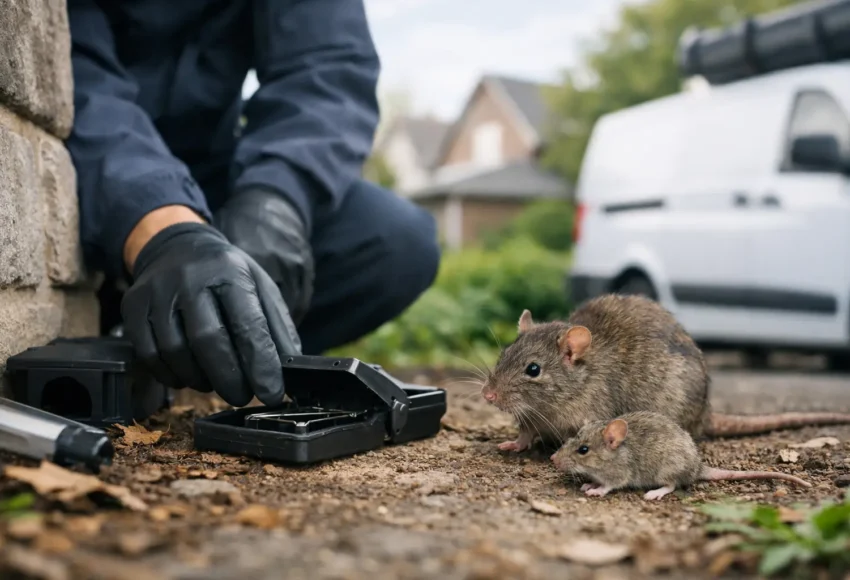
Rodent Control Bolton Ontario for Mice and Rats
A mouse scratching in the wall after dark is not something to wait out. Neither are droppings under the kitchen sink, chewed food packages in a stockroom, or a rat seen near a garage or dumpster. Rodents multiply quickly, contaminate surfaces, damage wiring, and can turn a small concern into an expensive cleanup. If you need rodent control Bolton Ontario residents can count on, the priority is to remove the active problem and stop rodents from getting back inside.
Mice and rats are resourceful. They look for warmth, food, water, and quiet nesting areas, especially as outdoor temperatures drop. A clean-looking home or business can still have a rodent problem if there is a small entry point, a hidden moisture source, or accessible food nearby. The good news is that effective control does not need to be complicated. It needs to be prompt, thorough, and matched to the property.
Rodent Control Bolton Ontario Homeowners Can Act On
The first sign is often subtle. You may hear movement in the ceiling or walls at night, find pellet-like droppings in cupboards, or notice a strange odor around an unused storage area. Mice can fit through openings about the size of a dime. Rats need more room, but they can chew, climb, and exploit weak spots around foundations, vents, garages, and utility lines.
Do not assume one sighting means there is only one rodent. A single mouse indoors can indicate a nearby nest or an open route that other mice are using. Rats are more cautious and may stay hidden longer, so visible damage, greasy rub marks along walls, and larger droppings deserve quick attention.
For homes, the highest-risk areas are usually kitchens, basements, attics, crawl spaces, laundry rooms, and garages. For rental properties and small businesses, check mechanical rooms, storage areas, loading entrances, break rooms, and spaces around waste bins. These locations offer rodents the cover and supplies they need to stay active.
Why Quick Removal Matters
Rodents are more than an unpleasant surprise. They can spread bacteria through urine and droppings, contaminate food and food-preparation surfaces, and trigger allergy or asthma concerns for some people. Their constant chewing can also damage insulation, drywall, stored belongings, and electrical wiring.
The longer rodents remain active, the more difficult the cleanup can become. Mice reproduce rapidly, while rats can create substantial damage before a property owner realizes where they are nesting. In a restaurant, retail space, office, or rental unit, a rodent issue can also affect customer confidence, tenant comfort, and daily operations.
There is no need to panic, but there is a reason to act. Fast treatment is usually simpler than trying to manage a growing infestation after weeks of activity.
What Effective Rodent Treatment Looks Like
A dependable rodent service should begin with an inspection, not a guess. The goal is to identify the rodent involved, locate likely access points, assess the level of activity, and determine where rodents are feeding or nesting. Treatment is different for a mouse problem in an attic than for rats moving between an exterior garbage area and a commercial building.
Professional control commonly combines strategic trapping or baiting with exclusion recommendations. The right approach depends on the property, the level of activity, and whether children, pets, tenants, or customers are present. Safety matters. Products and placement should be handled carefully, especially in kitchens, pet areas, and businesses where food is stored or prepared.
Removal alone is not enough if rodents can still enter through the same opening. A proper plan addresses the source of the problem. That may include sealing gaps around pipes and cables, repairing door sweeps, screening vents, closing foundation openings, and reducing outdoor conditions that attract rodents.
Discount Pest Control provides fast, discreet service for homeowners, property managers, and businesses that need the issue handled without unnecessary stress. An unmarked vehicle can be especially helpful when discretion matters at a rental property, workplace, or customer-facing location.
Steps to Take Before Help Arrives
You can make the property less inviting while arranging service. Store dry goods, pet food, and bird seed in sealed containers rather than bags or cardboard boxes. Clean crumbs from counters, sweep behind appliances when possible, and avoid leaving pet bowls out overnight. Garbage should be kept in containers with secure lids.
Look around the exterior as well. Firewood, clutter, dense vegetation, and overflowing bins close to the building give rodents cover. Moving these items away from walls can reduce hiding places, but avoid disturbing an area where you suspect an active nest. If rodents are in the attic, ceiling, or wall cavity, aggressive do-it-yourself work can drive them deeper into the structure.
When cleaning droppings, do not sweep or vacuum them dry. Ventilate the area first, wear gloves, and dampen the material with an appropriate disinfecting solution before carefully wiping it up. Wash hands thoroughly afterward. If droppings are widespread or located in insulation, a professional assessment is the safer choice.
When DIY Traps Are Not Enough
A few traps may catch an occasional mouse, particularly if you have identified the entry point and there is no established nest. But repeated sightings, fresh droppings, noises in multiple areas, or activity during the day usually point to a larger issue. In those situations, setting more traps without addressing access points can become an endless cycle.
DIY bait also has trade-offs. Incorrect placement may be ineffective, create risks for pets or children, or leave a rodent dying in an inaccessible wall or ceiling area. Commercial properties have additional concerns around sanitation standards, staff safety, and protecting inventory.
Professional help is particularly worthwhile when you have rats, an infestation in a multi-unit property, signs of chewed wiring, or rodents in a food-related business. The objective is not simply to catch what is visible. It is to find the travel routes, remove active rodents, and reduce the chance of repeat activity.
Keeping Rodents Out After Treatment
Long-term prevention comes down to access, food, water, and shelter. After active control, inspect the building seasonally and after repairs or severe weather. Doors should close tightly, window screens should be intact, and exterior vents should be protected without restricting proper airflow. Pay close attention to where plumbing, air conditioning lines, and utility cables enter the building.
Inside, keep storage organized and elevated where practical. Cardboard boxes in a basement or garage can become nesting material, especially if they are rarely moved. Address dripping pipes and standing water, since even a small moisture source can support rodent activity.
For landlords and business owners, consistency matters. Regular checks of garbage areas, utility rooms, and exterior doors help catch the first signs before they become a tenant complaint or operational problem. A quick response also shows people that their comfort and safety are being taken seriously.
If you have heard scratching, found droppings, or seen a mouse or rat in your property, trust that instinct and deal with it early. Prompt, discreet rodent control can protect your space now and make it much harder for unwanted guests to return.


Leave a Comment