
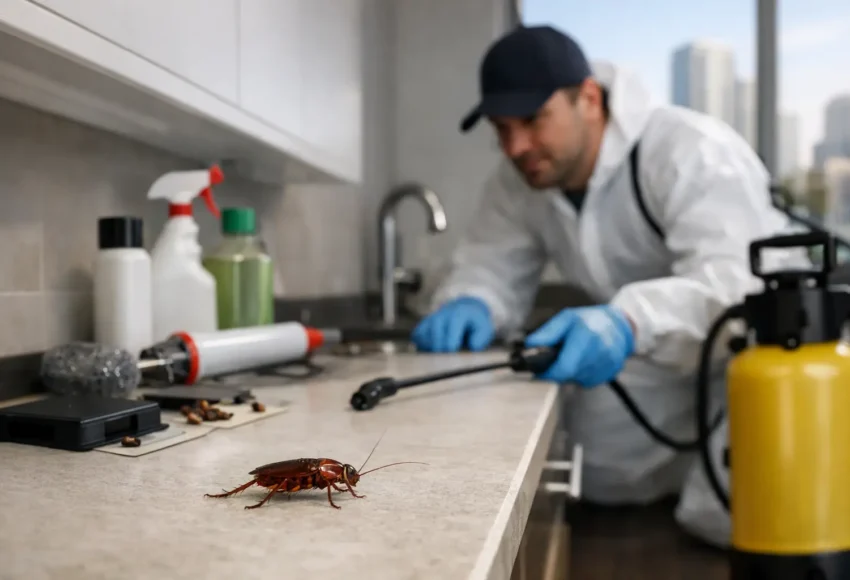
9 Best Ways to Stop Cockroaches for Good
Seeing one cockroach in the kitchen after dark can make a home, rental unit, or business feel instantly stressful. The best ways to stop cockroaches are not about one quick spray – they involve removing food and water, blocking hiding places, and acting early before a few roaches become a larger infestation.
Cockroaches are resourceful. They can squeeze into small cracks, feed on crumbs and grease you may not see, and hide near heat and moisture. A practical plan can make your space far less attractive to them. If activity continues, professional treatment is usually the fastest way to break the breeding cycle and protect your family, tenants, customers, and pets.
1. Remove food sources every day
Cockroaches do not need an open bag of food to survive. A few crumbs under the toaster, grease around the stove, pet food left overnight, or residue in recycling can be enough. Start with the areas where food is prepared, eaten, or stored.
Wipe counters and stovetops after meals, sweep or vacuum floors regularly, and clean under small appliances where grease tends to build up. Store cereal, flour, snacks, and pet food in sealed containers rather than cardboard boxes or loosely closed bags. Take garbage out frequently and rinse bottles, cans, and food containers before placing them in recycling.
For restaurants, offices, and rental common areas, cleaning schedules matter even more. Roaches can move between units or rooms, so one neglected break area or garbage room can create an ongoing source of activity.
2. Cut off water and moisture
Water is often the reason cockroaches stay. They commonly hide around kitchen sinks, bathroom plumbing, refrigerators, dishwashers, floor drains, and laundry areas because these spots offer moisture and warmth.
Check for dripping faucets, leaking pipes, loose drain connections, and condensation beneath appliances. Dry the sink before bed when possible, avoid leaving standing water in pet bowls overnight, and repair leaks promptly. In damp basements or utility rooms, a dehumidifier can help reduce the conditions cockroaches prefer.
This step is especially important when bait is being used. When roaches have easy access to water and food elsewhere, they are less likely to feed on bait placed for control.
3. Seal the gaps cockroaches use
Cockroaches can travel through gaps around pipes, baseboards, cabinets, vents, and utility lines. In apartments, condos, and commercial buildings, those openings may connect one unit to another. Sealing does not eliminate an established infestation by itself, but it makes a major difference in preventing entry and limiting movement.
Use appropriate caulk around cracks in walls, gaps at baseboards, and openings where plumbing enters the wall. Repair damaged weather stripping around doors and make sure window screens fit properly. Look closely inside kitchen and bathroom cabinets, especially under sinks and along the back edges.
Do not seal an opening if you suspect it is tied to an active plumbing or ventilation issue that needs repair first. Address the cause, then close the gap properly.
4. Reduce clutter near kitchens and bathrooms
Clutter gives cockroaches places to hide, breed, and avoid treatment. Cardboard boxes, paper bags, stacked newspapers, crowded storage areas, and unused items under sinks are common hiding spots. Roaches are drawn to tight, dark spaces, so reducing clutter makes inspection and control much easier.
Focus first on the kitchen, bathroom, laundry room, utility area, and any spot where you have seen droppings or live roaches. Replace cardboard storage with sealed plastic bins when possible. Keep stored items off the floor and leave enough space around walls and appliances to clean and inspect.
You do not need a perfectly empty home. The goal is to remove the sheltered spaces that let roaches stay hidden and multiply unnoticed.
5. Use baits carefully instead of relying on sprays
For many indoor cockroach problems, gel baits and enclosed bait stations are more useful than spraying visible roaches. Roaches feed on bait and may carry it back to harborage areas, reaching insects you cannot see. Sprays often kill only the roaches exposed at that moment and can push others deeper into wall voids or cabinets.
Place bait only according to the product label, in small placements near activity areas such as cabinet hinges, under sinks, behind appliances, and near cracks. Keep all pest control products away from children and pets. Never apply products on food-preparation surfaces unless the label specifically permits it.
Avoid combining bait with strong-smelling cleaners or insecticide sprays in the same exact area. Repellent products can discourage roaches from approaching the bait. If you are unsure what is safe or effective for your situation, professional cockroach control is the better choice.
6. Monitor activity with sticky traps
Sticky traps do not solve an infestation alone, but they are valuable for finding where the problem is strongest. Place them along walls, under sinks, behind the refrigerator, near the stove, and in bathrooms. Roaches tend to travel along edges rather than across open floors.
Check traps weekly and note where catches are highest. This helps identify whether activity is centered in the kitchen, bathroom, basement, or another area. It also helps you tell whether your cleaning and treatment efforts are working.
A trap that suddenly catches many small roaches may indicate breeding nearby. That is a good reason to arrange professional service before the population spreads further.
7. Be careful with secondhand items and deliveries
Cockroaches can enter on used furniture, appliances, moving boxes, grocery bags, and deliveries. German cockroaches, a common indoor species, are particularly good at hitchhiking into new spaces. Inspect secondhand items before bringing them inside, especially kitchen appliances, furniture with drawers, and boxes stored in garages or basements.
If you are moving, unpack boxes quickly instead of keeping them stacked for weeks. Break down cardboard and remove it from the property. For multi-unit properties, prompt reporting is important because a delay can allow cockroaches to move into neighboring units.
8. Know when DIY control is not enough
A single roach does not always mean a major infestation, but repeated sightings, daytime activity, droppings, egg cases, or a musty odor are signs that there may be a larger hidden population. Daytime sightings are especially concerning because cockroaches usually stay hidden when numbers are low.
DIY methods can help with prevention and small, early problems. They become less reliable when roaches are breeding behind walls, beneath cabinets, inside appliances, or across several units. Overusing store-bought sprays can also make the situation harder by scattering roaches without reaching their nesting areas.
Homeowners, landlords, and business owners in York Region who need quick, discreet support can contact Discount Pest Control for a professional inspection and treatment plan. Service is designed to address the active infestation while giving you clear steps to reduce the chance of roaches returning.
9. Prevent a return after treatment
The work does not end when you stop seeing roaches. Continue cleaning food residue, managing moisture, sealing gaps, and checking monitoring traps for several weeks. Follow any preparation instructions provided before and after treatment, since access to hiding areas is often necessary for effective control.
In rental buildings and commercial spaces, prevention works best when everyone follows the same basic practices. Property managers may need to coordinate repairs, garbage handling, inspections, and treatment across affected areas. Treating only one room or unit while ignoring a nearby source can lead to repeat activity.
Cockroaches are upsetting, but they are manageable with fast action and the right approach. Keep food and water unavailable, watch for early signs, and get professional help when the problem is persistent – the sooner you act, the easier it is to regain a clean, comfortable space.


Leave a Comment