
Are Pest Treatments Safe Indoors for Families?
A mouse in the kitchen, cockroaches near a tenant’s unit, or bed bugs in a bedroom can make a home feel stressful fast. The first question many people ask is, are pest treatments safe indoors when children, pets, and everyday life are happening under the same roof? In most cases, yes – when the treatment is selected for the pest, applied correctly, and followed by the right preparation and re-entry instructions.
The goal of professional pest control is not to fill a home with chemicals. It is to target where pests travel, nest, feed, and hide while limiting unnecessary exposure in the rest of the property. A safe plan looks different for mice than it does for bed bugs, ants, cockroaches, or wasps. That is why a quick inspection and clear instructions matter.
Are Pest Treatments Safe Indoors When Applied Professionally?
Indoor pest treatments can be used safely, but safety is never a one-size-fits-all promise. The product, treatment method, location of the infestation, age of children in the home, presence of pets, and health concerns all affect the plan. A trained technician should explain what will be used, where it will be placed, what areas to avoid, and when it is safe to return to normal use of the space.
For many common pests, the most effective treatment is a targeted application rather than a broad spray. Gel baits for cockroaches and ants may be placed in cracks, cabinet voids, or behind appliances where children and pets cannot reach them. Rodent bait stations are secured and positioned in controlled areas. Traps can be used in strategic locations. Bed bug service may involve focused treatment of bed frames, furniture seams, and other harborages, along with detailed preparation.
This targeted approach helps reduce the amount of product needed while addressing the source of the problem. It also prevents a common mistake: using too much store-bought product in panic. Overapplying foggers, aerosols, or powders can create avoidable exposure and may push pests deeper into walls, furniture, or neighboring units.
What Makes an Indoor Treatment Safer?
Safe indoor pest control starts before any product is applied. A professional should identify the pest first. Treating for ants when the real issue is cockroaches, or putting out rodent poison without locating entry points, wastes time and can add unnecessary risk.
The safest effective plan usually combines several measures. This is often called integrated pest management, but the idea is simple: remove what attracts the pest, block access, monitor activity, and use treatment only where it is needed. For example, mice control may include sealing gaps around pipes, reducing food access, setting traps, and placing secure bait stations only when appropriate. A cockroach treatment may include sanitation recommendations, crack-and-crevice treatment, and bait placement rather than spraying every surface.
Product placement matters just as much as product choice. Treatments should not be applied to food-preparation surfaces, children’s toys, pet bedding, or areas where someone can easily touch or ingest them. If a treatment requires residents to leave temporarily, that instruction should be taken seriously. Re-entry times are based on the specific treatment and application method, not guesswork.
Eco-friendly options can also be part of the plan. However, “eco-friendly” does not mean a product can be handled casually. Natural or lower-impact products still need correct application, storage, and re-entry guidance. The best option is the one that controls the infestation effectively with the least practical impact on your household, pets, tenants, or staff.
Children, Pets, and Sensitive Household Members
Families with crawling babies, curious dogs, cats, birds, fish, or people with respiratory sensitivities should tell the technician before service begins. That information helps shape the treatment plan.
Pets should generally be removed from treatment areas until the technician confirms it is safe for them to return. Food bowls, water dishes, toys, cages, and pet bedding may need to be covered, moved, or washed after treatment depending on the service. Aquarium owners should mention fish tanks in advance, since aquatic pets can be especially sensitive to airborne products.
For children, the priority is keeping them away from treated areas until the stated re-entry time has passed. Do not let children touch bait stations, traps, or treatment locations. If you have a baby who spends time on the floor, ask whether floors need to be cleaned after the waiting period and which rooms are safe to use first.
People with asthma, severe allergies, chemical sensitivities, or immune concerns may need extra precautions. In some cases, a lower-impact approach, more trapping, exclusion work, or a treatment scheduled while the household is away may be the better choice. Be direct about these concerns. Good pest control is tailored service, not a rushed, identical treatment in every home.
Safety Depends on the Pest Being Treated
Different pests call for different methods, and that changes what indoor safety looks like.
Rodents: Mice and Rats
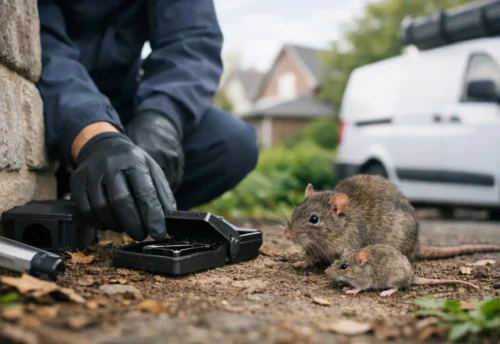
Mice and rats bring their own health concerns through droppings, urine, contamination, and damage to wiring or insulation. A rodent plan often focuses on trapping, entry-point exclusion, and secure tamper-resistant bait stations. Loose poison should never be left where children or pets can access it.
There is also a trade-off with rodent bait indoors. It may be useful in certain situations, but trapping and exclusion are often preferred inside living spaces because they allow for direct monitoring and removal. Your technician should explain why a particular method is recommended and what follow-up is needed.
Bed Bugs
Bed bug treatments can be safe indoors when preparation and instructions are followed carefully. Residents may need to bag clothing, clear access around beds, avoid moving infested belongings into other rooms, and stay out of treated spaces for a specified time. Throwing away furniture or spraying random products around the bedroom can spread the problem or make professional treatment harder.
Bed bugs are persistent, so follow-up may be necessary. That is not a sign that the service was unsafe or unsuccessful. Eggs, missed hiding spots, and reintroduction from untreated belongings can all affect results.
Cockroaches and Ants
For cockroaches and ants, bait-based treatments are often an effective indoor option because they are placed in hidden travel routes. Keeping counters clean, repairing leaks, storing food in sealed containers, and emptying trash regularly gives the treatment a better chance to work.
Do not wipe away baits or spray insecticide over them unless you have been told to do so. Those actions can reduce effectiveness and lead to repeated treatment attempts. If you live in an apartment or manage a rental property, nearby units may also need inspection because these pests can move through shared walls, plumbing lines, and utility spaces.
How to Prepare Your Home Without Creating More Risk
Your technician should provide instructions based on the exact service, but a few steps are common. Put food, dishes, toothbrushes, and food-preparation items away from treatment areas. Clear clutter near active pest locations so cracks, baseboards, utility areas, and furniture can be inspected. Keep pets and people out of designated rooms during service.
After treatment, follow the instructions you received instead of cleaning immediately out of concern. Some applications need time to remain in place, especially around cracks and hidden pest routes. Other areas may need wiping before normal use. If anything is unclear, ask before cleaning, sleeping in a room, or letting pets back inside.
You should also avoid mixing professional treatment with DIY products. Combining sprays, foggers, essential oils, powders, and bait can create unwanted exposure and interfere with the treatment strategy. Let your pest control provider know about anything you have already used, including products applied days or weeks earlier.
When to Call for Help Right Away
Some infestations should not wait. Active rodents in a kitchen or business, bed bugs in sleeping areas, cockroaches in a multi-unit property, or a wasp nest near an entryway can become more difficult to control when delayed. Fast action can mean a smaller treatment area, fewer visits, and less disruption.
For homeowners, property managers, and businesses in York Region communities such as Georgina, Keswick, Sutton, Bolton, and Caledon, discreet professional service can also protect privacy while the issue is handled. An unmarked vehicle and clear communication are especially helpful when tenants, customers, or neighbors are nearby.
Discount Pest Control can assess the pest, explain the safest practical treatment options, and provide straightforward instructions for your household or property. Don’t wait until a small pest problem takes over more of your space. The right treatment should leave you with a safer, more comfortable home – and a clear plan to keep pests from coming back.

Pingback: Hornet Nest Removal Service for Fast Safe Help - Pest Control Ontario Exterminators