
Heat Treatment Versus Chemical Extermination
A bed bug found on a mattress seam can turn a normal evening into a stressful scramble. When comparing heat treatment versus chemical extermination, most people want one clear answer: which option will get the bugs out fast without putting their family, pets, tenants, or business at risk? The right choice depends on the size of the infestation, where the bugs are hiding, how quickly the space must be used again, and whether follow-up treatment is practical.
For many homes, rental units, hotels, and small businesses, bed bugs are not a problem to wait on. They multiply quickly, spread through belongings, and can cause sleepless nights long before an infestation becomes obvious. A professional inspection is the best starting point because effective treatment depends on finding the full scope of the problem, not just treating the bugs that are easy to see.
Heat Treatment Versus Chemical Extermination: The Main Difference
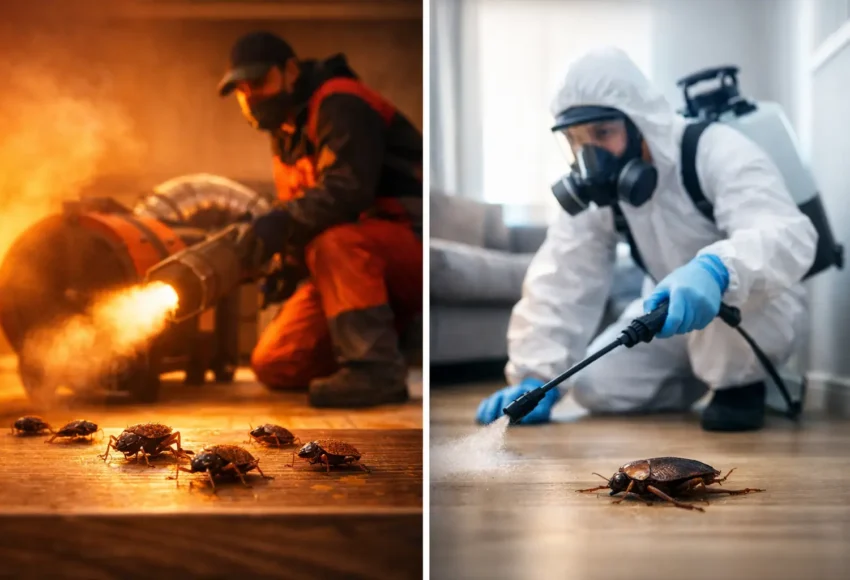
Heat treatment uses specialized equipment to raise the temperature of an infested room or structure to a level that kills bed bugs at all life stages. That includes adult bugs, young bugs, and eggs, which are often the hardest part of an infestation to eliminate. Technicians place temperature sensors throughout the treatment area and carefully circulate heated air so that furniture, cracks, baseboards, and other hiding areas reach lethal temperatures.
Chemical extermination uses professional pest control products applied to targeted areas where bed bugs travel and hide. Depending on the treatment plan, this may include cracks around bed frames, baseboards, upholstered furniture, wall voids, and nearby rooms. Modern professional treatments are selected and applied with safety, label directions, and the property’s specific conditions in mind.
The biggest practical difference is speed. A properly completed heat treatment can often address an active infestation in one service day. Chemical treatment commonly requires multiple visits because products need time to work and newly hatched bugs may need to be treated during a follow-up appointment.
Neither approach should be treated as a do-it-yourself shortcut. Store-bought sprays, foggers, and random online remedies can scatter bed bugs into new hiding places, expose people and pets to unnecessary chemicals, and delay proper control.
When Heat Treatment Is the Better Choice
Heat is often the strongest option when fast results matter and the infestation may be widespread. It is especially useful for heavily infested bedrooms, multi-unit rental situations, furnished units, and situations where bed bugs may be hiding deep inside furniture or cluttered areas.
Because heat reaches beyond the surfaces that a spray can touch, it can kill bed bugs concealed in mattress seams, box springs, furniture joints, electrical areas, curtains, and small cracks. It is also effective against eggs when proper temperatures are achieved and maintained throughout the treatment zone. That is a major advantage because eggs can survive some incomplete treatments and restart the problem days later.
Heat may be a good fit when a homeowner needs quick relief, a landlord needs to prepare a unit for occupancy, or a business cannot tolerate prolonged disruption. A treatment plan can often allow the area to be used again sooner than a multi-visit chemical program, although technicians will provide clear instructions on re-entry and preparation.
There are trade-offs. Heat treatment requires more preparation than many people expect. Items that can be damaged by high temperatures must be removed or protected. This can include candles, aerosols, certain cosmetics, medications, houseplants, vinyl items, and heat-sensitive electronics. Clutter also needs to be reduced so heated air can circulate effectively.
Heat can also cost more upfront because it requires specialized equipment, trained technicians, monitoring, and careful setup. Still, for an infestation that needs immediate, thorough action, the higher initial cost can be worthwhile compared with repeated treatments and ongoing disruption.
What makes heat treatment successful
Heat is not simply turning up a thermostat or placing a portable heater in a bedroom. Professional treatment requires controlled temperatures, monitored sensors, air movement, and careful attention to cold spots. A poorly performed heat job can leave protected areas untreated, allowing bed bugs to survive.
Preparation matters just as much. Residents may need to bag laundry, clear access around beds and walls, and follow instructions about items that cannot remain in the treatment area. These steps are inconvenient, but they help make one intensive service far more effective.
When Chemical Extermination Makes More Sense
Chemical extermination is often the practical choice for smaller or localized infestations, properties with items that cannot be exposed to heat, and situations where treatment can be completed in stages. It can also be a cost-conscious option for customers who need professional help but cannot accommodate a full heat treatment.
A skilled technician does not simply spray the center of a room. Bed bugs prefer narrow, protected spaces close to where people rest. Targeted chemical treatment focuses on those travel routes and hiding locations while reducing unnecessary product use. This approach can be effective when paired with detailed inspection, resident cooperation, and scheduled follow-up visits.
Chemical treatment has an important residual benefit. Certain products continue working after application, helping control bugs that cross treated areas after they emerge from hiding. That can be useful in apartments, rooming houses, and other buildings where there is a risk of bed bugs moving between units.
The limitation is that chemical treatment usually takes patience. Bed bugs may remain hidden until a treatment has dried, and eggs may hatch after the first visit. A second or third service may be needed to break the life cycle. Skipping follow-up appointments is one of the most common reasons an infestation appears to return.
People also need to follow re-entry instructions carefully. Professional products can be used safely when applied correctly, but treated areas should not be disturbed, cleaned prematurely, or accessed before the technician says it is safe. Families with children, pets, allergies, or sensitive health concerns should discuss those needs before treatment so the plan can be adjusted appropriately.
Is a Combined Bed Bug Treatment Better?
Sometimes the best answer is not heat or chemicals alone. A combined approach can provide fast knockdown through heat while using targeted residual treatment in specific areas to help guard against surviving bugs or reintroduction. This may be especially helpful in multi-unit properties, where bed bugs can travel through hallways, shared walls, utility openings, and neighboring units.
A combination plan is also useful when the main sleeping area needs heat treatment but adjacent rooms, storage spaces, or building entry points require a different strategy. The goal is not to use more treatment than necessary. The goal is to use the right method in the right place.
For property managers, communication is part of control. Tenants need clear preparation instructions, practical timelines, and reassurance that reporting bed bugs early is the responsible thing to do. Delays and embarrassment give an infestation more time to spread.
Questions to Ask Before Choosing a Treatment
Before approving a bed bug service, ask whether the infestation has been inspected thoroughly, what preparation is required, how many visits are included, and what happens if activity continues after treatment. You should also ask how the company handles pets, children, sensitive belongings, and neighboring units.
Price matters, but the lowest quote is not always the lowest overall cost. A treatment that misses eggs, skips follow-up, or does not address the actual hiding areas can lead to more lost time, more laundry, more replacement costs, and more stress. Clear pricing and a written treatment plan make it easier to compare options fairly.
If discretion is a concern, ask how the service is carried out. Many customers do not want neighbors, tenants, or clients to know why a pest control vehicle is at the property. Discount Pest Control understands that privacy matters and can provide professional, discreet support when bed bugs need immediate attention.
Preventing Bed Bugs From Coming Back
Treatment removes the active problem, but prevention lowers the chance of another one. Inspect luggage after travel, avoid bringing used mattresses or upholstered furniture indoors without checking them carefully, and wash and dry secondhand clothing before storing it. In rentals and shared buildings, report suspicious bites, shed skins, or small dark spots near beds early rather than waiting for the issue to grow.
After treatment, keep beds slightly separated from walls where possible and reduce clutter around sleeping areas. Mattress and box spring encasements can make inspections easier and remove some common hiding spots. If a technician provides post-treatment instructions, follow them closely, especially regarding vacuuming, laundering, and when to move furniture back into place.
A fast decision does not have to be a rushed one. The best bed bug treatment is the one that fits your property, protects the people who use it, and is carried out thoroughly enough to give you real peace of mind.

Leave a Comment