
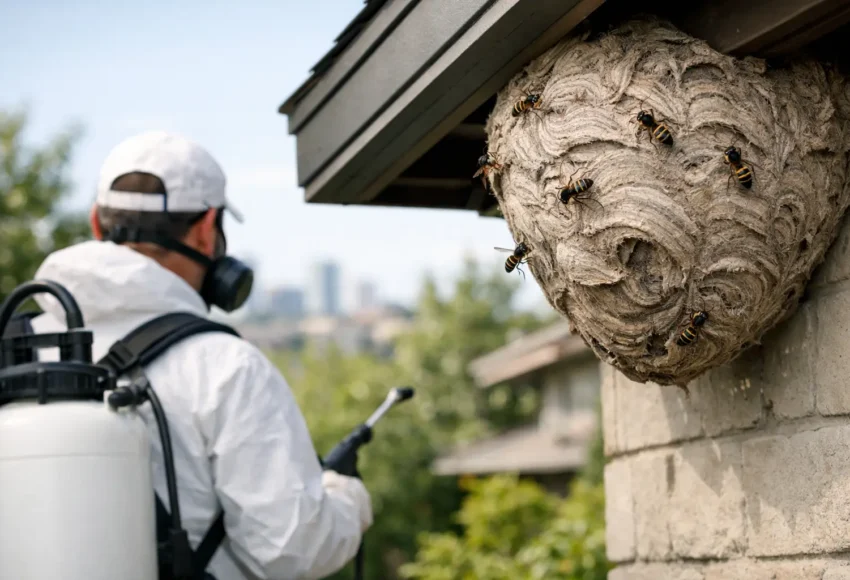
Hornets Nest Removal Near Me: What to Do Now
A nest under the eaves, inside a shed wall, or beside a busy doorway can change how you use your own property overnight. If you are searching for hornets nest removal near me, the safest next step is usually to keep your distance and arrange professional help before the nest gets larger or someone gets stung.live in york region Ontario Sutton Ontario Bolton Ontario Canada more
Hornets and other large social wasps are highly protective of their nests. A single insect may not seem threatening, but disturbing a colony can cause multiple insects to defend the area at once. This is not a job for a broom, a can of spray, or a late-night attempt to knock down the nest. Fast action matters, but safe action matters more.
When a Hornets Nest Needs Professional Removal
Not every flying insect around your yard requires treatment. Pollinators such as bees play an important role, and a solitary wasp may simply be passing through. The concern rises when you see repeated activity entering and leaving one opening, or when a paper-like nest is visible on your home, garage, deck, tree, fence, or business property.
Professional removal is especially recommended when the nest is close to people, pets, entrances, play areas, patios, garbage bins, or outdoor workspaces. A nest located inside a wall, attic, soffit, chimney area, or crawl space also needs careful handling. The visible opening may be only part of the problem, and spraying it without a plan can drive insects deeper into the structure.
You should treat the situation as urgent if anyone in the home has a known allergy to stings, if the nest is near a school-aged child or senior, or if hornets are becoming aggressive around a door or walkway. Property managers and business owners should move quickly as well. A nest near staff, tenants, customers, deliveries, or outdoor seating creates an avoidable safety and liability concern.
Signs You May Have Hornets, Not Just a Few Wasps
Many Ontario homeowners use the word hornet for any large wasp. The exact species can vary, but the practical concern is similar: large social wasps can sting repeatedly and will defend an active nest. You may notice larger black-and-white or yellow-and-black insects circling one area, particularly during warm afternoons.
Look for a steady flight path. If insects repeatedly disappear into a gap near siding, rooflines, vents, or a deck, there may be a concealed nest. Visible nests are often gray or tan and made from a papery material. They can range from the size of a golf ball early in the season to a much larger enclosed structure by late summer.
Activity often becomes more noticeable as the colony grows. What looks manageable in June can become a serious issue by August or September. Waiting does not always mean the nest will move on. It can mean more insects, more defensive behavior, and fewer safe ways to use the affected area.
What Not to Do Around an Active Nest
The urge to handle the problem yourself is understandable, especially when the nest is visible. However, most painful and expensive outcomes happen when someone gets too close, blocks the nest entrance, or uses an ineffective product that agitates the colony.
Do not hit, shake, hose down, burn, or cover the nest. Avoid sealing a wall opening while insects are still active, since they may find another way into your home or business. Do not stand on a ladder near the nest. A sting, sudden swarm, or loss of balance can turn a pest problem into a medical emergency.
Store-bought sprays may appear to work on a few insects, but they are not always effective for a larger or hidden nest. They also require close contact and can leave the colony alive inside a wall or roof void. If the nest is in a difficult location, the safest choice is to leave it alone until a trained technician can assess it.
Until help arrives, keep children and pets away from the area. Close nearby windows if insects are entering through screens or cracks. If possible, use a different entrance and let neighbors, tenants, or staff know which area to avoid. These simple precautions reduce the chance of an accidental disturbance.
What Professional Hornets Nest Removal Near Me Should Include
A proper service should begin with an inspection of the nest location, insect activity, access points, and risk to people on the property. The technician should determine whether the nest is exposed or concealed and choose a treatment method that addresses the colony without creating unnecessary risk.
For an exposed nest, treatment may involve applying a targeted product and removing the nest once it is no longer active. For nests in walls, soffits, or other enclosed areas, the approach is different. The goal is to treat the colony at the active entry point and avoid forcing hornets into living spaces. Depending on the location, physical removal of the entire nest may not always be necessary or appropriate right away.
The service should also include practical advice on what to expect afterward. Some activity may remain briefly as returning insects encounter the treated area. That does not automatically mean treatment failed. A reliable provider explains the expected timeline, gives you clear safety instructions, and lets you know when to contact them if activity continues.
For homeowners who want discreet service, unmarked vehicles can make a meaningful difference. This is often helpful for rental properties, storefronts, and households that do not want unwanted attention from neighbors. Discount Pest Control provides fast, professional pest support with safety, affordability, and discretion in mind.
Why Nest Location Changes the Removal Plan
A nest hanging from a tree branch is not handled the same way as one behind vinyl siding. Accessibility, height, species activity, nest size, and proximity to people all affect the treatment plan. An accessible nest in a quiet corner of a yard may be simpler to address than a small hidden nest directly above a front door.
Wall nests require extra care because sealing the opening too soon can create a new problem indoors. Nests near electrical fixtures, HVAC equipment, chimneys, or high rooflines also require the right equipment and experience. The lowest-cost option is not always the best value if it leaves behind an active colony or puts someone at risk.
For commercial properties, timing can matter just as much as location. Treatment may need to be scheduled around customer traffic, staff shifts, deliveries, or tenant access. A responsive pest control company can help reduce disruption while addressing the immediate hazard.
How to Reduce the Chance of Another Nest
You cannot remove every wasp from an outdoor property, but you can make common nesting areas less attractive. In early spring, inspect eaves, sheds, deck undersides, fence posts, play structures, and gaps around siding. Small starter nests are easier and safer to address before they become active colonies.
Keep garbage and recycling containers closed, clean up spilled drinks and food outdoors, and repair damaged screens or exterior gaps. Trim back branches that touch the roof or create sheltered access near upper walls. If hornets have used the same area before, a professional can also identify likely entry points that deserve attention.
Do not assume that a quiet nest is inactive. Cooler weather and certain times of day can make activity less visible, while insects may still be inside. Watch from a safe distance rather than testing the nest yourself.
When to Call for Immediate Help
Call for prompt assistance if hornets are entering the home, someone has been stung multiple times, the nest is near a primary entrance, or aggressive insects are preventing normal use of the property. If a person has trouble breathing, swelling of the face or throat, dizziness, or widespread hives after a sting, seek emergency medical care immediately.
For a nest that is not creating a medical emergency but is still active, do not wait for a convenient weekend project. Getting professional help early can protect your family, tenants, customers, pets, and property while keeping a small problem from becoming a larger one. Keep the area clear, avoid disturbing the nest, and let an experienced technician handle the risk safely.


Leave a Comment