
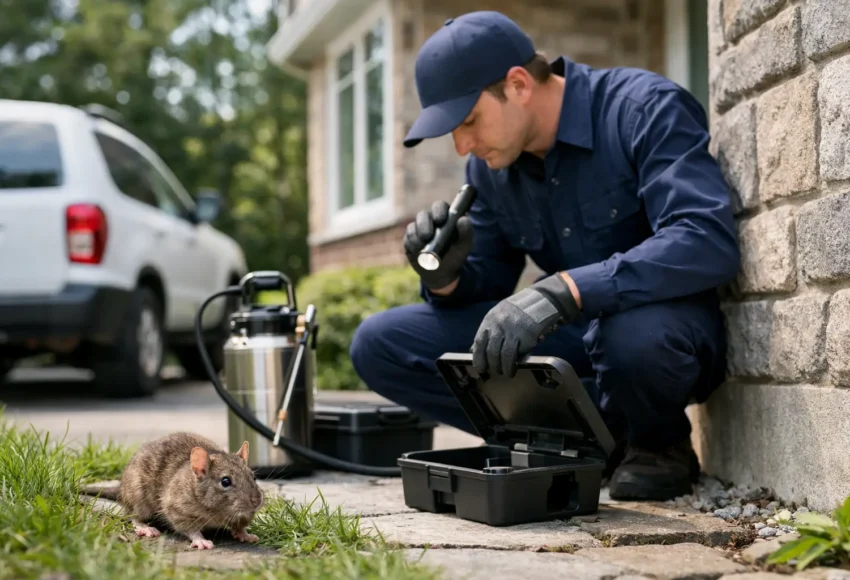
Rodent Control Caledon Homeowners Trust
You usually do not see the problem first. You hear it. Scratching in the walls after dark, tiny sounds above the ceiling, a rustle behind storage boxes in the basement. That is often how rodent control Caledon calls begin – not with a dramatic infestation, but with one small sign that quickly turns into a bigger one.
If you are dealing with mice or rats in your home, rental unit, shop, or office, speed matters. Rodents do not stay in one corner for long. They move through insulation, behind appliances, inside wall cavities, and along utility lines. What starts as a few droppings in the pantry can turn into damaged wiring, contaminated food, and repeated sightings within days.
Why rodent problems get worse fast
Rodents are built to stay hidden and multiply quickly. A property can seem quiet during the day and still have active movement at night. Mice especially can squeeze through openings that look too small to matter, while rats take advantage of gaps around doors, vents, foundations, and pipes.
This is one reason DIY treatments often fall short. Store-bought traps may catch one or two rodents, but they rarely deal with the full problem if entry points stay open. Poison can create a different issue if rodents die inside walls or inaccessible spaces. The result is often a short-term improvement followed by more activity a week or two later.
For property owners in Caledon, season also plays a role. As temperatures drop, rodents look for warmth, food, and shelter. Homes, garages, sheds, restaurants, and storage areas all become attractive. Even clean properties can have an issue if there is easy access.
Signs you need rodent control in Caledon
Some signs are obvious. Others are easy to dismiss until the problem is established. The most common red flags include droppings under sinks, in cupboards, or near food storage, scratching sounds in walls or ceilings, greasy rub marks along baseboards, shredded nesting material, and a strong musky odor in enclosed areas.
You may also notice less direct clues. Pets staring at one wall, food packaging with small chew marks, insulation disturbed in the attic, or wiring damage around utility rooms can all point to rodent activity. In commercial spaces, staff may spot droppings near inventory, break rooms, or back entrances before customers ever notice anything.
The key point is simple: if you have seen one sign more than once, it is worth acting on it now. Waiting usually gives rodents more time to spread.
What makes professional rodent control Caledon properties need different from a quick fix
Real rodent control is not just about removing what is already inside. It is about finding how they got in, how active the infestation is, and what conditions are helping it continue. Without that, treatment can become a cycle of repeat sightings and temporary relief.
A professional approach usually starts with inspection. That means checking likely entry points, identifying whether you are dealing with mice, rats, or both, and looking at high-risk areas such as attics, basements, crawl spaces, garages, kitchens, and utility access points. The right treatment depends on the layout of the property and the severity of the issue.
There is also a practical trade-off to consider. Some situations need immediate population reduction first because activity is high. Others need exclusion work just as urgently because the main issue is access. The best results come from addressing both, not choosing one and hoping it is enough.
The risks of leaving rodents alone
Most people call because they are frustrated or unsettled, but the real concern goes beyond the noise. Rodents can create health and property risks that get expensive fast.
They contaminate food and surfaces with droppings and urine. They chew constantly, which can damage drywall, wood, insulation, and electrical wiring. In rental properties, a rodent issue can become a tenant complaint and a reputation problem. In commercial spaces, especially where food is handled or stored, the stakes are even higher.
There is also the hidden damage factor. You might clean up the visible mess in one cupboard and still have nesting in the attic or behind the furnace room wall. By the time the smell or movement becomes obvious, the infestation may be much larger than it first appeared.
What homeowners and businesses should do right away
If you suspect rodents, start by reducing easy access to food and shelter. Store dry goods in sealed containers, clean crumbs and spills promptly, and avoid leaving pet food out overnight. Remove clutter where possible, especially in basements, storage rooms, and garages.
At the same time, do not assume housekeeping alone will solve it. A clean property can still have rodents if there is an opening large enough to enter. Check around door sweeps, vents, utility lines, foundation gaps, and garage doors. If you can see daylight or feel a draft, that area deserves attention.
It is also smart to avoid disturbing nesting areas without a plan. Sweeping droppings dry or tearing into wall spaces can spread contamination and make tracking harder. If there is active rodent movement, the safer path is to have the issue assessed and treated properly.
How a local rodent control service helps
A local company understands the kind of properties common in the area and how seasonal changes affect pest activity. That matters more than people think. Detached homes, townhomes, older buildings, barns, detached garages, and mixed-use properties all create different access points and treatment needs.
What most customers want is straightforward: fast response, clear answers, safe treatment options, and results that last. That is why professional service should feel practical, not complicated. You need to know where the problem is, what is being done about it, and what steps will help prevent it from coming back.
Discreet service matters too. Many homeowners do not want attention from neighbors, and many businesses do not want customers or tenants seeing pest control activity. Unmarked vehicles and a professional, low-profile approach make a real difference when privacy is part of the concern.
When the issue is mice versus rats
Mice and rats are both rodents, but they do not always behave the same way. Mice are often more common inside homes and can settle into wall voids, attics, kitchens, and storage areas with very little space. Rats usually need slightly larger entry points and are often associated with heavier gnawing, larger droppings, and more obvious structural access issues.
That distinction matters because treatment strategy can change. Trap placement, inspection focus, exclusion priorities, and sanitation recommendations all depend on what type of rodent is present. If the wrong assumptions are made early, you can lose time while the infestation continues.
For properties dealing with ongoing mice or rat activity, professional mice and rodent removal is often the fastest way to stop the cycle and get a clear plan for long-term prevention.
Choosing rodent control Caledon residents can feel good about
Price matters, but so does value. The cheapest option is not always the one that resolves the issue, and the most expensive option is not always necessary. What you want is a service that responds quickly, explains the treatment clearly, uses safe methods around people and pets where appropriate, and does not leave you guessing about next steps.
It also helps to choose a provider that handles more than one type of pest issue. Rodent problems sometimes overlap with other concerns, especially in garages, sheds, kitchens, or commercial spaces. If activity points to a broader pest issue, it is easier when one team can assess the full situation without delay.
For local property owners who need practical help without the runaround, Discount Pest Control focuses on fast, affordable, and discreet service with treatment options designed for real homes and businesses.
Act early and save yourself the bigger repair bill
Rodent problems rarely stay small on their own. If you are hearing scratching, finding droppings, or noticing signs of chewing, the best time to deal with it is now – before walls need repair, food gets contaminated, or the infestation spreads further through the property.
A quick response is not overreacting. It is the most cost-effective move. When rodents are stopped early, cleanup is simpler, damage is lower, and prevention is easier to manage. If something in your home or business feels off, trust that instinct and get it checked before a small warning sign becomes a much bigger headache.


Pingback: Mice Removal That Stops the Problem at Its Source - Discount Pest Control