
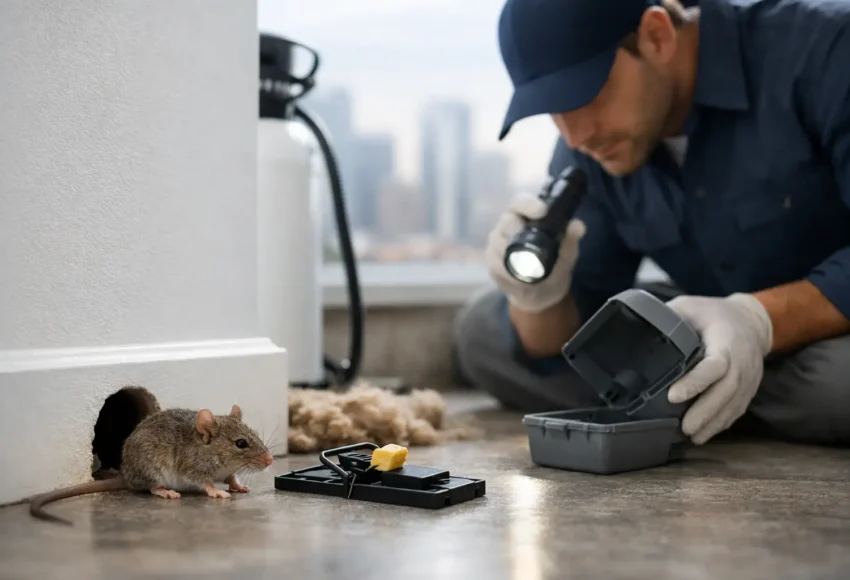
Mice Removal That Stops the Problem at Its Source
A mouse sighting is rarely just a mouse sighting. If you have seen one run along a wall, found droppings in a cabinet, or heard scratching after dark, mice removal should be handled quickly. Mice reproduce fast, contaminate food and surfaces, and can turn a small concern into a larger infestation before you realize how many are inside.
The good news is that a mouse problem can be solved. The key is treating the full cause: removing active mice, finding how they got in, and closing the conditions that make your home or business attractive to them. A few store-bought traps may catch a mouse or two, but they do not always address nesting areas, hidden entry points, or a growing population behind walls.
Signs You Need Mice Removal Now
Mice are quiet and mostly active at night, so the first warning is often evidence rather than a direct sighting. Small, dark droppings around pantry shelves, under sinks, behind appliances, or near pet food are a common sign. Fresh droppings look darker and may have a slightly soft appearance, while older ones become dry and gray.
You may also hear light scratching, chewing, or scurrying in ceilings, walls, basements, and attics. Mice can chew cardboard, insulation, food packaging, and wiring. A persistent musty odor, shredded paper or fabric used for nesting, and small greasy rub marks near baseboards are other reasons to take action.
For property managers and business owners, a single mouse can be especially disruptive. Restaurants, offices, retail spaces, storage areas, and rental units all need a fast response to protect food, inventory, tenant comfort, and reputation. Waiting for visible activity to increase is usually the more expensive choice.
Why Mice Get Inside
Mice do not need much room to enter a building. Gaps around pipes, damaged weather stripping, open utility lines, cracks in foundations, loose garage-door seals, and unprotected vents can all provide access. Once indoors, they look for three things: warmth, food, and a protected place to nest.
Cooler weather often brings more rodent calls because mice move from outdoor areas toward heated buildings. However, mice can be an issue at any time of year. Bird seed, pet food, crumbs under appliances, overflowing garbage, cluttered storage areas, and moisture from leaks can keep them comfortable long after they enter.
That is why effective mice removal is more than placing bait. It depends on understanding where the activity is concentrated and why the property is supporting it. A treatment plan for a detached home may be different from one for a restaurant, townhouse complex, warehouse, or seasonal property.
What to Do When You Find Mouse Activity
Start by protecting food and limiting access to easy meals. Store dry goods, snacks, and pet food in hard-sided containers with tight lids. Clean crumbs from counters, floors, and under appliances, and take garbage out regularly. These steps help, but they are not a substitute for removing the mice already inside.
Avoid sweeping or vacuuming droppings while they are dry. Wear gloves, ventilate the area, and use a disinfectant to dampen droppings before wiping them up with disposable paper towels. Dispose of the waste in a sealed bag, then wash your hands thoroughly. If droppings are widespread, especially in an attic, crawl space, or commercial setting, professional cleanup guidance is the safer choice.
Be cautious with do-it-yourself poison. Rodenticides may create risks for children, pets, and wildlife if used incorrectly. A mouse that dies in a wall can also create an odor problem that is difficult to locate. Snap traps can be useful for a very minor, clearly identified issue, but recurring sightings, multiple droppings, or noises in walls call for professional assessment.
How Professional Mice Removal Works
Professional rodent control begins with an inspection. A technician looks for droppings, rub marks, gnawing, nesting material, travel paths, and entry points. They also check common trouble spots such as kitchens, utility rooms, basements, garages, attics, rooflines, and exterior openings around pipes and cables.
From there, the treatment should be matched to the property and level of activity. This may include strategically placed traps or tamper-resistant bait stations where appropriate, along with recommendations for sanitation and exclusion. The objective is to reduce the active population safely and then prevent new mice from replacing the ones removed.
Exclusion is often the part homeowners overlook. Sealing gaps, repairing screens, improving door sweeps, and addressing openings around utility lines can make a lasting difference. It is not always possible to seal every opening on the first visit, particularly in older properties with multiple access points. But identifying the highest-risk gaps and dealing with them promptly helps stop the cycle.
A reliable service should also include follow-up when needed. Mice may have several travel routes, and activity can shift as treatment begins. Monitoring lets the technician confirm the plan is working, adjust placements, and help ensure the infestation is not simply moving to another part of the building.
Safe Mice Removal for Homes With Pets and Children
Many customers are understandably concerned about treatment around children and pets. A professional plan should take that concern seriously from the start. Let the technician know about pets, young children, allergies, and any areas that must remain accessible. This allows products and placements to be selected with the household in mind.
Eco-friendly and lower-impact options may be available depending on the situation. Still, no approach works well without the basics: removing food sources, reducing clutter near nesting areas, and sealing entry points. The best method is the one that is both appropriate for the infestation and realistic for how the property is used.
For example, a family with a curious dog may need secured stations and inaccessible trap placements, while a commercial kitchen may need a plan focused on sanitation records, monitoring, and discreet service timing. There is no one-size-fits-all answer, which is why inspection matters.
Preventing Mice From Returning
After active treatment, keep prevention practical. Check exterior doors for daylight around the edges, repair damaged screens, and make sure garage doors close tightly. Keep firewood, stored materials, and dense vegetation away from the foundation where possible. Indoors, avoid leaving pet food out overnight and reduce clutter in storage rooms, basements, and garages.
Pay attention to small changes. A new gap after a renovation, water damage around a pipe, or a torn vent cover can reopen access. Homes near fields, waterfront areas, wooded lots, or active construction may face more pressure from rodents, so seasonal inspections can be worthwhile.
Residents and businesses in Georgina, Keswick, Sutton, Jackson Point, Mount Albert, Pefferlaw, Bolton, and Caledon often need help when mouse activity becomes noticeable during colder months. Fast, discreet service matters when you are trying to protect your household, tenants, customers, or staff without making a stressful situation more visible than it needs to be.
Discount Pest Control provides practical, affordable rodent treatment designed around the property and the level of activity. Whether you need urgent help after finding fresh droppings or want to stop repeat mouse problems at a rental or business, a prompt inspection can replace guesswork with a clear plan.
Do not wait for scratching in the walls to become daily evidence of a larger infestation. The sooner you address the entry points and active mice, the easier it is to restore a clean, comfortable space and keep it that way.


Leave a Comment