
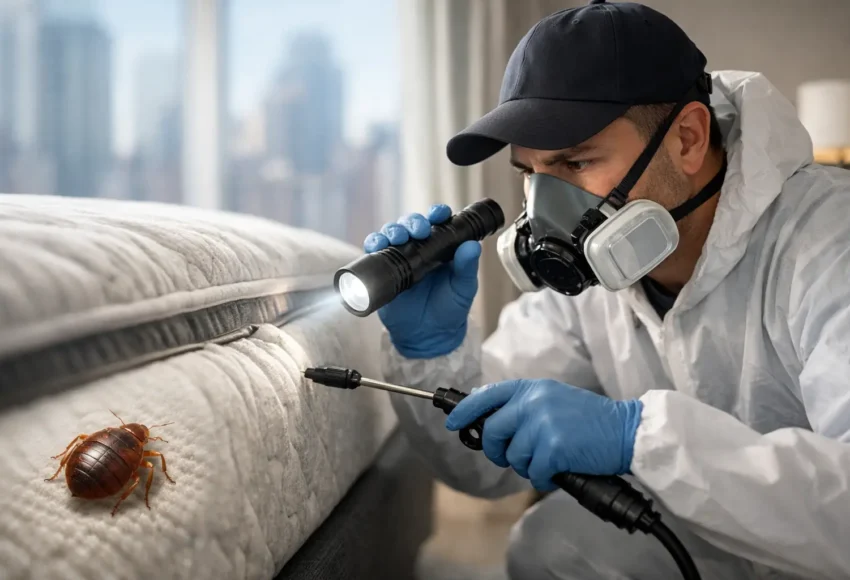
How a Bed Bug Exterminator Stops Infestations
Waking up with new bites or finding dark specks along a mattress seam can make your home feel uncomfortable fast. A bed bugs exterminator helps take the guesswork out of the problem by confirming what is happening, treating the areas bed bugs use to hide, and giving you a clear plan for getting your space back.
Bed bugs are not a sign of a dirty home, and they can show up in houses, apartments, hotels, offices, and rental properties. They travel easily in luggage, used furniture, moving boxes, and clothing. The sooner you act, the easier it is to limit their spread into other rooms.
When to Call a Bed Bug Exterminator
A single itchy bite does not always mean bed bugs. Mosquitoes, fleas, skin irritation, and other causes can look similar. But repeated bites after sleeping, especially in clusters or lines, deserve a closer look. Small reddish-brown bugs, pale shed skins, tiny white eggs, or black spotting around the bed are stronger warning signs.
Do not wait until you see bugs crawling in broad daylight. Bed bugs are excellent at hiding in mattress piping, box springs, bed frames, baseboards, sofas, nightstands, and cracks near where people rest. By the time they are easy to spot, the infestation may already be established.
Professional help is particularly useful when bites continue after cleaning, when bed bugs may have spread beyond one bedroom, or when you manage a rental unit or business. Quick, discreet service can protect tenants, guests, staff, and your reputation without creating unnecessary attention.
Why Store-Bought Sprays Often Fall Short
It is understandable to want immediate relief. Many people start with aerosol sprays, foggers, or home remedies. The problem is that bed bugs can hide far beyond the spots you can see, and some products only kill bugs that receive direct contact.
Foggers are especially frustrating because they may drive bed bugs deeper into walls, furniture, or neighboring rooms instead of reaching them where they hide. Using too much product can also create avoidable safety concerns for children, pets, and anyone with sensitivities.
A professional bed bug treatment is different because it focuses on inspection, targeted application, and follow-up planning. The goal is not simply to kill the bugs that are visible that day. It is to interrupt the full infestation, including hidden adults, young bugs, and eggs that may hatch after an initial visit.
What Professional Bed Bug Treatment Looks Like
The right approach depends on the size of the infestation, the layout of the property, and whether the issue is in a detached home, apartment, shared building, or commercial space. A reliable exterminator should explain the treatment method in plain language and tell you what results to expect.
The process usually begins with a detailed inspection. A technician checks sleeping areas first, then nearby furniture, wall edges, closets, upholstered items, and other likely hiding places. This matters because treating only the mattress is rarely enough.
After identifying affected areas, the technician applies an appropriate treatment plan. Depending on the situation, this may include carefully placed professional products, dusts for cracks and voids, steam treatment, or other targeted methods. Treatment should be performed with attention to people, pets, and the specific use of the space.
Bed bug control also requires patience. Eggs may survive an early treatment and hatch later, which is why follow-up service can be part of an effective plan. Be cautious of anyone who promises a complicated infestation will disappear after one quick spray with no preparation or reinspection.
For homeowners and property managers in York Region, Discount Pest Control provides fast, discreet bed bug service with unmarked vehicles and treatment options designed around safety and practical results. That can be especially valuable when you need help without advertising the issue to neighbors, tenants, or customers.
How to Prepare Before Treatment
Preparation gives a bed bug exterminator access to the places that need attention. Your technician should provide instructions specific to your property and treatment method. Do not move items into another room unless you are told to do so. That can spread bed bugs to areas that were previously unaffected.
Before your scheduled service, preparation commonly includes the following:
- Wash bedding, clothing, and washable fabrics from affected rooms, then dry them on high heat as directed.
- Place cleaned items in sealed bags or bins so they do not become reinfested before treatment is complete.
- Reduce clutter around beds, sofas, and baseboards so hiding places can be inspected and treated.
- Vacuum carefully if instructed, paying close attention to seams, cracks, and furniture edges, then dispose of the vacuum contents outside.
- Follow any instructions about leaving the property temporarily, removing pets, or covering sensitive items.
Avoid throwing out furniture automatically. A mattress, frame, or sofa may be treatable, and discarding it without care can spread bed bugs through hallways, stairwells, or curbside pickup areas. If an item truly must be removed, ask how to contain or mark it properly first.
What to Do Between Visits
Your actions after treatment matter just as much as preparation. Continue sleeping in the usual bed unless your exterminator tells you otherwise. Moving to a couch or guest room can give bed bugs a new food source and expand the treatment area.
Keep clean laundry sealed, avoid bringing secondhand furniture into the home, and follow the recommended monitoring steps. Mattress and box spring encasements may be recommended in some situations. These covers can trap bugs already inside and reduce future hiding places, but they are not a replacement for complete treatment.
You may still notice occasional activity shortly after service. That does not always mean treatment failed. Bed bugs can emerge from hiding places after products are applied, and eggs may hatch later. Record what you see, where you see it, and when it happens, then share that information during follow-up.
Bed Bugs in Apartments and Businesses
In multi-unit properties, communication and timing are critical. Bed bugs can move through wall voids, utility openings, hallways, and shared furniture. Property managers should respond quickly, document reports, and arrange professional inspection rather than asking tenants to solve the issue with retail products alone.
Small businesses face a different kind of pressure. A bed bug report at a hotel, office, care setting, retail space, or waiting area can cause real anxiety. Discreet professional service helps address the concern promptly while keeping operations and customer confidence in mind. The treatment plan may need to account for business hours, staff access, inventory, and privacy.
Choosing the Right Bed Bug Exterminator
Price matters, but the cheapest quote is not always the best value if it leaves the infestation behind. Ask whether inspection is included, what preparation is required, whether follow-up is recommended, and how the company handles concerns after treatment. You should also ask about treatment safety for children and pets, especially if anyone in the home has health sensitivities.
Look for clear answers rather than vague promises. A dependable exterminator will explain what they found, where they plan to treat, what you need to do, and what level of activity may be normal afterward. They should make a stressful situation feel manageable, not more confusing.
If you suspect bed bugs, avoid panic cleaning and avoid moving belongings from room to room. Keep the evidence, limit the spread, and arrange a professional inspection as soon as possible. Fast action gives you the best chance of containing the problem before bed bugs settle into more of your home or property.


Leave a Comment