
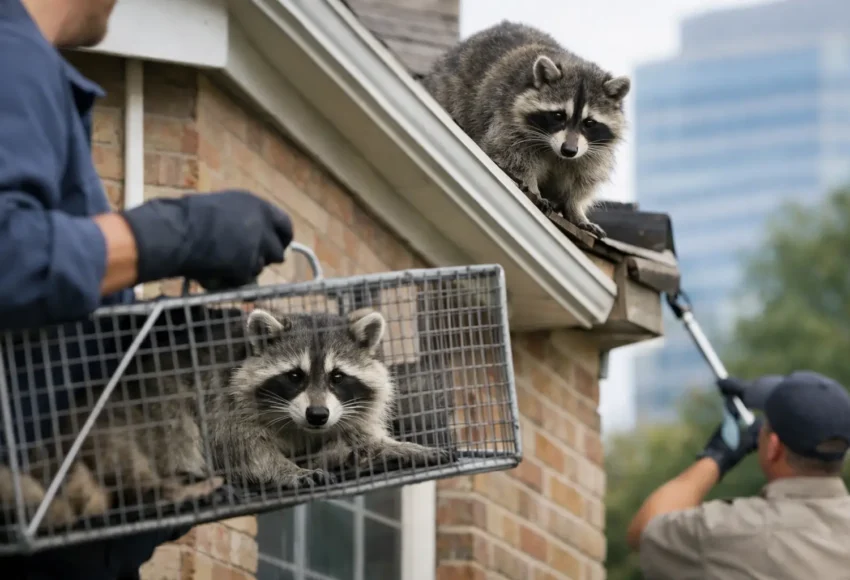
Raccoons Removal for Homes and Businesses
You usually hear raccoons before you see them. Scratching in the attic at 2 a.m., torn soffits, tipped garbage bins, or a strong smell near the roofline are often the first clues. If you are searching for raccoons removal, the main goal is simple: get the animal out safely, prevent it from coming back, and protect your home or business from more damage.
Why raccoons are more than a nuisance
A raccoon may look harmless from the yard, but it becomes a serious problem once it gets into a structure. Attics, crawl spaces, sheds, and roof vents offer warmth, shelter, and a quiet place to nest. A female raccoon with babies can stay hidden for weeks while damage builds up above your ceiling.
The biggest issue is not just the noise. Raccoons can tear insulation, damage ductwork, rip open vents, and contaminate areas with urine and feces. That creates odor problems and raises health concerns for people and pets. In commercial settings, a raccoon problem can also affect sanitation, staff comfort, and customer confidence.
This is why waiting rarely helps. What starts as a single entry point can turn into a bigger repair bill if the animal keeps using the same route night after night.
Common signs you need raccoons removal
Most property owners do not spot the raccoon right away. They notice the activity around it. Nocturnal sounds are one of the most common signs, especially heavy thumping or dragging noises in the attic or walls. Raccoons are much louder than mice, so the sound tends to feel more deliberate and disruptive.
You may also notice visible damage outside. Bent roof vents, torn shingles near the edge of the roof, damaged soffit, claw marks, or disturbed insulation around access points are all red flags. Garbage scattered around the yard is another clue, although outdoor scavenging does not always mean they have entered the building.
Inside, the signs can include a musty odor, stained ceiling spots, or unusual pet behavior. Dogs often react to movement in attics or crawl spaces long before people figure out what is going on.
Why DIY raccoon removal can go wrong
A lot of people first think about trapping, blocking the hole, or using repellents. The problem is that raccoons are smart, persistent, and often protected by wildlife rules that affect how they can be handled. More importantly, the wrong move can make the situation worse.
If you seal an entry point while the raccoon is still inside, you can trap the animal in the attic or separate a mother from her babies. That can lead to frantic damage, strong odor, and a much harder removal job. If babies are present and left behind, the problem becomes urgent very quickly.
Repellents and noise devices are also unreliable. Sometimes they cause the raccoon to move temporarily, but they rarely solve the real issue, which is access to food and shelter. Unless the entry point is addressed properly, another raccoon may return.
There is also the safety side. Raccoons can bite or scratch when cornered, and they may carry parasites or diseases. Getting too close is not worth the risk.
How professional raccoons removal usually works
The safest approach starts with an inspection. A trained wildlife technician looks for the main entry point, any secondary openings, signs of nesting, and the extent of contamination or damage. That matters because a quick patch on one hole does not solve much if there are two more weak spots on the same roofline.
Inspection and entry point identification
A proper inspection focuses on where the raccoon got in and why that spot worked. Roof vents, soffits, chimneys, and gaps around additions are common access areas. In older homes, worn materials make entry even easier.
The technician also checks whether there is one raccoon or a family group. This is a crucial detail because the removal method needs to match the situation.
Safe one-way exit strategies
In many cases, humane removal involves allowing the raccoon to leave and preventing re-entry. One-way doors are often used for this purpose. They let the animal exit but block it from coming back in.
This method works well when it is timed correctly and when young animals are handled properly. If babies are in the attic, the process has to be more careful. That is one reason professional service matters – the solution is not the same in every season or every property type.
Sealing and prevention
Removal is only half the job. Once the raccoon is out, the vulnerable areas need to be secured. That may include reinforcing vents, screening openings, repairing soffits, and sealing gaps that could attract future wildlife.
Without prevention work, raccoons often return to the same area. They remember safe shelter and will test previously successful entry points.
What raccoons can damage in a property
Raccoons are strong enough to pull apart materials that many homeowners assume are secure. They can rip roofing components, crush insulation paths, and damage stored items in attics and crawl spaces. The cost is not always obvious on day one because much of the damage stays hidden above ceilings or behind access panels.
Feces and urine create another layer of trouble. Once contamination gets into insulation or porous materials, simple cleaning may not be enough. Odor can linger, and in some cases damaged insulation needs to be removed and replaced.
For businesses, the issue can become more sensitive. No owner wants customers or staff hearing animals in the ceiling, finding torn garbage areas, or dealing with odors near the building. Fast service and discreet vehicles matter because the problem needs to be handled without drawing unnecessary attention.
Raccoons removal for homes vs. commercial buildings
The basic goal is the same in both settings, but the pressure points are different. In a home, people usually worry about family safety, pets, sleep disruption, and repair costs. In a commercial property, owners and managers are also thinking about brand image, tenant complaints, and keeping operations normal.
Apartment buildings and rental properties can be especially tricky because one entry point may affect multiple units or shared spaces. Quick response matters more in those cases because delays tend to create more complaints and more damage.
When to call right away
If you hear active movement in the attic, see a raccoon entering the roofline, notice a strong odor, or suspect babies are present, it is time to call for help. The same goes for any visible structural damage around vents, eaves, or soffits.
If the animal is inside a living area or appears sick, aggressive, or injured, do not try to handle it yourself. Keep people and pets away and get professional help immediately.
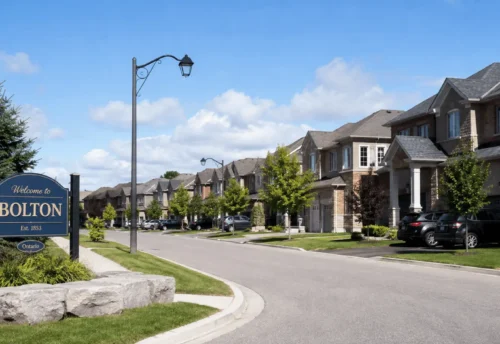
For property owners in communities like Georgina, Keswick, Sutton, Pefferlaw, Mount Albert, Bolton, Caledon, and nearby areas, fast local service can make a real difference. Wildlife problems tend to escalate quickly, especially when entry points stay open through changing weather.
How to lower the risk of raccoons coming back
Even after successful raccoons removal, prevention matters. Keep garbage secured, avoid leaving pet food outdoors, and fix damaged roof or soffit areas quickly. Tree branches that hang close to the roof can also give raccoons an easier path to access points.
That said, prevention has limits. A clean property can still attract raccoons if there is a warm, easy opening into the attic. Good sanitation helps, but solid exclusion work is what keeps them out.
Choosing the right help
When you call for wildlife service, you want a company that responds quickly, explains the process clearly, and handles the problem without guesswork. Humane removal, proper sealing, and attention to safety all matter. So does discretion. Many homeowners and businesses prefer help that solves the issue without making it a neighborhood conversation.
Discount Pest Control serves Ontario property owners who need fast, affordable, and dependable wildlife and pest support. If your raccoon issue turns out to be part of a bigger pest problem, it also helps to have one team that can deal with the full picture safely.
Raccoons do not usually leave on their own just because they are inconvenient. Once they find shelter, they tend to use it. The sooner the problem is identified and handled properly, the easier it is to protect your property and get your peace and quiet back.
Leave a Comment