Humane Wildlife Removal Services That Protect Your Home
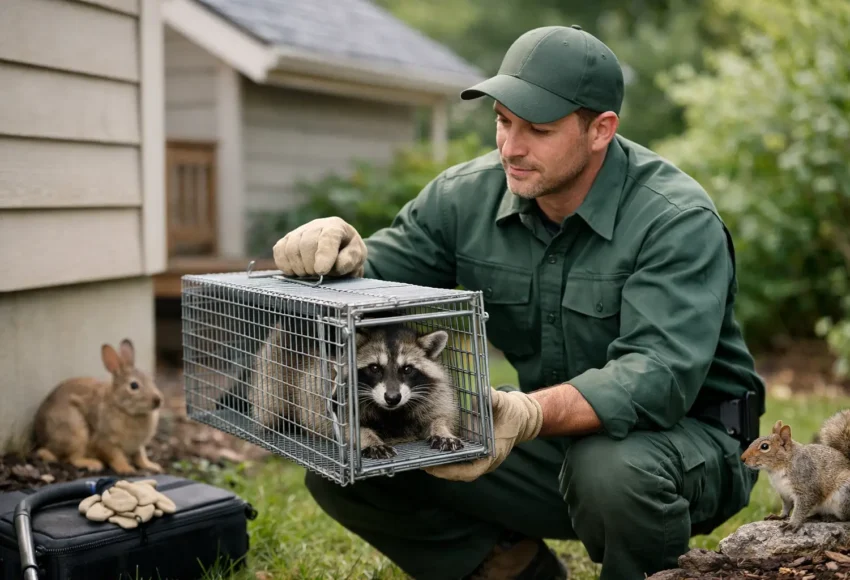
A raccoon in the attic, squirrels scratching behind a wall, or a skunk living beneath the deck can turn a quiet property into a stressful situation fast. Humane wildlife removal services address the immediate problem without treating wildlife or your home as an afterthought. The goal is to remove the animal safely, identify how it got in, and prevent the same issue from happening again.
For homeowners, landlords, and business owners, that last step matters just as much as getting the animal out. A single open roof vent, damaged soffit, or gap under a porch can invite repeat visitors. Fast help is important, but lasting protection is what restores peace of mind.
What humane wildlife removal really means
Humane removal is not simply catching an animal and taking it somewhere else. A responsible approach considers the animal’s behavior, the season, local regulations, and the condition of the property. It starts with confirming what animal is present and where it is entering or nesting.
Depending on the situation, a technician may use one-way exclusion doors that allow an animal to leave but block re-entry. This is often effective for raccoons, squirrels, and other animals that have entered attics, chimneys, sheds, or crawl spaces. Once the animal has left, the opening can be professionally sealed with durable materials suited to the location.
Humane work also means avoiding unnecessary harm. Poison is not an appropriate answer for wildlife in or around a building. It can create a second problem when an animal dies inside a wall, attic, or inaccessible space. It may also put pets, children, and non-target animals at risk.
Relocation is not always the kindest or most effective option either. Animals can become separated from their territory or young, and relocating them may be restricted by provincial rules. Exclusion and entry-point repair are often the better long-term solution when handled at the right time.
Why removing the animal is only part of the job
Wildlife rarely enters a building by accident. Raccoons look for protected attic spaces, squirrels can exploit small gaps along the roofline, and skunks are drawn to sheltered areas beneath decks, porches, and additions. If those conditions remain, another animal may move in soon after the first one leaves.
A complete service should include an inspection of the likely access points. On a home, that can mean roof vents, chimney caps, soffits, fascia boards, loose siding, gaps around utility lines, and openings near the foundation. For a commercial property, dumpsters, loading areas, roof penetrations, and exterior storage can also create attractive conditions.
The repair work needs to match the animal and the structure. A light screen may not stand up to a determined raccoon. Closing an opening without checking for babies can create a serious problem during nesting season. This is why a quick visual inspection from the ground is not always enough. The right solution depends on what is happening inside and around the property.
The risk of sealing an entry point too soon
Hearing movement in an attic often makes people want to close the hole immediately. That instinct is understandable, but it can trap an animal indoors or separate a mother from her young. Trapped wildlife may cause more damage trying to escape, and young animals left behind can create odor and sanitation concerns.
A professional assessment helps determine whether there is an active den or nest. Timing is especially important in spring and early summer, when raccoons and squirrels may have dependent young. In those cases, removal and exclusion must be planned carefully rather than rushed.
Common wildlife problems around Ontario properties
The animal you see is not always the only one involved. Scratching noises at dawn or dusk, torn insulation, droppings, unusual odors, damaged shingles, or grease marks around a gap can all point to wildlife activity. Acting early can reduce damage and keep an entry point from becoming larger.
Raccoons are strong, intelligent, and capable of tearing into weak roof areas. They may use attics as denning spaces and can damage insulation, ductwork, and wiring. Squirrels are smaller but can be just as disruptive, particularly when they chew wood, wiring, or plastic materials to widen an opening.
Skunks commonly settle beneath decks and sheds. Their odor makes a do-it-yourself confrontation especially risky, and a frightened skunk may spray near entrances, patios, or air intakes. Bats require a specialized approach because they can enter through very small gaps and should never be handled directly. Birds in vents or chimneys may also need careful removal and proper screening once the nesting situation has been assessed.
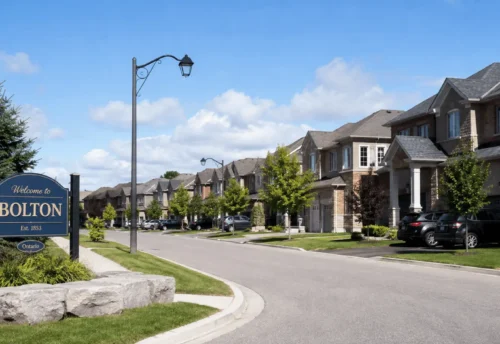
For homes and businesses in Georgina, Keswick, Sutton, Jackson Point, Mount Albert, Pefferlaw, Bolton, and Caledon, seasonal changes can make wildlife activity more noticeable. Cold weather drives animals toward warm shelter, while spring brings nesting activity. The best response is based on the animal, the building, and the time of year.
What to do before help arrives
Keep people and pets away from the area where the animal is active. If wildlife is in an attic, close the attic access and avoid going up to investigate. If an animal is under a deck or shed, do not block the opening, smoke it out, or try to force it away with loud noise. These methods can cause the animal to move deeper into the structure or react defensively.
Do not handle droppings, nesting material, or a sick or injured animal without proper protection. Wildlife can carry parasites and may contaminate insulation or surfaces. If an animal has been inside living space, keep children and pets away from the affected area until it can be assessed.
It also helps to make a few notes before calling: where you hear or see activity, the time of day it happens, any visible damage, and whether you have noticed young animals. A photo from a safe distance can be useful, but there is no need to get close for proof.
Choosing humane wildlife removal services
The right provider should be clear about what happens after the animal leaves. Ask whether the service includes a full inspection, exclusion work, repair recommendations, and guidance on cleaning or sanitizing affected spaces. You should know what problem is being addressed and why a particular method is recommended.
Speed matters when an animal is actively inside a home or business, but a same-day visit should not mean careless work. A reliable technician will look for more than the obvious hole, explain whether young may be present, and avoid promising a one-size-fits-all fix. Humane removal is careful work, not just trap placement.
Price should also be discussed upfront. The lowest initial quote may not include sealing entry points, attic assessment, or follow-up steps that prevent a repeat problem. Affordable service should still provide a clear plan and practical protection for your property.
Prevention that makes a real difference
Once wildlife has been removed, a few property habits can reduce the chance of another visit. Keep garbage secured, avoid leaving pet food outside, clean up fallen fruit, and keep bird feeders away from rooflines when possible. Trim tree limbs that touch or overhang the roof, especially where squirrels could use them as a bridge.
Check exterior vents, chimney caps, deck skirting, and roof edges regularly. Small gaps become easier to repair before an animal finds them. If you notice loose soffit panels, damaged screens, or scratching sounds, arrange an inspection before the problem grows.
Wildlife belongs outdoors, but your attic, crawl space, and deck should not become shelter. A calm, professional response protects your property while treating the animal responsibly. When the removal is paired with careful exclusion and prevention, you can move forward without waiting for the next scratching sound overhead.
Pingback: Raccoon Removal From Attic Without the Risk - Pest Control Ontario Exterminators