
Are Pest Treatments Safe for Babies? What to Know
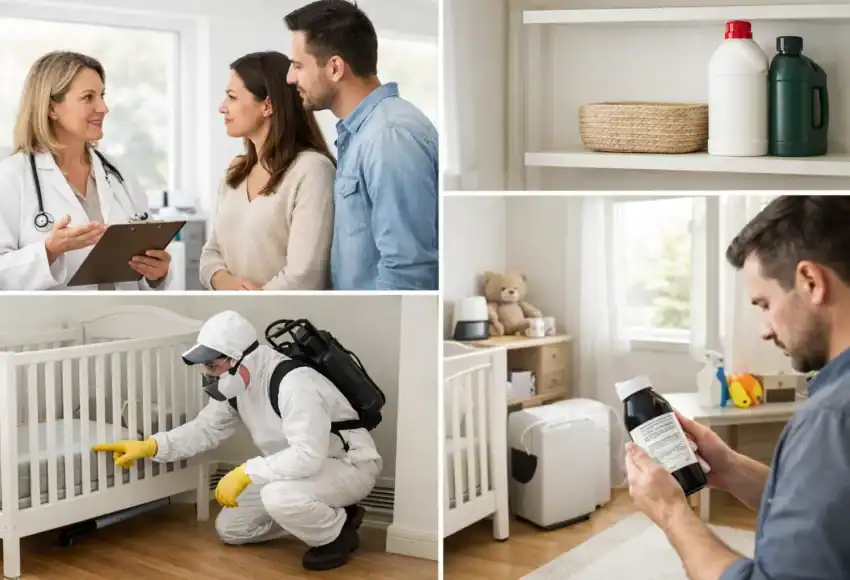
A crawling baby can find the one spot you missed while cleaning, which is why parents often worry about treatment residues on floors, baseboards, toys, and furniture. Are pest treatments safe for babies? They can be when the treatment is selected carefully, applied by a qualified professional, and paired with clear preparation and re-entry instructions. The bigger concern is never simply whether a product was used. It is whether it was used in the right place, at the right amount, with your baby kept away until the area is safe to use again.
A pest problem also has risks of its own. Mice and rats can contaminate surfaces and food, cockroaches can worsen allergy symptoms, and bed bugs can disrupt the sleep every new parent needs. You do not have to choose between living with pests and protecting your child. A careful, targeted plan can address both.
Are pest treatments safe for babies when done professionally?
Professional pest treatment is generally designed to manage pests while limiting exposure to people and pets. That does not mean every product, treatment method, or situation has the same safety profile. The right approach depends on the pest, how severe the infestation is, where it is active, and your baby’s age and mobility.
For example, an exterior ant treatment may have very little impact on your child’s indoor routine. A cockroach treatment in a kitchen or a bed bug service in a bedroom requires more preparation and more attention to re-entry directions. A responsible technician should explain where treatment will be applied, what type of application is being used, how long everyone should stay out of the treated area, and what cleaning should wait until later.
At Discount Pest Control, the goal is to use effective, targeted options rather than treating more of the home than necessary. Eco-friendly options may be available, but parents should still follow all instructions. “Eco-friendly” does not mean a baby can touch or ingest a treatment product.
The treatment method matters more than the word “pesticide”
Pest control is not one single thing. Some problems can be handled primarily with exclusion, trapping, vacuuming, monitoring, sanitation, or removal of nesting material. Other infestations need a carefully placed product to stop breeding or eliminate pests hiding in cracks.
Lower-exposure options
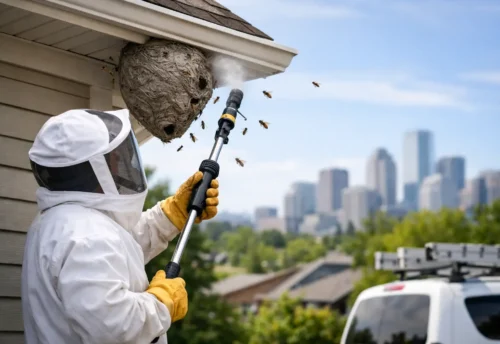
For rodent activity, sealing entry points and using secured traps in inaccessible locations can be central to the solution. For flies, drain pests, and pantry pests, cleaning the source often does as much work as a treatment. For wasps, the priority may be treating the nest from outdoors and keeping children away from the area.
Bed bug service may include inspection, targeted applications in cracks and furniture areas, mattress encasements, and detailed preparation. The treatment plan should take your baby’s sleeping space into account. Never assume a crib, bassinet, changing table, or baby gear is ready for use unless your technician has specifically said so.
Applications that require more planning
Sprays, dusts, gels, baits, and fogging all have different rules. Broad, room-wide foggers are usually not the first choice for a home with an infant because they can spread product into unnecessary areas and may not solve the source of the infestation. Targeted crack-and-crevice treatments, enclosed bait stations, and non-chemical measures are often more controlled options.
Baits can be highly effective for ants, cockroaches, and rodents, but they must be placed where a baby cannot reach them. Babies explore with their hands and mouths, so a product that is safe when secured behind an appliance is not safe if it is loose under a cabinet or within crawling distance.
Before treatment: prepare the spaces your baby uses
Tell the pest professional that you have a baby before the appointment is booked. Mention whether your child is crawling, whether they sleep in the room being treated, and whether there are bottles, toys, play mats, high chairs, or pet bowls nearby. This information helps the technician build a safer plan from the start.
Before service, remove or cover baby items from the treatment area. Put toys, teethers, pacifiers, bottles, formula containers, diapers, crib bedding, play mats, and portable bassinets in sealed bags or a separate untreated room. Do the same for food, dishes, and small appliances in a kitchen treatment area.
Vacuuming and cleaning before treatment can help, but do not scrub treated cracks, baseboards, or bait placements immediately afterward unless you are instructed to do so. Cleaning too soon may remove the treatment before it has time to work, leading to another service visit and more disruption for your family.
During treatment: keep your child out of the work area
The simplest rule is to keep babies, children, and pets away while treatment is being completed. In many cases, it is easiest for one caregiver to take the baby out of the home for the appointment. A walk, visit with family, or short errand can make the process less stressful.
If only one part of a larger home is treated, do not assume the next room is automatically safe for a baby. Ask the technician exactly which spaces are off-limits and whether air circulation could affect nearby rooms. Keep doors closed as directed, and do not bring the baby back into the treated area just because the application looks dry.
You should also avoid handling treatment equipment, moving bait stations, or entering a room to retrieve an item without checking first. A professional can usually tell you whether an item can be safely removed, cleaned, or left in place.
After treatment: follow re-entry and cleaning instructions
Re-entry times vary. Some services may allow you to return once treated surfaces are fully dry and the space has been ventilated. Others may require a longer period away from the home or specific rooms. The label directions for the product and your technician’s instructions should guide the decision.
Once you return, wash any baby items that may have been exposed accidentally. Wipe high-chair trays, changing surfaces, and play areas if they were not removed before service. Launder bedding and washable fabric items when appropriate. Keep the baby from crawling along treated baseboards, under cabinets, or behind appliances until the technician confirms those areas are safe to access.
Do not place a crib directly against a treated wall or move it into a room that has not been cleared for re-entry. If your child has a floor play area, use a clean, untreated mat in a different room until you know the treated area is ready.
When to be extra cautious
Every baby deserves careful protection, but some situations call for additional planning. Speak up before treatment if your child was born prematurely, has asthma or breathing concerns, has frequent skin reactions, or has a medical condition that makes you especially concerned about exposure. Your pediatrician can advise on your child’s individual needs, while the pest professional can explain the treatment details.
You should also be cautious if the infestation is in the nursery, kitchen, or another space your baby uses every day. In these cases, ask whether treatment can be limited to cracks, voids, exterior entry points, or other inaccessible locations. Sometimes a staged approach makes sense: address the active source first, then complete any needed indoor treatment after you have prepared the space.
Questions to ask before you approve a treatment
You do not need to be a pest control expert to make a good decision. Ask what pest has been identified, where it is coming from, and whether non-chemical steps can reduce the problem. Ask what will be applied, where it will be placed, how long your baby must stay away, and whether you need to wash or remove specific items afterward.
Also ask what you can do to prevent the pests from returning. Sealing gaps, reducing moisture, storing food properly, and correcting sanitation issues can lower the chance of repeat treatments. That is especially valuable when you have a baby at home and want the fewest disruptions possible.
Do not ignore symptoms or a possible exposure
If you believe your baby touched, swallowed, or had a reaction to a pest control product, move them away from the area and contact a medical professional or poison control right away. Keep the product information available if possible. For breathing trouble, severe drowsiness, vomiting, seizures, or any urgent symptoms, call emergency services immediately.
A pest problem can feel overwhelming when you are caring for an infant, but you deserve a plan that protects your home without leaving you guessing. Choose a provider that listens, gives clear preparation instructions, and treats only what needs treatment. A quick conversation before service can make the difference between a stressful surprise and a safer, calmer home.

Pingback: When to Call an Ant Exterminator in Ontario - Pest Control Ontario Exterminators