
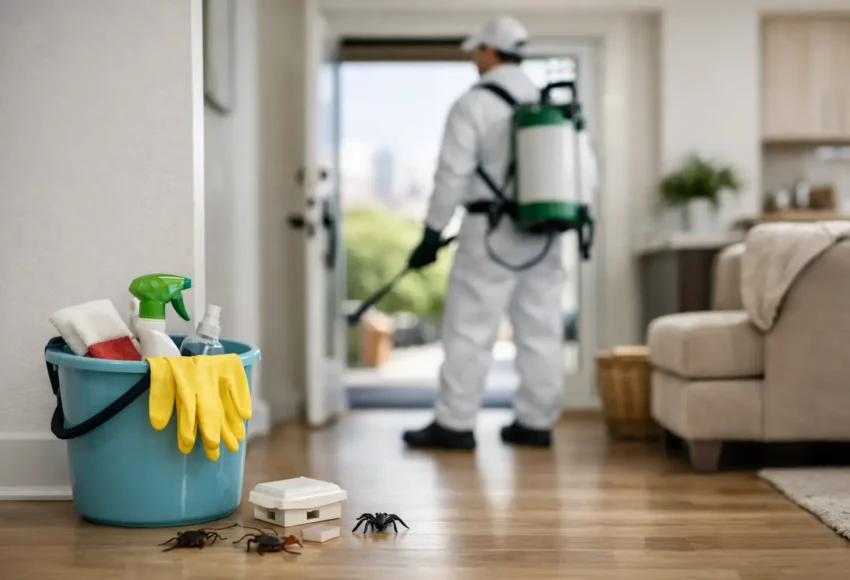
How to Prepare for an Exterminator Visit Today
Finding mouse droppings under the sink, seeing cockroaches after dark, or waking up with suspicious bites can make a home feel stressful fast. Knowing how to prepare for an exterminator visit helps your technician inspect the right areas, apply treatment safely, and get to the source of the problem without delays.
Preparation is not about making your home look perfect. It is about giving the pest control professional safe access to the places where pests hide, travel, feed, and nest. Your technician will tell you if your pest problem needs any special steps, but the guidance below covers what most homeowners, tenants, property managers, and small business owners can do before service.
Confirm what type of service you are receiving
Preparation depends on the pest. A bed bug treatment requires different steps than a mouse, cockroach, ant, spider, or wasp service. Before the appointment, confirm the pest you have seen, where you have seen activity, and whether the visit is an inspection, a treatment, or both.
Be specific when you speak with the exterminator. Mention where droppings, insects, bites, noises, nests, damaged food packages, or entry holes were found. If activity is happening in more than one room, say so. This information helps the technician arrive prepared and prevents time from being spent searching in the wrong place.
If you are unsure what pest you have, do not guess or feel embarrassed. Take a clear photo if it is safe to do so, save a sample in a sealed container if practical, or simply describe what you noticed. Fast, reliable pest control starts with an accurate inspection.
How to prepare for an exterminator visit at home
Start by creating access. The technician may need to inspect baseboards, behind appliances, under sinks, inside cabinets, around utility lines, in attics, crawl spaces, garages, basements, and exterior entry points. Move small items away from walls where possible, especially in rooms with visible activity.
You do not need to empty the entire house unless you were instructed to do so. In fact, moving everything around can spread pests such as bed bugs into new areas. Focus on clearing the specific spaces that need inspection and treatment. If you receive preparation instructions from your pest control company, follow those instructions over general advice online.
For rodents, make sure the areas around the stove, refrigerator, dishwasher, furnace, and water heater can be reached if possible. Mice and rats often travel along walls and hide close to warmth, water, and food sources. For cockroaches, access under sinks and inside lower kitchen and bathroom cabinets is especially helpful.
Clean without erasing the evidence
A basic cleanup can help, but do not scrub away all signs of pest activity before the technician arrives. Droppings, grease marks, insect sightings, shed skins, and damaged materials can show where pests are active. Point these areas out during the appointment.
Put away loose food, wipe up spills, and remove garbage from the kitchen and other affected areas. This reduces food sources and allows treatment to work better. Avoid using heavy household sprays, bug bombs, essential oils, or strong cleaners directly around suspected activity just before service unless the technician tells you to. These products can drive pests deeper into hiding or interfere with a planned treatment.
Protect food, dishes, pets, and personal items
Your exterminator will explain whether you need to leave the property and how long to wait before returning. The answer depends on the pest, product, treatment area, ventilation, and whether pets or children are present. Do not assume every treatment requires the same precautions.
As a general rule, store food, pet food, medications, toothbrushes, and children’s toys away from treatment areas. Place open food in the refrigerator or sealed containers. Put dishes, cookware, and utensils inside cabinets or cover them if instructed. If cabinets will be treated, your technician may ask you to remove items first.
Pets should be kept away from the work area. This includes dogs, cats, birds, reptiles, fish, and small animals in cages. Fish tanks may need to be covered and equipment adjusted depending on the treatment, so always mention aquariums when booking. Ask before the appointment if you have a pet with special health needs or a child who crawls or plays on the floor.
Discount Pest Control can discuss treatment options and safety steps before work begins, including eco-friendly options where appropriate. Clear communication is the best way to protect the people and animals in your home.
Prepare rooms based on the pest problem
For bed bugs
Bed bug preparation is often more detailed because these pests hide in seams, furniture joints, clutter, outlets, and personal belongings. Do not move bedding, clothing, furniture, or bags from an affected room to another room unless your technician instructs you to. That can spread the infestation.
You may be asked to bag washable fabrics and dry them on high heat, remove items from under beds, and make space around beds and upholstered furniture. Keep cleaned items sealed until the technician tells you it is safe to put them back. If you live in an apartment or manage a rental property, report the issue quickly, since nearby units may also need inspection.
For mice and rats
Remove accessible food from counters and store pantry goods in sealed containers. Pick up pet food at night, clean crumbs behind appliances, and let the technician know about sounds in walls or ceilings. Rodent control is not only about traps or bait. It often includes identifying possible entry points, so access to basements, garages, utility rooms, and exterior walls matters.
Do not handle rodent droppings with bare hands. Avoid dry sweeping or vacuuming large amounts of droppings. If cleanup is needed before service, ask for safe instructions, particularly if droppings are in a heavily used area.
For cockroaches, ants, and other crawling insects
Clear kitchen and bathroom counters, empty trash, and reduce moisture around sinks. Repairing a dripping pipe may not solve an infestation alone, but it removes a resource pests use. Pulling appliances slightly away from the wall can help when it is safe to do so.
For ants, leave a visible trail alone until the technician has seen it if possible. For cockroaches, do not apply store-bought sprays right before the visit. Professional treatment works best when the technician can identify harborages and choose the right approach for the property.
For wasps, hornets, and outdoor pests
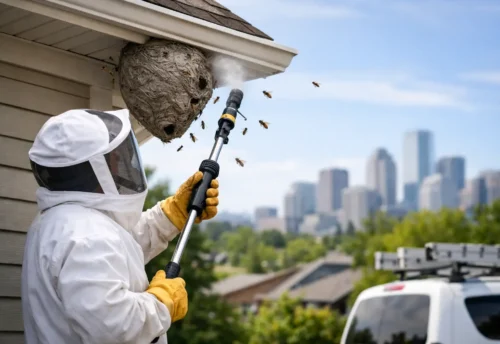
Keep children, pets, and visitors away from the nest area. Do not hit, soak, burn, or block an active nest. Disturbing it can lead to stings and may make removal more difficult. Tell the technician where the nest is located and whether anyone at the property has a known sting allergy.
For outdoor issues, unlock gates, move vehicles if they block access, and keep the area clear. If a nest is high on a structure, inside a wall, or near a busy entrance, professional removal is the safer choice.
Make access easy on appointment day
Before the technician arrives, secure pets, unlock needed rooms, and make sure an adult who can answer questions is available. If you are a landlord, property manager, or business owner, arrange access with tenants or staff in advance. Delays can mean the inspection is incomplete or the service must be rescheduled.
Tell the technician about allergies, young children, pregnancy, respiratory concerns, sensitive equipment, and previous pest treatments. Also mention any recent renovations, leaks, roof damage, or changes around the property. These details can reveal why pests entered in the first place.
For discreet service, ask about arrival arrangements when booking. This can be especially helpful for rental properties, restaurants, offices, and homes where you prefer a low-profile visit.
Know what to expect after treatment
Do not expect every pest problem to disappear the same day. Some treatments work immediately, while others are designed to be carried back to nests or affect pests over time. You may see increased activity for a short period after certain treatments as pests leave hiding places. That does not automatically mean the treatment failed.
Follow all aftercare instructions. You may be asked not to clean treated areas for a certain time, to continue monitoring activity, or to schedule a follow-up visit. Rodent and bed bug problems in particular may require more than one visit, depending on the severity of the infestation and the conditions at the property.
If you are in Georgina, Keswick, Sutton, Jackson Point, Mount Albert, Pefferlaw, Bolton, or Caledon and need urgent help, give the pest control company a clear description of what you are seeing and where. The sooner the right information is shared, the sooner a practical treatment plan can begin.
A prepared home gives your technician the room to do careful work, but you do not have to solve the infestation before they arrive. Clear the access, protect the people and pets you care about, and let the professional focus on stopping the problem at its source.

Leave a Comment