
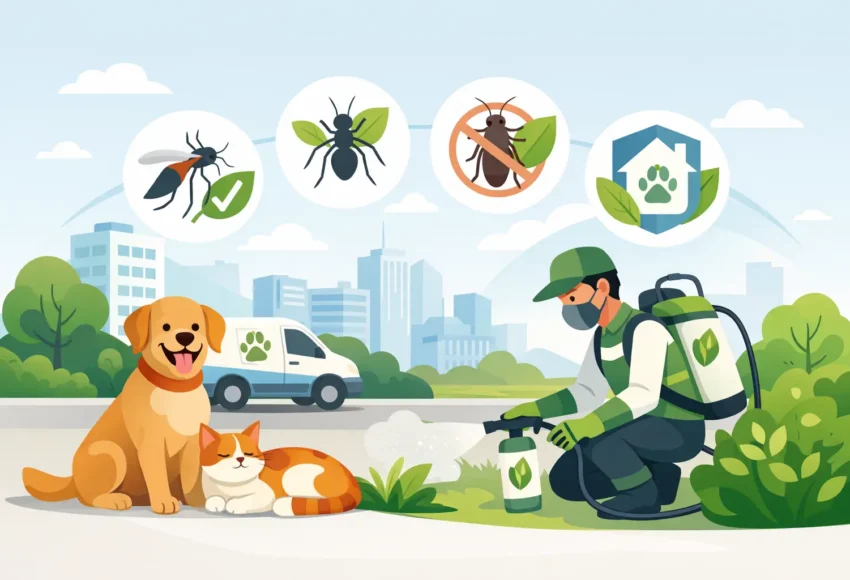
Pet Safe Pest Control Options That Work
If you have a dog that sniffs every baseboard or a cat that treats the basement like a hunting ground, pest control can feel like a trade-off you should not have to make. The good news is that pet safe pest control options are real, but they are not all equal, and the safest choice depends on the pest, the layout of your home, and how your pets move through the space.
For most homeowners, the goal is simple. Get rid of the pest problem fast without putting pets at risk. That means looking beyond product labels and thinking about exposure. A treatment can be considered low risk when used correctly, but still become a problem if a dog licks a treated surface, a cat walks through dust, or a pet gets into bait stations that were placed carelessly.
What pet safe pest control options actually mean
Pet safe does not mean no treatment, no chemicals, or one-size-fits-all. It usually means the method is chosen and applied in a way that reduces risk to animals while still solving the infestation. In practice, that can include targeted crack-and-crevice treatments, tamper-resistant bait stations, exclusion work, trapping, nest removal, sanitation changes, and short-term pet separation during service.
This is where many store-bought products fall short. They are often used too broadly, applied too often, or placed in the wrong spot. A spray that seems harmless on the label can still create issues if it is used on pet bedding, around food bowls, or in areas where pets groom themselves after contact.
The safer approach is targeted control. Instead of treating every room, focus on where pests live, travel, and enter. That reduces the amount of product used and usually improves results.
Pet safe pest control options for common Ontario pests
Different pests call for different strategies. What works safely for ants may not be the right answer for rats or wasps.
Rodents
Mice and rats are one of the biggest concerns in pet households because both the pests and the treatment can create risk. Rodents contaminate food, leave droppings, and can spread bacteria. At the same time, loose poison blocks or poorly placed traps can be dangerous for curious pets.
The best pet-conscious rodent plan usually combines inspection, entry-point sealing, strategic trapping, and secured bait stations where needed. Tamper-resistant stations matter because they limit direct access. Placement matters just as much. A station tucked properly along a rodent runway is very different from bait left where a dog can nose it around.
There is also a secondary risk people forget about. If a rodent consumes toxic bait and a pet finds it, that can become a problem too. In homes with active pets, many situations are better handled with exclusion and trapping first, then carefully controlled baiting only when necessary.
Bed bugs
Bed bugs are stressful because they spread through soft furnishings and sleeping areas, which are also places pets spend time. Some pet owners assume they need to fog the whole house. That is usually not the safest or most effective move.
For bed bugs, a pet-aware plan often focuses on room-specific treatment, careful product selection, vacuuming, laundering, heat where appropriate, and clear re-entry instructions. Pets may need to stay out of treated rooms until surfaces are dry or the technician confirms it is safe to return. Fish tanks, bird cages, and other sensitive habitats need special attention before service starts.
Wasps
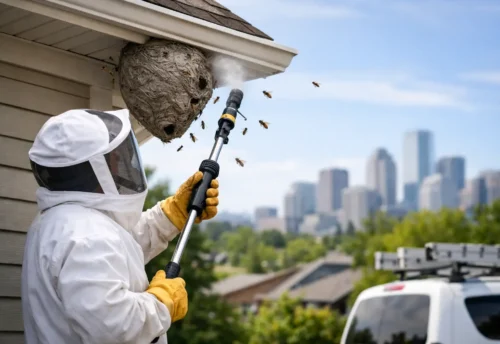
Wasps are dangerous for pets in a more direct way. Dogs investigate nests, cats chase flying insects, and one sting can turn into an emergency fast if there is a reaction. In these cases, removal speed matters as much as treatment safety.
Pet safe pest control options for wasps usually mean professional nest removal with controlled application at the nest site, not broad outdoor spraying. Keeping pets indoors during and after service for the recommended period is a simple but important step.
Ants, spiders, and crawling insects
For ants and many crawling insects, baiting is often safer than over-the-counter surface sprays because it targets the colony with less exposure across the home. The catch is that bait has to be placed where pests can reach it but pets cannot. That may mean inside wall voids, behind kick plates, under appliances, or in secured stations.
For spiders and occasional invaders, exclusion and habitat reduction can do a lot of the work. Sealing gaps, reducing clutter, cutting down excess moisture, and treating specific harborages is often a better fit for pet homes than broad residual spraying.
The safest methods usually involve more than products
When people search for pet safe pest control options, they often expect a list of sprays or natural remedies. In reality, the safest plans often rely on process more than product.
Inspection comes first because you need to know what you are dealing with. Treating the wrong pest wastes time and can increase exposure without solving anything. After that, exclusion does a lot of heavy lifting. Sealing entry points, repairing screens, closing foundation gaps, and addressing food and water sources can reduce or eliminate the need for heavier treatment.
Trapping is another useful tool in pet-conscious homes when it is placed correctly. The same goes for mechanical removal, vacuuming, nesting material cleanup, and habitat correction outdoors. These steps are not flashy, but they lower pest pressure while keeping risk controlled.
Natural does not always mean safer for pets
This is one of the most common misunderstandings. Many people assume essential oils or plant-based products are automatically safer than conventional treatments. That is not always true.
Some oils and botanical ingredients can irritate skin, affect breathing, or be toxic to pets, especially cats and birds. A homemade mix may sound gentle, but if it is used around sleeping areas, food bowls, or litter boxes, it can still cause trouble. Natural products also tend to be overapplied because people assume there is no downside.
A better question is not whether something is natural. It is whether it is appropriate for the pest, properly applied, and safe for your specific pet. A senior dog, a kitten, a reptile, and a parrot all have different sensitivities.
Questions to ask before any treatment
If you are hiring a pest control company, ask direct questions. Tell them what pets you have, where those pets spend time, and whether any of them have health issues. A good provider should be able to explain what will be used, where it will be used, how long pets should stay out of treated areas, and what follow-up is needed.
You should also ask whether there are non-chemical or lower-exposure options that fit the problem. Sometimes the answer is yes. Sometimes the infestation is too advanced for that alone. The right company will be honest about that instead of promising a pet-safe miracle that does not actually fix the issue.
For households in places like Georgina, Keswick, Sutton, or Pefferlaw, this matters even more when homes back onto fields, woods, or water. Wildlife pressure, rodent movement, and seasonal insect activity can all change what the safest effective treatment looks like.
How to prepare your home when pets are involved
Preparation makes a big difference. Before service, move pet bowls, toys, bedding, and litter boxes away from treatment zones. Cover or relocate aquariums if advised. Keep dogs and cats secured in a separate room or off-site if the treatment plan calls for it.
After service, follow the technician’s instructions exactly. If they say wait until surfaces are dry, wait. If they say do not mop certain areas immediately because it reduces effectiveness, that is worth following too. Safe treatment is not just about application. It is also about re-entry timing and what happens in the hours after service.
When professional help is the safer choice
There is a reason serious infestations are difficult to handle with off-the-shelf products. The bigger the problem, the easier it is to make a pet safety mistake while trying to solve it yourself.
That is especially true with rodents, bed bugs, wasps, and recurring infestations that keep coming back. A professional can identify where pests are nesting, choose methods that reduce exposure, and apply treatment with far more precision than a typical DIY attempt. For many households, that is the safest route because it limits guesswork.
At Discount Pest Control, the focus is on practical treatment plans that protect homes without creating unnecessary stress for families and pets. That means fast response, clear instructions, and solutions tailored to the actual pest problem instead of a generic spray-everything approach.
The right pest control plan should let you solve the infestation and still feel comfortable when your dog stretches out on the floor or your cat hops back onto the windowsill. If you have pets, safety should be part of the strategy from the start, not an afterthought.
Leave a Comment