
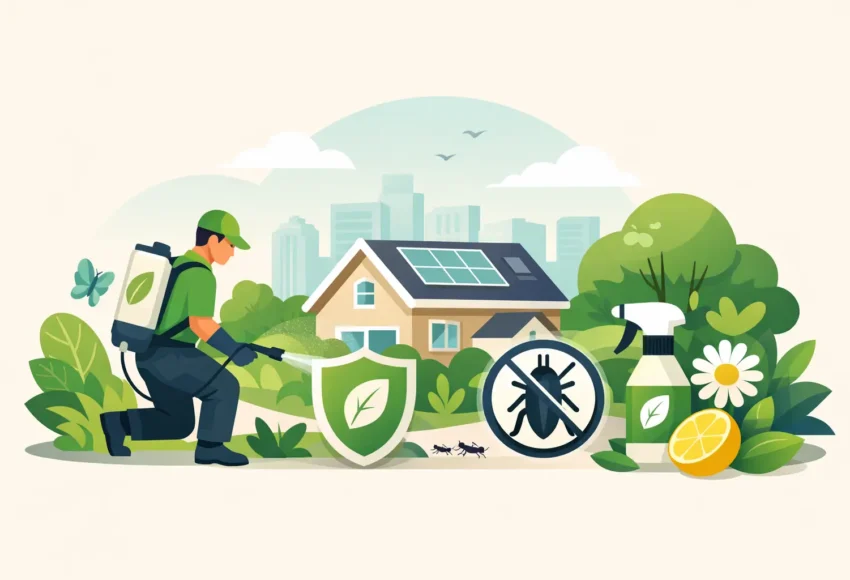
Eco Friendly Pest Control for Homes That Works
You usually notice a pest problem at the worst possible time – scratching in the walls at night, ants showing up before guests arrive, or a wasp nest suddenly buzzing near the front door. When that happens, most people want two things at once: fast relief and a safer option for their family. That is exactly why eco friendly pest control for homes matters. It is not about ignoring the problem or relying on weak home remedies. It is about using smarter methods that reduce risk to people, pets, and the environment while still getting results.
For homeowners, landlords, and small business owners, the real question is not whether green pest control sounds nice. The question is whether it works when pests are active, multiplying, and causing damage. In many cases, the answer is yes – but only when the approach fits the pest, the property, and the level of infestation.
What eco friendly pest control for homes really means
A lot of people hear the word eco friendly and assume it means chemical-free. That is not always true. In professional pest control, eco friendly usually means using the least harmful effective solution first, targeting the pest directly, and avoiding broad overuse of products.
That can include exclusion work, habitat reduction, trapping, low-toxicity treatments, precise applications, and follow-up prevention. It also means taking your household into account. If you have children, pets, elderly family members, or tenants on site, treatment planning should reflect that.
The goal is simple: solve the pest problem without creating a new safety concern.
Why more homeowners are choosing safer pest solutions
People are more cautious about what gets used in and around their homes. That makes sense. Kitchens, bedrooms, crawl spaces, attics, and basements are not places where anyone wants unnecessary exposure.
At the same time, pests can carry bacteria, trigger allergies, contaminate food, damage insulation, chew wiring, and create serious stress. So doing nothing is not a safe option either. The better choice is a treatment strategy that balances effectiveness with safety.
This is especially relevant for common residential problems like mice, ants, cockroaches, spiders, wasps, and wildlife intrusions. In many of these cases, a focused eco-conscious plan can be highly effective, especially when the issue is caught early.
The best eco-friendly methods depend on the pest
Not every pest responds to the same treatment. That is where many DIY attempts go wrong. Homeowners often buy a general spray or trap, use it once, and expect the whole issue to disappear. But pest control works best when the method matches the behavior of the pest.
For rodents, prevention matters as much as removal
With mice and rats, eco-friendly control often starts with inspection and exclusion. That means finding entry points, sealing gaps, reducing food sources, and placing traps strategically. This approach is safer and often more reliable than relying heavily on rodenticides around the home.
Rodents are persistent, and if the access points stay open, new ones can move in even after the first round is removed. That is why long-term rodent control is usually about combining removal with proofing work.
For wasps, targeted treatment is the safer route
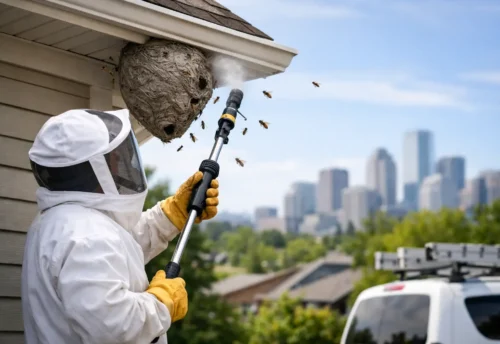
Wasp problems are a good example of why precision matters. Spraying randomly around a nest is not an eco-friendly plan, and it is not a safe one either. A focused removal process reduces exposure, lowers the chance of agitating the colony, and helps prevent repeat nesting in the same area.
For bed bugs and cockroaches, low-toxicity does not mean low-effort
These pests are harder to eliminate because they hide well and reproduce quickly. Eco-conscious treatment may involve heat, monitoring, crack-and-crevice applications, dusts used in targeted areas, and detailed follow-up. It can work very well, but it needs thorough execution.
This is one of those it depends situations. A very early problem may be handled with a lighter-touch plan. A widespread infestation often needs a stronger professional response, even if the overall strategy still prioritizes low-impact methods.
Where DIY eco pest control helps – and where it falls short
There are a few things homeowners can do right away that genuinely help. Cleaning up food debris, storing pantry items in sealed containers, fixing moisture issues, trimming vegetation away from the house, and sealing obvious gaps are all useful steps. These are not glamorous fixes, but they make a big difference.
Traps can also be effective in the right situation, especially for mice or occasional insect activity. So can reducing clutter in storage areas where pests hide.
But DIY has limits. If you are seeing droppings every day, hearing activity in the attic, spotting roaches during daylight, or dealing with repeated wasp activity in the same area, the problem is likely established. At that point, the issue is not just removing what you can see. It is finding the source, the access points, and the nesting or harborage zones.
That is where professional service saves time, frustration, and often money.
What to expect from a professional eco-friendly pest control plan
A proper service visit should start with a real inspection, not a one-size-fits-all treatment. The technician should look at the type of pest, the severity of the problem, where activity is happening, and any safety concerns specific to the property.
After that, the treatment plan should be clear. You should know what is being used, where it is being applied, and what precautions are recommended. If a company cannot explain that in simple terms, that is a red flag.
A good eco-friendly plan often includes three parts. First, immediate control to reduce active pest pressure. Second, structural or sanitation recommendations to stop reinfestation. Third, follow-up if the pest requires monitoring or repeat service.
That is especially important in homes with children and pets, or in rental properties where problems can spread between units if they are not handled properly.
Safety matters, but so does effectiveness
Some companies talk about green pest control as if every natural product is automatically safe and every conventional product is automatically dangerous. Real pest control is more practical than that.
Safety depends on the product, the amount used, where it is applied, and who applies it. A targeted professional treatment can be far safer than overusing store-bought foggers, sprays, or powders without a plan.
The best providers are honest about trade-offs. Some infestations can be solved with mostly non-chemical methods. Others may require carefully selected products as part of a broader strategy. What matters is using the least invasive method that will actually solve the problem.
That approach is often the most eco-friendly choice in the real world because it reduces repeat treatments, wasted product, and unnecessary exposure.
Why local experience makes a difference
Pest issues are not identical from one region to another. Seasonal rodent pressure, wasp activity, moisture-related insect problems, and wildlife entry points can vary by area and property type. Homes in communities like Georgina, Keswick, Sutton, Mount Albert, and Pefferlaw often deal with a mix of suburban and rural pest pressures, which means treatment needs to be practical and responsive.
That local experience matters when the goal is not just to treat the pest, but to stop it from coming back.
Signs it is time to call for help
If the problem is recurring, spreading, or creating a health or safety issue, it is time to bring in a professional. The same goes for anything involving stings, bites, droppings, nesting, damage to the structure, or activity inside walls and ceilings.
Fast action usually means a smaller treatment scope and a better outcome. Waiting tends to give pests more time to breed, spread, and settle deeper into the property.
For many homeowners, the most reassuring option is working with a company that can respond quickly, explain the plan clearly, and offer treatment options that are safer for people and pets. That is the kind of support Discount Pest Control focuses on every day.
If you are dealing with pests and want a safer approach, eco-friendly service can be a smart option – as long as it is built around what actually works. A good plan should leave you with fewer pests, fewer worries, and a home that feels like yours again.
Leave a Comment