
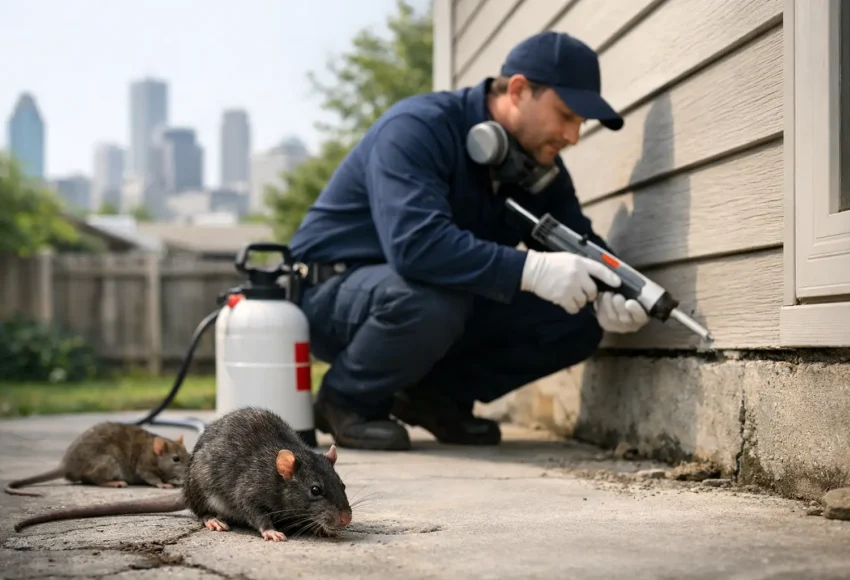
Rat Infestation Removal That Stops Rats for Good
A scratching sound in the ceiling after dark, chewed food packaging, or small droppings behind the stove can turn a normal evening into a stressful one. Rat infestation removal is not simply about getting rid of the rats you can see. It means finding where they are nesting, removing the active problem safely, and closing the routes that allow new rats to get inside.
For homes, rental properties, restaurants, offices, and small businesses, waiting can make the problem more expensive. Rats reproduce quickly, contaminate food and surfaces, damage wiring and insulation, and can create a serious sanitation concern. A fast, professional response gives you immediate relief without leaving the underlying entry problem behind.
Signs You May Need Rat Infestation Removal
Rats are cautious and often stay hidden during the day, so the first signs are usually indirect. Fresh droppings are one of the clearest indicators. They are typically dark, pellet-shaped, and commonly found along walls, in cabinets, near food storage, or in basements and utility rooms.
Gnaw marks are another warning sign. Rats chew constantly, and they may damage wood, plastic, cardboard, pipes, and electrical wires. If you notice teeth marks on food containers, pet food bags, garage items, or wiring, do not assume it is a minor issue. Damage to electrical cables can create a fire risk.
You may also hear movement in walls, ceilings, crawl spaces, or attics, particularly at night. Other signs include greasy rub marks along baseboards, a persistent musky odor, shredded paper or insulation used for nesting, and pets suddenly fixating on a wall or appliance.
A single rat can signal a larger issue, especially when food, warmth, and protected nesting space are available. In multi-unit buildings and commercial spaces, rats may move between units or through shared utility areas. That is why a careful inspection matters before treatment begins.
Why DIY Rat Control Often Falls Short
A store-bought trap may catch one rat, but it does not tell you how the animal entered, whether others are present, or where nesting activity is happening. Rats are intelligent, wary of new objects, and capable of squeezing through surprisingly small openings. A temporary reduction in activity can feel like success until noises and droppings return a few weeks later.
Poison products also come with trade-offs. Used incorrectly, they may pose risks to children, pets, and wildlife. A rat that dies inside a wall, ceiling, or inaccessible void can also create an unpleasant odor and a difficult cleanup issue. For businesses, improper use can raise sanitation and safety concerns.
DIY efforts can be useful for reducing attractants. Sealing food, removing clutter, and keeping garbage containers closed all make a property less inviting. But active infestations usually require a coordinated plan that combines inspection, targeted removal, monitoring, exclusion, and follow-up.
How Professional Rat Infestation Removal Works
Effective rat infestation removal begins with identifying the full scope of the issue. A trained technician looks beyond the most obvious droppings or damage to assess likely travel routes, nesting areas, food sources, and exterior entry points. The goal is to understand why rats chose the property and what will keep them from returning.
Inspection and a Clear Treatment Plan
During an inspection, common problem areas include attics, basements, garages, sheds, crawl spaces, kitchens, storage rooms, loading areas, and gaps around plumbing or utility lines. Outside, the technician may check foundations, vents, doors, rooflines, garages, and areas where branches or clutter give rodents easy access.
The right plan depends on the property. A family home with rats in the attic needs a different approach than a restaurant with activity near a dumpster or a rental building with shared utility spaces. A professional should explain what was found, what treatment is recommended, and what steps the customer can take to support lasting results.
Targeted Removal and Monitoring
Professional removal methods are selected based on the extent of activity, the property layout, and safety needs. Trapping and secured bait stations may be used where appropriate, with placement designed to target rat travel paths while limiting access by children and pets.
Monitoring is a key part of the process. It helps confirm whether activity is declining and whether rats are using other areas of the property. This step prevents treatment from becoming a guess. If an access point or food source was missed, the plan can be adjusted before a small problem becomes a repeat infestation.
Exclusion Is What Makes Results Last
Removing rats without sealing entry points is like repairing a leak without turning off the water. Exclusion work addresses the gaps, cracks, damaged screens, open vents, and other access points rats use to enter.
Rats can climb, jump, and gnaw through weak materials, so repairs need to be durable. The best exclusion approach depends on the building and the location of the opening. In some cases, repairs must wait until removal activity is under control so animals are not trapped inside. A qualified technician can explain the order of work and why it matters.
What You Can Do Before Service Arrives
There is no need to put yourself at risk by searching through attics or reaching into hidden areas. Instead, focus on making the property less attractive and documenting what you have noticed. Keep food in sealed containers, including pet food and birdseed. Clean crumbs and grease from kitchen surfaces, and avoid leaving pet bowls out overnight when possible.
Move stored items away from walls in basements, garages, and storage rooms so signs of activity are easier to spot. Keep outdoor garbage lids closed, reduce clutter near the foundation, and trim vegetation that touches or overhangs the building. These steps do not replace treatment, but they can make removal more effective.
Avoid sweeping or vacuuming dry rodent droppings, particularly in enclosed spaces. Disturbing droppings can spread contaminated dust. Keep children and pets away from affected areas, and let a professional advise you on safe cleanup after the infestation has been addressed.
Rat Control for Homes, Rentals, and Businesses
Every property has different pressures. Homeowners often worry about noises in the attic, damage behind appliances, and keeping children and pets safe. Renters need prompt help and clear communication when activity may involve common areas or building maintenance. Landlords and property managers need a solution that addresses both the immediate unit and the conditions that allow rodents to move through the building.
For businesses, the stakes can be even higher. Rats can threaten inventory, food safety, employee comfort, and customer confidence. Retail stores, offices, warehouses, and food-related businesses benefit from prompt inspection, discreet service, and practical prevention measures that fit daily operations.
Discount Pest Control provides discreet service in unmarked vehicles for customers who value privacy. Whether the problem is in a home, a rental property, or a commercial location, the focus should remain the same: fast, reliable removal and a clear plan for keeping rats out.
When to Call for Help Right Away
Call for professional assistance as soon as you see repeated droppings, hear ongoing wall or ceiling activity, find chewed wiring, discover a nest, or notice rat activity near food preparation or storage. Urgent service is especially valuable when young children, pets, tenants, customers, or vulnerable individuals may be exposed.
If you are in York Region or nearby communities such as Georgina, Keswick, Sutton, Bolton, or Caledon, a local response can make a meaningful difference. The sooner the source is identified and entry points are addressed, the less likely the infestation is to spread through the property.
You do not have to live with the noise, uncertainty, or embarrassment of rats in your space. A careful inspection and timely treatment can replace that stress with a safer, cleaner property and the confidence that the problem is being handled properly.

Leave a Comment