
Guide to Pet Safe Pest Treatments for Homes
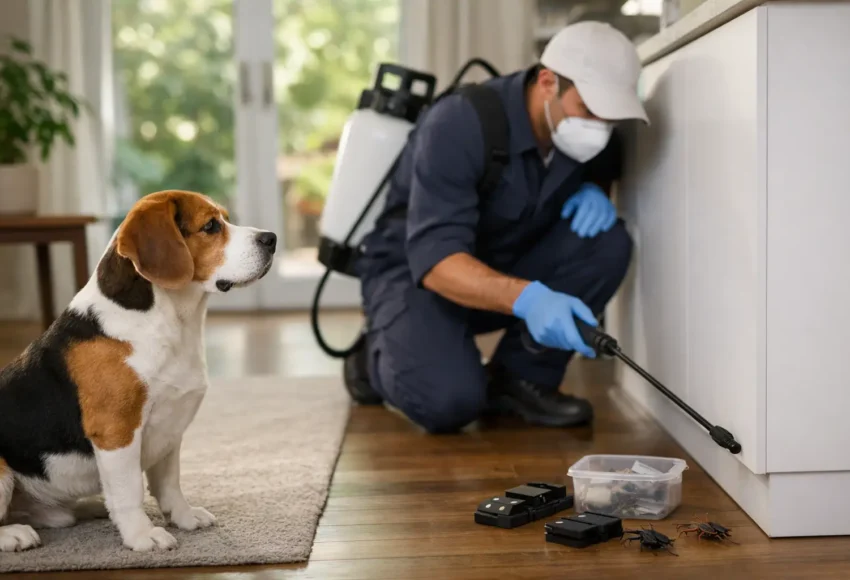
A mouse dropping behind the stove, ants around the pet-food bowl, or a wasp nest over the back door can make any pet owner worry. This guide to pet safe pest treatments explains how to get control of the pest problem without creating a new risk for your dog, cat, bird, or other animal. The right approach is not simply using the strongest product available. It is choosing the treatment, placement, timing, and follow-up that fit your home.
What Pet-Safe Pest Treatment Really Means
Pet-safe does not mean a treatment is harmless in every situation. It means the pest control plan is designed to reduce exposure while still solving the infestation. That may involve low-toxicity products, targeted application, enclosed bait stations, physical removal, sealing entry points, and clear instructions about when pets can return to treated areas.
A treatment can be appropriate for one household and unsuitable for another. A dog that chews everything, a cat that walks across kitchen counters, a free-roaming rabbit, or a curious toddler all change the safety plan. Tell your pest control technician about every animal in the property, including fish tanks, reptiles, birds, and outdoor pets. Small details matter.
The safest result usually comes from using the least amount of product needed in the right location. Spraying an entire room for a small ant trail is rarely the best first move. Finding where ants are entering, removing food sources, and applying a targeted treatment where pets cannot reach it is more effective and creates less unnecessary exposure.
Start With Pest Prevention Before Products
Prevention will not remove every active infestation, but it reduces the amount of treatment your home needs. This is especially valuable when pets live indoors.
Keep pet food in sealed containers rather than open bags in the garage or pantry. Pick up food bowls after meals when possible, wipe up spilled water, and clean crumbs around feeding stations. Rodents, cockroaches, ants, and pantry pests are all drawn to easy food and water.
Inspect the outside of the home as well. Mice and rats can enter through surprisingly small gaps around utility lines, vents, foundations, and garage doors. Repair damaged screens, add door sweeps, and store firewood or clutter away from exterior walls. These steps help reduce pest pressure without putting anything into your pet’s environment.
For fleas and ticks, the plan also includes the pet. Follow your veterinarian’s advice on pet-specific prevention, then treat the indoor environment only when it is necessary. Household treatments alone will not solve a flea problem if pets continue to bring fleas inside.
Choose the Right Method for the Pest
Different pests require different tools. A safe plan should never treat every pest as if it were the same problem.
Mice and Rats
Rodent control needs extra care in homes with dogs and cats. Loose poison bait is not a pet-safe option. Pets may eat the bait directly, and some may be exposed by catching a poisoned rodent. If bait is needed, it should be placed only in tamper-resistant, secured stations that pets cannot access. Even then, placement and monitoring matter.
In many cases, trapping, entry-point sealing, sanitation, and removal of nesting material can greatly reduce reliance on rodenticides. Traps must still be placed where pets cannot reach them, such as protected stations, inaccessible areas, or locations selected by a trained technician. If you suspect your pet has eaten bait or a dead rodent, contact a veterinarian right away.
Ants and Cockroaches
For ants and cockroaches, baiting is often more targeted than broad surface spraying. The pest carries the bait back to the nest or hiding area, helping address the source rather than only the insects you see. However, bait products must be installed in cracks, voids, enclosed stations, or other locations that are not accessible to pets.
Do not wash away or move professionally placed bait without asking first. You may remove the treatment before it has time to work. Instead, keep pets away from the placement area and continue cleaning up food, grease, and moisture that supports the infestation.
Wasps, Hornets, and Spiders
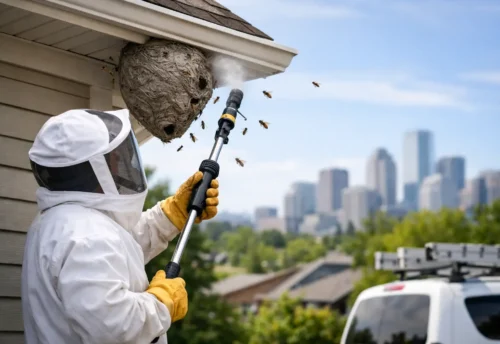
A visible wasp or hornet nest is not a do-it-yourself job when pets use the yard. Disturbing a nest can trigger a defensive swarm, putting people and animals at risk. Keep dogs away from the area, avoid mowing or trimming nearby, and arrange professional removal. Once the nest is handled, ask when it is safe for pets to return to that part of the property.
Spider treatment often begins with reducing the insects spiders eat. Clearing webs, sealing gaps, limiting outdoor lighting that attracts bugs, and treating hiding areas selectively can make a real difference. A pet-safe plan focuses on precise applications rather than unnecessary indoor spraying.
Bed Bugs and Fleas
Bed bug treatment can involve detailed inspection, vacuuming, laundering, heat, targeted products, and repeat visits. Pets should not be used to inspect rooms or left in treatment areas. Follow all preparation instructions carefully, especially for bedding, pet beds, crates, and toys.
With fleas, vacuuming carpets, upholstery, baseboards, and pet resting areas is a major part of control. Empty the vacuum outside afterward. Wash pet bedding in hot water when the fabric allows it, and ask your veterinarian what flea prevention is right for your animal. Skipping pet treatment often leads to a frustrating cycle of reinfestation.
Questions to Ask Before a Treatment
You deserve clear answers before anyone treats your home. Ask what pest has been identified, where the treatment will be placed, and whether it is accessible to pets. Ask whether you need to remove food bowls, toys, bedding, litter boxes, cages, or aquariums before service.
Also ask how long pets must stay away from treated areas. The answer depends on the product and application method. Some treatments require pets to remain out of a room until surfaces are fully dry. Others involve no indoor application at all. Never guess based on what a neighbor did or what you saw online.
If you have birds, fish, reptiles, or small mammals, speak up before the appointment. Birds can be especially sensitive to airborne products, while aquariums may need to be covered and their air systems managed according to the technician’s directions. A good provider will adjust the service plan instead of offering a one-size-fits-all answer.
What to Do on Treatment Day
A little preparation makes the service safer and more effective. Put pets in a secure, comfortable area away from the technician’s work zone, or arrange for them to stay with a trusted person if the service requires it. Keep leashes, carriers, and crates ready so pets are not accidentally let loose during an inspection.
Remove pet food, water bowls, and toys from areas being treated. Do not leave a pet in a room just because it seems calm. Cats can slip into closets, dogs can lick baseboards, and small animals may be overlooked in cages or tanks. Confirm the re-entry instructions before the technician leaves.
After treatment, do not scrub treated cracks, baseboards, or bait placements unless you have been told it is safe to do so. You can still maintain normal cleanliness in untreated areas. If your pet shows unusual drooling, vomiting, tremors, trouble breathing, weakness, or behavior changes after possible exposure, contact a veterinarian or emergency animal clinic immediately and provide the product information if available.
Avoid These Common Mistakes
The biggest mistake is trying several store-bought products at once. Mixing sprays, foggers, powders, and bait can increase exposure while making it harder to tell what is working. Foggers are particularly poor at reaching pests hidden in wall voids, under appliances, or deep inside furniture, and they can spread product across areas where pets walk and rest.
Another mistake is assuming natural means safe. Essential oils and plant-based products can still irritate skin, affect breathing, or be toxic when ingested by certain pets. Never apply a household pest product directly to an animal unless it is specifically labeled for that species and use.
Finally, do not wait until a small issue becomes a large infestation. Early treatment is usually more targeted, less disruptive, and easier to manage safely around pets.
Get Fast Help Without Guesswork
If pests are active around your pet’s food, bedding, play area, or outdoor run, professional help can take the uncertainty out of the situation. Discount Pest Control provides fast, discreet service and can discuss pet-safe options before treatment begins. For homeowners, landlords, and small businesses in York Region, a clear treatment plan can protect the people and animals on the property while stopping the pest problem at its source.
Your pet does not need to share a home with scratching sounds, biting insects, or unsafe DIY products. Keep the area calm, follow the technician’s instructions closely, and choose a plan that solves the infestation without asking your animals to take the risk.

Pingback: When You Need a Discreet Pest Control Service - Pest Control Ontario Exterminators