
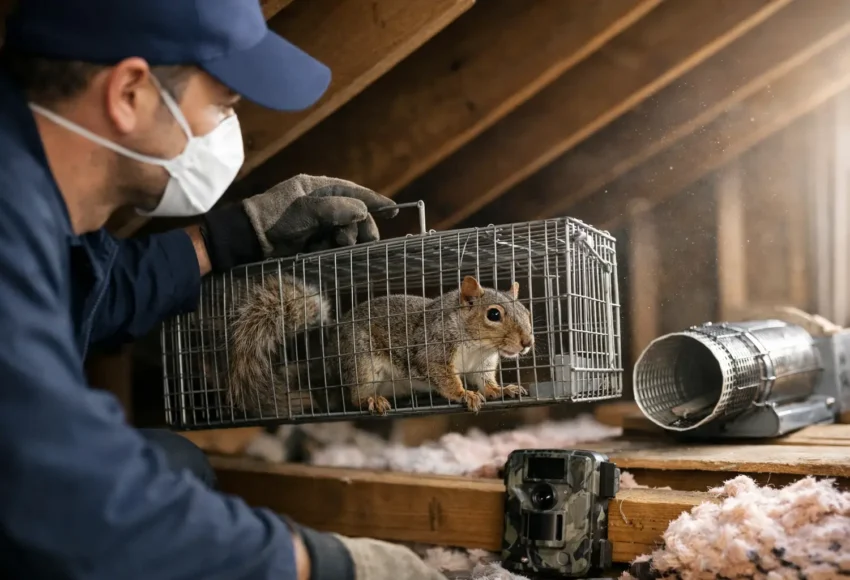
Squirrel Removal Attic Service That Stops Return Visits
Scratching over the ceiling at sunrise is rarely a problem that fixes itself. A squirrel removal attic service addresses the animal you hear, but it should also address the opening that let it in, the damage it left behind, and the conditions that could invite another squirrel back.
For homeowners, landlords, and property managers, an attic squirrel problem can feel urgent for good reason. Squirrels chew, nest, and move quickly through small gaps around rooflines, vents, soffits, and chimneys. The sooner the entry point is found and handled correctly, the less likely the issue is to become a costly repair.
Why squirrels choose attics
Attics offer exactly what squirrels look for: shelter from weather, protection from predators, and quiet material for nesting. A loose soffit panel, damaged roof vent, uncapped chimney, or gap at the fascia may be all a determined squirrel needs. They can enlarge weak openings with their teeth, especially where wood has softened from moisture or prior damage.
The problem often becomes more noticeable in late winter and spring, when squirrels may look for a protected place to raise young. Fall can also bring activity as they seek warmer shelter. That said, squirrels can enter a building at any time of year if there is access.
An attic is not automatically the source just because you hear noise above the ceiling. Raccoons, mice, rats, birds, and even branches rubbing on the roof can create similar sounds. A professional inspection matters because the right solution depends on identifying the animal, its entry route, and whether young may be present.
Signs you may need squirrel removal attic service
Squirrels are usually active during daylight, particularly in the early morning and late afternoon. You may hear quick scurrying, scratching, rolling noises, or short bursts of chewing in the attic or upper walls. Their movement can sound lighter and faster than a raccoon, although noise alone is not enough for a reliable identification.
Other warning signs can include fresh damage around vents or roof edges, wood shavings near a suspected opening, disturbed insulation, droppings in the attic, or a persistent musky odor. Outside, you may notice squirrels repeatedly climbing a downspout, crossing utility lines, or disappearing near the same section of the roof.
Do not try to seal an opening as soon as you spot it. If a squirrel is still inside, closing the hole can trap it in the attic or force it to search for a new exit through walls, ceilings, or living areas. If there are babies inside, separating them from the mother can create a more serious animal welfare and odor problem.
What professional attic squirrel removal should include
Fast removal is valuable, but a proper service is more than setting a trap or patching a visible hole. The goal is to resolve the immediate activity without creating a repeat visit a few weeks later.
Inspection and identification
A technician begins by inspecting accessible attic areas and the outside of the structure. They look for rub marks, chew damage, tracks, nesting material, droppings, and the routes squirrels use to reach the roof. Roof edges, vents, chimney areas, siding transitions, and utility entry points all deserve careful attention.
This step also helps determine whether the squirrel is likely using the attic as a daytime shelter, an active nest site, or a travel route. If young are suspected, the removal plan may need to be adjusted so animals are not separated improperly.
Humane removal and controlled exit
When squirrels are active inside, the safest approach often involves a controlled one-way exit device installed over the confirmed entry point. This allows the animal to leave while preventing it from re-entering. The exact method depends on the structure, the season, and the presence of young.
This is why do-it-yourself trapping can be risky. A homeowner may catch one squirrel while missing another animal, an alternate entry point, or a nest. Relocation is not a simple answer either. Local requirements, animal welfare concerns, and the risk of leaving dependent young behind all need to be considered.
Exclusion work that holds up
Once the attic is confirmed clear, entry points need to be secured with durable materials suited to the location. Proper exclusion may involve reinforcing vents, repairing damaged soffits or fascia, securing gaps at rooflines, and addressing vulnerable construction areas.
The trade-off is straightforward: a quick patch may cost less upfront, but it can fail when a squirrel chews through weak material or finds an overlooked gap nearby. Effective exclusion focuses on how squirrels actually access the home, not just on the hole that was easiest to see from the ground.
Cleanup and damage assessment
Squirrels can tear insulation apart to build nests and leave droppings, urine, food debris, and chewed materials behind. In some cases, the damage is limited to a small area. In others, insulation, wiring, ductwork, or stored belongings may need attention.
A professional can explain what was found and whether cleanup, sanitation, insulation removal, or repairs are recommended. Electrical wiring deserves particular caution. If chewing is visible near wires, contact a qualified electrician as well. Wildlife removal resolves the animal issue, but damaged wiring must be evaluated for fire safety.
Why waiting can make attic damage worse
A squirrel will not necessarily stay in one place. Once inside, it may travel along framing, wall voids, and insulation, creating noise in different rooms and making the source harder to track. Chewing can also expand from the original entry point to nearby materials.
The longer activity continues, the more likely you are to face contaminated insulation, persistent odors, and structural damage around the roofline. For rental properties and commercial spaces, the issue may also affect tenant comfort, maintenance planning, and the appearance of the building.
There is another practical concern: an open entry point can become a shared doorway. Even after one squirrel leaves, birds, mice, bats, or other wildlife may use the same weak spot if it is not properly secured.
What you can do before help arrives
Keep activity around the suspected area low and avoid entering a cramped attic without proper protection. Do not place poison in the attic or block holes with foam, rags, or loose materials. These approaches can lead to dead animals in inaccessible spaces, worsening odors, and new damage when trapped squirrels chew for an escape route.
If you can safely observe from outside, note where squirrels are entering and leaving, what time you hear activity, and whether you see more than one animal. Photos of visible roof or vent damage can also help explain the situation. Keep pets away from any animal that has entered a garage, porch, or living space.
Trim branches that touch or overhang the roof when it is safe to do so, but do not assume tree trimming alone solves the problem. Squirrels are agile and may still reach a roof from fences, utility lines, or nearby structures. Exclusion remains the key to long-term protection.
Discreet help for active wildlife problems
Wildlife activity at home can be stressful, especially when you are worried about noise, property damage, or neighbors noticing a service visit. Discount Pest Control provides prompt, discreet service using unmarked vehicles, with removal plans tailored to the building and the specific wildlife issue.
For homes and properties in York Region, a quick inspection can replace guesswork with a clear plan: identify the entry point, remove the squirrel safely, secure vulnerable areas, and explain any cleanup or repair concerns. Asking for help early is usually more affordable than waiting for a small roofline gap to become an attic repair project.
If you are hearing daytime scratching overhead, treat it as a reason to inspect, not a reason to panic. The right response protects the animals, your property, and the quiet comfort your attic is supposed to provide.
Leave a Comment