
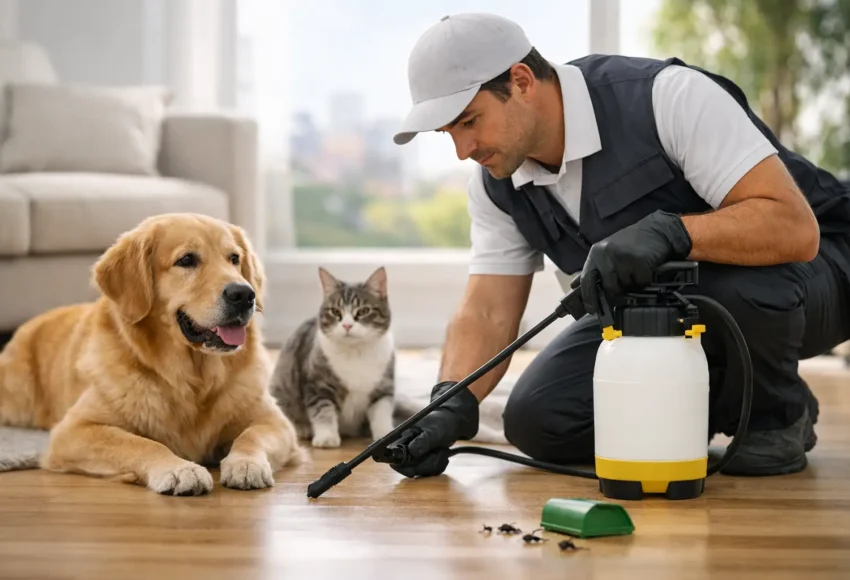
A Guide to Pet Safe Extermination at Home
A dog sniffing along the baseboards or a cat investigating a bait station can turn an already stressful pest problem into a safety concern. This guide to pet safe extermination explains how to get control of mice, ants, cockroaches, bed bugs, and other pests without taking unnecessary risks with the animals in your home.
Pet-safe pest control does not mean ignoring an infestation or relying on weak solutions that do not work. It means choosing the right treatment, placing it correctly, following preparation instructions, and dealing with the source of the problem so pests do not keep coming back.
What Pet-Safe Extermination Actually Means
No pest treatment is completely risk-free when it is used carelessly. Even products labeled for household use can be harmful if a pet eats them, walks through a wet application, or reaches an unsecured trap or bait station. The goal is controlled exposure: treatment is applied only where needed, in the smallest effective amount, and in locations pets cannot access.
A professional approach usually combines inspection, exclusion, sanitation, monitoring, and targeted treatment. That matters because broad spraying is not the answer to every pest problem. For example, sealing a mouse entry point and placing protected traps in a concealed area may be safer and more effective than putting poison throughout a home. For ants, finding the nesting area and using secured bait in an inaccessible location often works better than spraying the trails your pet walks across.
The right plan depends on the pest, the severity of the infestation, the layout of your property, and the animals living there. A home with a curious puppy needs different precautions than a commercial property with no animals on site overnight.
Start With the Pest, Not the Product
The safest treatment begins with correct identification. Using the wrong product can create extra exposure for pets while doing little to solve the issue.
Mice and rats may leave droppings, gnaw marks, shredded nesting material, and sounds in walls or ceilings. Cockroaches often hide near kitchens, appliances, drains, and warm dark cracks. Bed bugs are usually found near sleeping areas, mattresses, bed frames, or upholstered furniture. Wasps and hornets require special caution because disturbing a nest can cause stings for both people and pets.
If you are not sure what you are seeing, avoid treating based on a guess. A pet may be harmed by a product intended for one type of pest, while the real pest remains active. This is especially common with rodents and insects that are mistaken for each other, such as carpenter ants versus termites or fleas versus bed bugs.
Keep Pets Away From Treatment Areas
Before any treatment, move food bowls, water dishes, toys, beds, litter boxes, cages, and pet supplies away from the work area. Do not assume a product is safe simply because it is dry or out of sight. Cats, dogs, birds, reptiles, and small mammals explore spaces differently, and some are more sensitive than others.
Follow the instructions you are given about how long pets should stay out of treated rooms. In many cases, pets can return once an application has dried and the area has been ventilated as directed. However, the timing can vary by treatment type. A targeted crack-and-crevice application, a bed bug service, and a flea treatment each have different preparation and re-entry requirements.
If your pet has respiratory problems, is very young, elderly, pregnant, or has a medical condition, tell your pest control provider before treatment begins. Birds, fish, and reptiles deserve particular attention. Fish tanks may need to be covered and aeration equipment temporarily managed according to the technician’s instructions. Birds can be sensitive to airborne products, so they may need to be moved entirely from the treatment area.
Never Leave Rodent Bait Where Pets Can Reach It
Rodent activity can feel urgent, especially when you hear scratching at night or find droppings in the pantry. But loose poison blocks, pellets, or homemade bait mixtures are not a pet-safe solution. Dogs may eat them directly, and cats may be exposed by catching a poisoned rodent.
When bait is necessary, it should be placed in tamper-resistant, secured stations designed to reduce access. The station location matters as much as the station itself. Professionals may also recommend trapping, entry-point sealing, and removing food sources to reduce the need for bait.
If you suspect your pet has eaten rodent bait or a dead rodent, contact an emergency veterinarian immediately. Keep any product packaging available so the veterinary team can identify the active ingredient. Do not wait for symptoms to appear.
Choose Methods That Reduce Exposure
A practical pet-safe extermination plan often uses several lower-exposure methods before or alongside chemical treatment. These steps also make professional service more effective.
For rodents, store dry food in sealed containers, clean crumbs from under appliances, repair gaps around pipes, and keep pet food from sitting out overnight. Mice can enter through surprisingly small openings, so exclusion is essential for lasting results.
For cockroaches and ants, clean grease, spills, and crumbs from kitchens, empty garbage regularly, fix leaks, and reduce clutter around sinks, appliances, and storage areas. Insects need food, moisture, and shelter. Removing those conditions limits the population and helps targeted baits work better.
For fleas, treatment often involves both the home and the pet. Vacuum carpets, furniture, cracks along baseboards, and pet resting areas frequently. Wash pet bedding on the hottest safe setting. Speak with your veterinarian about an appropriate pet flea treatment, because treating only the room while leaving the pet untreated usually leads to reinfestation.
For bed bugs, do not use bug bombs, alcohol sprays, or random powders around beds and pet areas. These approaches can spread bugs deeper into hiding places, create fire risks, and expose pets to unnecessary chemicals. A planned bed bug treatment is far more reliable.
Questions to Ask Before Hiring an Exterminator
You should never feel uncomfortable asking how a treatment will affect your pets. A reliable company will explain the process clearly, including what it treats, where it will be applied, what preparation is needed, and when your household can safely return to normal use of the space.
Ask whether the plan uses targeted treatments instead of unnecessary whole-room spraying. Ask where traps or bait stations will be placed, how they will be secured, and whether exclusion work is part of the rodent plan. If recurring service is recommended, ask what monitoring will be done between visits and what results you should expect.
For homes in York Region dealing with urgent pests, Discount Pest Control can provide a tailored approach that considers pets, children, the active pest, and the areas that need protection. Fast service should not mean rushed or careless treatment.
A Pet-Safe Plan for Common Pest Emergencies
Some situations require immediate action, but that does not mean you need to put your pet at greater risk.
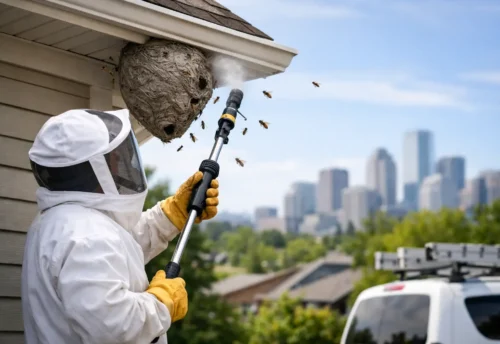
If you find a wasp or hornet nest near a dog run, patio, shed, or doorway, keep pets indoors and do not spray the nest yourself. Agitated stinging insects can attack in groups, and pets may be stung repeatedly if they investigate.
If you see a mouse in the kitchen, pick up pet food, block access to the area if possible, and avoid placing loose poison or snap traps where an animal can reach them. If a trap is used temporarily, it must be placed inside a protective trap box or in a truly inaccessible location.
If cockroaches are visible during the day, the activity may be more established than it appears. Keep pets away from affected cabinets and appliance areas, remove accessible food, and get the infestation assessed. Do not keep applying store-bought sprays where your pet eats, sleeps, or walks.
If bed bugs are suspected, do not move pet beds, blankets, or furniture into other rooms. That can spread the infestation. Contain items as instructed and arrange professional inspection and treatment.
After Treatment: Protect the Result
Once treatment is complete, keep following the prevention steps that support it. Recheck for new gaps around doors, utility lines, vents, and foundations. Store food securely, manage moisture issues, and monitor the places where activity first appeared.
Watch your pet as you normally would after service. If you notice unusual drooling, vomiting, tremors, breathing changes, weakness, or behavior that concerns you, contact a veterinarian and provide details about the treatment. Serious reactions are uncommon when products are correctly used and pets are kept out of restricted areas, but quick action is always the right choice when something seems wrong.
A pest-free home should also be a home where your pets can relax safely. With careful preparation, protected placement, and a treatment plan built around the real problem, you do not have to choose between effective extermination and the animals you love.

Leave a Comment