
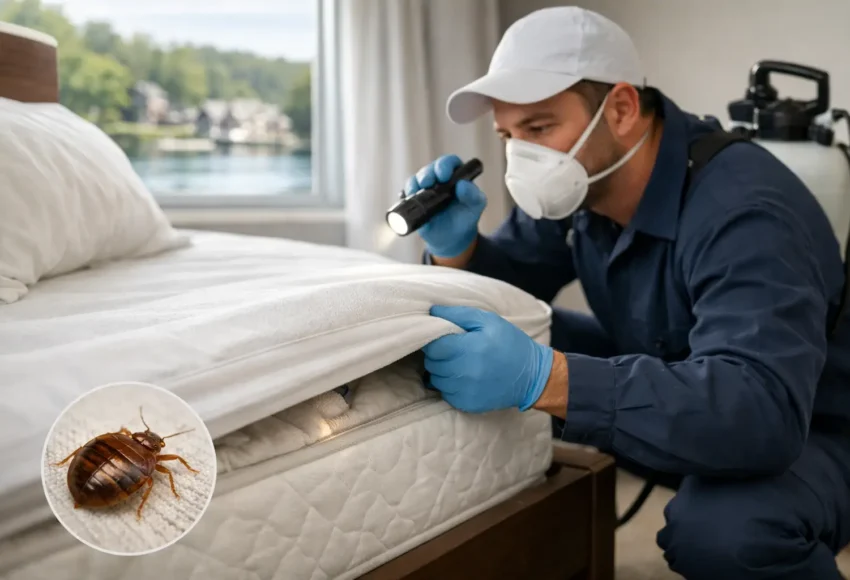
Bed Bug Treatment Keswick That Works Fast
A bed bug problem can feel personal, even though it is not a sign of an unclean home. These pests can arrive in luggage, on secondhand furniture, through shared walls, or from a guest’s belongings. If you are looking for bed bug treatment Keswick residents can count on, the priority is simple: stop the bites, treat the whole infestation, and avoid letting it spread to another room, unit, or property.
Bed bugs are small, hard to spot, and very good at hiding. Waiting to see if the problem goes away usually gives them more time to reproduce. Fast, discreet professional help gives homeowners, tenants, landlords, and business owners a clearer path forward without unnecessary stress.
When Bed Bugs Need Professional Treatment
Bed bug bites are often the first clue, but bites alone do not confirm an infestation. Some people have no skin reaction at all, while others notice itchy welts in lines or clusters after sleeping. More reliable signs include small dark spotting on mattress seams, tiny pale shed skins, blood marks on bedding, or live bugs tucked into cracks around the bed frame, baseboards, upholstered furniture, and electrical outlets.
A single bed bug should be taken seriously. Bed bugs do not stay neatly contained in one mattress. They can move into nearby furniture, closets, bags, and adjoining rooms. In apartments, condos, and multi-unit properties, they may travel through wall openings and utility areas.
Store-bought sprays may kill bugs that are directly hit, but they rarely solve an established infestation on their own. They can also drive bed bugs deeper into hiding places, making the situation harder to assess. Effective treatment needs to address active bugs, hidden bugs, and eggs, then include follow-up steps when the infestation level calls for it.
How Bed Bug Treatment Keswick Homes Can Rely On Works
A proper service starts with an inspection. The technician checks the places bed bugs commonly hide and looks at how far the activity may have spread. This matters because the right approach for a recently introduced bed bug is not always the same as the approach for a long-standing infestation affecting multiple rooms.
Treatment may involve carefully applied professional products, targeted work around beds and furniture, and recommendations for laundering, vacuuming, and reducing clutter. Eco-friendly options may be available depending on the property, the level of activity, and the treatment plan. The goal is to use a method that is effective while keeping the needs of children, pets, tenants, and staff in mind.
Preparation is part of the process, but it should not turn into panic-cleaning. Throwing furniture away without guidance can spread bed bugs through hallways, elevators, or curbside pickup. Moving belongings from an affected room into another part of the home can create a larger problem. Your pest control professional should explain exactly what needs to be done before treatment and what can stay in place.
At Discount Pest Control, service is designed to be practical and discreet. Unmarked vehicles can help customers deal with a sensitive issue without drawing attention from neighbors, tenants, or customers.
What to do before your appointment
Follow the instructions you receive for your specific property. In many cases, preparation includes washing and drying bedding, clothing, and soft items on appropriate heat settings, then placing cleaned items in sealed bags or bins. Do not return them to an untreated area until you are told it is safe to do so.
Vacuum floors, mattress seams, bed frames, and upholstered furniture where directed. Empty the vacuum contents into a sealed bag and remove it from the property right away. Keep beds slightly away from walls if possible, and avoid sleeping in a different room unless your technician tells you otherwise. Continuing to use the bed can help keep activity concentrated rather than encouraging bugs to follow you elsewhere.
If you manage a rental unit or business, communicate early and clearly with the people affected. Bed bug issues are easier to contain when everyone follows the same preparation and monitoring instructions.
Why DIY Bed Bug Control Often Falls Short
Do-it-yourself efforts are understandable. Most people want immediate relief and hope a spray, fogger, or mattress cover will handle the problem. The trouble is that bed bugs are built to survive missed spots. They hide in narrow gaps, can go for extended periods without feeding, and may avoid areas treated with the wrong product.
Foggers are a common disappointment. They do not reliably reach the deep seams and cracks where bed bugs hide, and they may spread insects into new areas. Rubbing alcohol, essential oils, and other home remedies are also unreliable and can create safety concerns when used incorrectly.
Mattress encasements can be useful as part of a complete plan, but they are not a stand-alone cure. The same is true for interceptor traps and frequent vacuuming. These tools can support treatment and help with monitoring, yet they do not replace a thorough professional service.
Protecting Your Home After Treatment
After treatment, continued cooperation makes a real difference. Keep sleeping areas tidy enough to inspect, avoid bringing used furniture into the home without checking it carefully, and be cautious after travel. When staying in a hotel or visiting another property, inspect luggage racks and keep suitcases off beds and upholstered chairs where possible.
Once home, unpack directly into the laundry area when practical. Dry travel clothing on heat if the fabric allows, and inspect luggage seams before storing it. These habits are not about living in fear. They are simple ways to reduce the chance of bringing an unwanted pest indoors.
For property managers, prevention also means responding quickly to reports. Delays can allow bed bugs to spread between units, increase preparation needs, and cause more disruption for tenants. A prompt inspection and clear plan protect both residents and the property.
Choosing a Bed Bug Exterminator in Keswick
When comparing providers, look beyond a low starting price. Ask whether the company performs an inspection, explains the treatment plan in plain language, provides preparation guidance, and discusses whether follow-up may be needed. You should also feel comfortable asking about treatment safety for children and pets, discreet service options, and what signs to watch for after the visit.
The lowest quote is not always the lowest total cost if it only addresses part of the problem. On the other hand, a larger treatment plan is not automatically necessary for every situation. The right recommendation depends on the size of the affected area, how long the infestation has been present, the type of property, and whether bed bugs may be moving between units.
A dependable local provider should make the next step easy. You need direct answers, timely scheduling, and a plan that respects your home or business. If bites, spotting, or live bugs have you worried, arrange an inspection promptly. Getting clear information early can prevent a small bed bug problem from becoming a larger, more expensive disruption.


Leave a Comment