
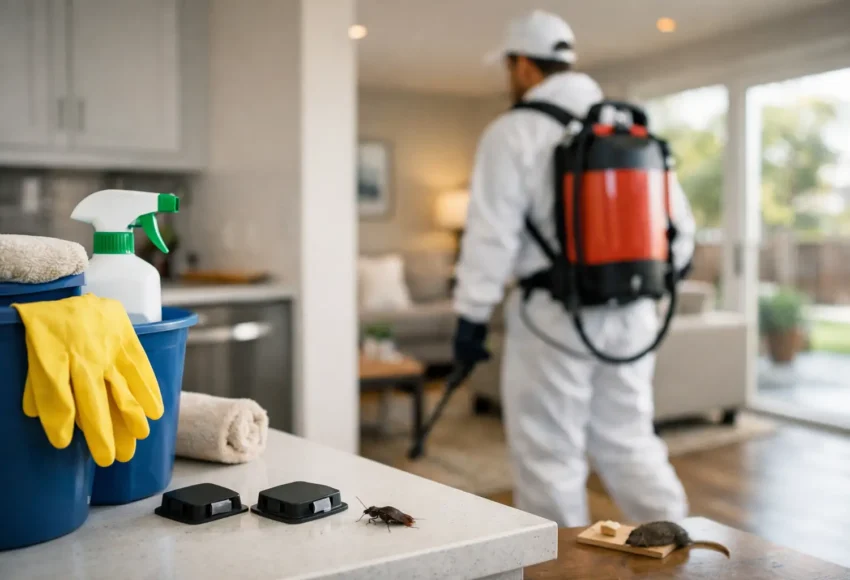
How to Prep Home for Exterminator Visit
When you have pests in the house, the last thing you want is to guess your way through treatment day. Knowing how to prep home for exterminator visit can make the service faster, safer, and more effective. It also helps your technician get to the problem areas right away instead of losing time moving clutter, clearing access, or working around pets and personal items.
The exact prep work depends on what pest you are dealing with. A home visit for mice is different from a treatment for bed bugs, and a wasp nest outside calls for a different approach than a cockroach problem in the kitchen. Still, there are a few basics that almost always help, and then there are pest-specific steps that matter a lot.
Why it matters to prep home for exterminator visit
Preparation is not about making your home look perfect. It is about giving the treatment the best chance to work. If baseboards are blocked, cabinets are packed too tightly to inspect, or laundry and storage items are spread across the floor, the technician may not be able to reach the places where pests hide.
Good preparation also reduces repeat visits caused by missed hotspots. In some cases, it can help protect your belongings and prevent contamination of food, dishes, pet supplies, or children’s items. If you are dealing with a rental unit or a small business, prep also helps keep the service organized and discreet.
Start with the instructions from your pest control company
Before you move anything, read any prep sheet or appointment notes you were given. This should always come first. Different products, pest types, and treatment methods call for different steps, and there is no one-size-fits-all checklist.
For example, some services may require you to leave the home for a few hours. Others may only require pets and children to stay out of the treatment area until it is dry. If you were not given clear instructions, ask before the appointment. A quick call can save you a lot of unnecessary work.
General steps to take before the technician arrives
Most pest control visits go more smoothly when the home is reasonably tidy and the key problem areas are accessible. That does not mean deep cleaning every room. It means removing obstacles.
Clear the floor along walls where possible, especially in kitchens, basements, utility rooms, and storage areas. If you have boxes, bags, toys, or piles of clothing pushed against the wall, move them a few feet away so inspection and treatment can happen.
In the kitchen, put away exposed food, store pet food in sealed containers, and clear countertops. If treatment may involve cabinets, empty the affected ones if instructed to do so. Dishes, utensils, and small appliances should be put away or covered if your technician recommends it.
Vacuuming can help in many situations, especially for spiders, ants, cockroaches, and general insect activity. But there is a trade-off. You want the space clean enough to inspect, but not so aggressively cleaned that you remove evidence the technician needs to see. If you notice droppings, shed skins, or active trails, it can be useful to leave some signs in place and point them out.
How to prepare pets, kids, and sensitive items
If you have dogs, cats, birds, reptiles, or small animals, plan ahead. Even when treatments are selected with family and pet safety in mind, animals should be kept away from active work areas. Fish tanks may need special attention because airborne products can affect them.
Children’s toys, pacifiers, pet bowls, and bedding should be moved away from treatment zones unless your technician tells you otherwise. The same goes for toothbrushes, medications, and uncovered personal care items in bathrooms.
If someone in the home has asthma, chemical sensitivities, or another health concern, say so before the visit. That does not always change the treatment plan, but it can affect product choice, timing, and how long you should stay out of the area.
Prep depends on the pest
Rodents
If you are getting service for mice or rats, access matters more than appearance. The technician will likely need to inspect behind appliances, under sinks, around utility lines, in the basement, attic, garage, or crawl spaces.
Pull items away from walls in known problem areas and make sure droppings or gnaw marks are easy to inspect. Do not seal entry holes yourself right before treatment unless you were told to. Closing the wrong gap too early can trap rodents inside walls or push them into new parts of the home.
It also helps to reduce food sources. Clean crumbs, secure pantry goods, and avoid leaving pet food out overnight. For homes dealing with repeated activity, this is often just as important as the treatment itself.
Bed bugs
Bed bug preparation is usually the most detailed. If you need to prep home for exterminator visit for bed bugs, expect more laundry, bagging, and room-by-room work than with most other pests.
Bedding, clothing, and soft items may need to be washed and dried on high heat, then sealed in clean bags. Beds usually need to be pulled away from walls. Clutter around sleeping areas should be reduced so the technician can inspect baseboards, bed frames, furniture seams, and nearby cracks.
One important warning: do not start moving infested items all over the house. That can spread bed bugs into clean rooms. If a mattress, couch, or bag of laundry may be affected, keep it contained and follow the instructions you were given.
Cockroaches and ants
For kitchen and pantry pests, sanitation and access are the biggest factors. Empty the cabinets that show the most activity if requested. Clean grease, crumbs, and sticky spills from surfaces, but avoid using strong sprays or over-the-counter foggers right before a professional visit. Those products can scatter pests deeper into walls and make treatment harder.
Take out trash, fix obvious moisture issues if you can, and clear under sinks. Roaches in particular are drawn to water, so leaky pipes and damp cabinet bases are worth pointing out.
Wasps and outdoor pests
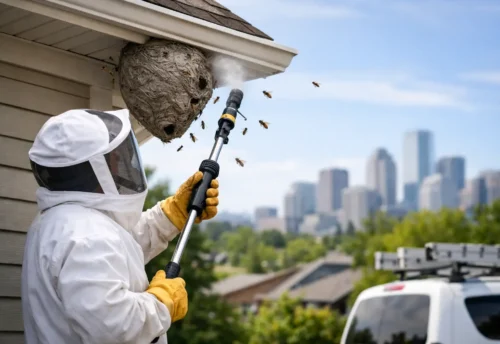
If the issue is a wasp nest, hornets, or another outdoor pest, preparation is usually simpler. Keep children and pets away from the area and do not try to knock down the nest or spray it with store-bought products before the technician gets there. Agitated wasps are more dangerous and harder to treat safely.
Make sure gates can be opened, ladders or access points are clear, and the technician knows where the nest has been seen. If the nest is near a roofline, shed, deck, or fence, trimming back heavy plants can help if it can be done safely.
What not to do before treatment
A lot of homeowners make the job harder by trying to solve everything the night before. Avoid setting off bug bombs, spraying random chemicals, or sealing every crack you can find without a plan. Quick fixes often spread pests, drive them into hidden areas, or interfere with professional products.
You should also avoid heavy mopping or washing treated surfaces immediately after service unless you are told it is fine. Some treatments need time to remain in place. If you clean too soon, you may reduce the results.
A few practical details people forget
Make sure someone over 18 is available if required. Secure parking access if your building or property has restrictions. If you live in a multi-unit building, notify management when needed, especially if shared walls or utility spaces may be involved.
It also helps to make a short note of what you have seen: where pests were active, what time of day, and how long the issue has been going on. That kind of information can save time and improve the treatment plan.
For homeowners and property managers in areas like Georgina, Keswick, Sutton, and nearby York Region communities, fast prep matters even more when you need a quick appointment. The more accessible the space is, the faster service can begin.
After the visit, follow the next-step instructions closely
Preparation does not end when the technician leaves. You may be told to wait before re-entering certain rooms, avoid washing treated areas, continue laundering items, or monitor traps and activity. Those instructions are part of the treatment, not an optional extra.
If follow-up service is recommended, keep the home prepared between visits as much as possible. Pest control works best when treatment and prevention go together. That means reducing clutter, sealing food, managing moisture, and reporting new activity early instead of waiting for it to get worse.
If you are unsure how to prep for your specific pest issue, ask before the appointment rather than guessing. A good pest control company will tell you exactly what matters, what does not, and how to get your home ready without extra stress. A little preparation goes a long way toward getting your space back to normal faster.
Leave a Comment