
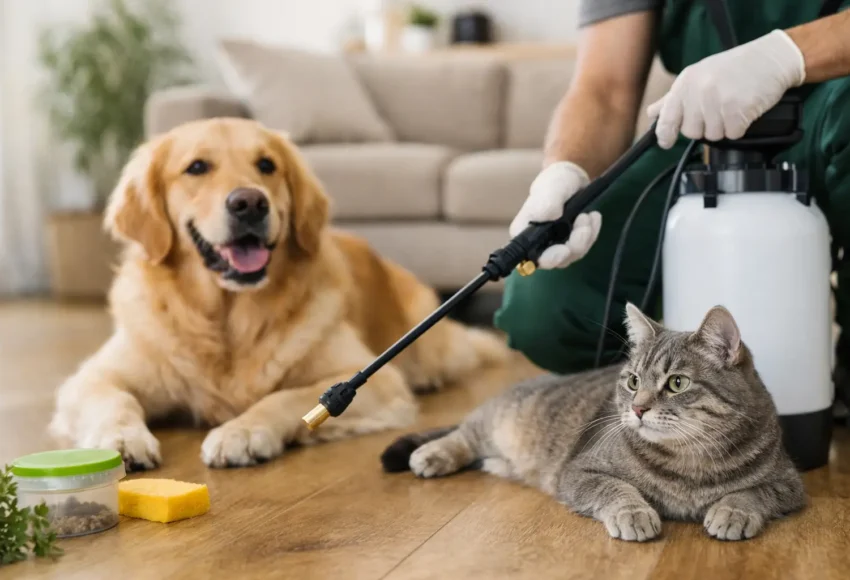
Safe Pest Control for Pets at Home
When you have a dog that licks the floor, a cat that hides under the couch, or a curious pet that sniffs every corner, pest treatment stops being a simple home maintenance issue. Safe pest control for pets means solving the pest problem without creating a new one inside your home.
That balance matters more than many people realize. Pets spend time where treatments are applied – along baseboards, near entry points, under sinks, around furniture, and in the yard. A product that works well for insects or rodents is not automatically safe for a pet. The right approach starts with the pest itself, the layout of the property, and how your animals live in the space.
What safe pest control for pets actually means
Safe does not mean no treatment at all. It means using the right method, in the right amount, in the right place, with the right precautions. That may include targeted applications, tamper-resistant bait stations, exclusion work, trapping, nest removal, sanitation recommendations, or eco-conscious products selected for occupied homes.
A pet-safe strategy also depends on behavior. A senior dog that stays in one room creates a different risk profile than a puppy that chews everything. An indoor cat has different exposure than a farm dog that moves between the yard and the house. Good pest control is never one-size-fits-all, especially when animals are part of the household.
The biggest risks pets face during pest treatment
Most problems happen when store-bought products are overused, mixed improperly, or placed where pets can reach them. Sprays applied too heavily on floors, loose rodent bait left in accessible areas, and DIY foggers used without proper planning can all create unnecessary risk.
Cats can be especially sensitive to certain ingredients. Dogs are more likely to chew bait blocks or investigate traps. Birds, rabbits, and other small pets may react to airborne products or residues faster than larger animals. Fish tanks can also be affected if treatment dust or spray drifts into the area.
This is why the safest plan is not just about product choice. It is about containment, placement, ventilation, timing, and clear instructions before anyone returns to the treated area.
Why DIY can get risky fast
A lot of homeowners start with products from a hardware store because they want a quick fix. That makes sense. The trouble is that many off-the-shelf treatments are designed for general use, not for homes with pets that sleep on the floor, lick surfaces, or squeeze into tight spaces.
DIY treatment can also miss the actual source of the infestation. If you spray visible ants but ignore the nest, or set traps for mice without sealing entry points, the problem often comes back. Then more product gets used, more often, and the risk to pets goes up while the pest issue stays active.
There is also the hidden problem of mixing methods. Homeowners may use one spray, one bait, and one powder at the same time, not realizing those products can interfere with each other or create exposure in multiple parts of the home. For pet owners, that trial-and-error approach can be costly.
The safest pest control methods often involve less chemical use
One of the most effective ways to protect pets is to reduce unnecessary chemical exposure from the start. In many infestations, the safest plan combines inspection, targeted treatment, and prevention instead of broad spraying.
For rodents, that might mean sealing gaps, removing food access, placing secured stations in strategic areas, and using traps where appropriate. For wasps, it may mean professional nest removal rather than repeated aerosol spraying near doors, decks, or rooflines. For bed bugs, treatment needs to be precise and systematic, because incomplete work usually leads to repeat exposure and repeat treatment.
That is where professional service makes a real difference. A trained technician can identify where pests are active, where pets spend time, and which treatment options create the least disruption while still solving the problem.
Safe pest control for pets by pest type
Rodents
Mice and rats create a serious concern for pet owners. Beyond the nuisance, they carry bacteria, contaminate food areas, and can leave droppings where pets roam. But rodent control has to be handled carefully because loose poison or poorly placed bait is one of the biggest household hazards for dogs.
The safer option is a controlled rodent management plan using tamper-resistant stations, exclusion work, and monitoring. In many cases, solving the access problem is just as important as removing the rodents already inside. If you are dealing with scratching in walls, droppings, or signs of nesting, professional rodent control is the safer route for homes with animals.
Wasps
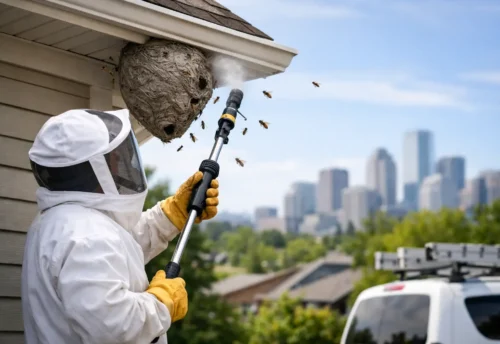
Wasps are dangerous for people and pets alike. Dogs often get stung after sniffing bushes, deck rails, sheds, or ground nests. Trying to knock down a nest yourself usually creates more risk, not less.
A professional wasp removal plan reduces the chance of direct contact and helps avoid spraying large amounts of product around common pet areas. If the nest is near an entry door, patio, or play space, fast removal matters.
Bed bugs
Bed bugs do not live on pets the way fleas do, but they still affect pet-friendly households. Treatment must account for pet bedding, sleeping areas, furniture, and room access during the process. The goal is to eliminate the infestation thoroughly so pets are not repeatedly exposed to treatment cycles or shifting bug activity.
A careful bed bug plan includes inspection, preparation guidance, and treatment instructions that help keep both people and animals safe.
Questions to ask before any treatment starts
If you have pets, do not be shy about asking direct questions. A dependable pest control company should be ready to explain what will be used, where it will be applied, how long pets need to stay out, and what preparation is required.
Ask whether the treatment is targeted or broad, whether bait will be secured, and whether there are special precautions for cats, birds, reptiles, or fish. If your pet has health issues, mention that early. The more your technician knows, the better the plan will fit your home.
This also helps reduce stress during urgent situations. If you are dealing with mice in the kitchen, wasps near the entrance, or another active issue, clear communication can make the response both faster and safer.
How to prepare your home for pet-safe treatment
Before treatment day, move pet bowls, toys, bedding, and crates away from the service area unless your technician tells you otherwise. Vacuuming and basic cleanup can help in some cases, but preparation depends on the pest, so follow the instructions you are given instead of guessing.
It is also smart to plan where your pets will stay during service. Some treatments only require temporary separation in another room. Others may call for pets to be out of the home for a few hours. If you have multiple animals, make sure each one is accounted for. The escape artist who bolts when the door opens can turn a routine appointment into a problem.
After service, only return pets to treated areas once the technician says it is safe. If there are follow-up steps, complete them on schedule. Rushing back into the space or ignoring guidance can affect both safety and results.
Local help matters when the problem is urgent
In places like Georgina, Keswick, Sutton, and nearby York Region communities, pest issues often need a fast response because families, tenants, and pets are all sharing the same space. Waiting too long can make the infestation worse, but choosing the wrong treatment can create avoidable risk.
That is why many homeowners look for a company that can respond quickly, explain the process clearly, and use methods that work in real occupied homes. Discount Pest Control handles pest problems with that practical balance in mind – effective treatment, clear safety guidance, and solutions that fit homes with pets.
When to call a professional right away
If your pet may have touched bait, licked a treated surface before it was safe, or eaten part of a pest product, contact your veterinarian immediately. Do not wait for symptoms.
You should also call a professional right away if you have recurring infestations, visible nests near pet areas, rodent activity in kitchens or basements, or if you have already tried DIY treatment without success. Repeated exposure to ineffective treatment is not safer just because it came from a store shelf.
The right pest control plan should give you relief, not leave you second-guessing whether your dog can walk through the room or your cat can curl up in her usual spot. If you need pest removal in a pet-friendly home, the safest move is to treat the issue early, ask clear questions, and work with a team that knows how to protect the whole household.
Leave a Comment