
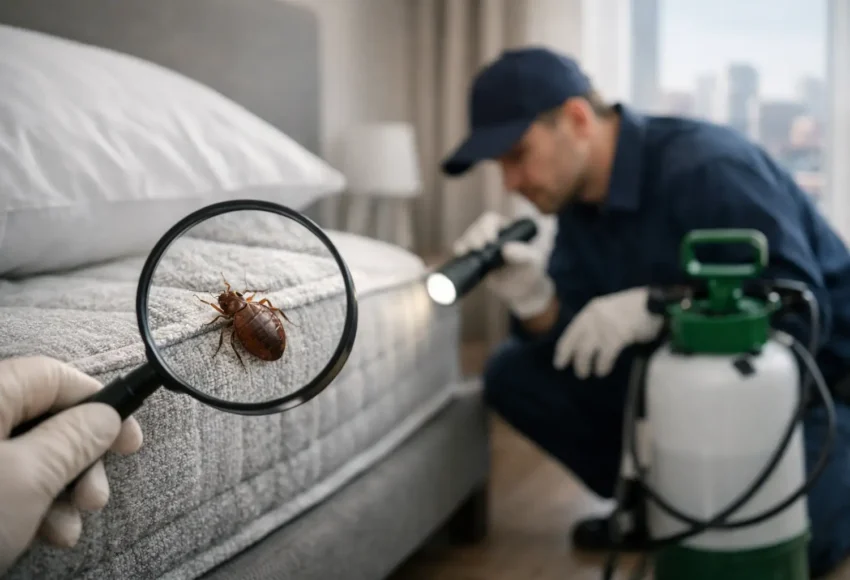
Guide to Bed Bug Treatment Options
Waking up with new bites for the third morning in a row can turn a small suspicion into a full-blown problem fast. If you are looking for a guide to bed bug treatment options, the most important thing to know is this: bed bugs rarely go away with one spray, one wash cycle, or one DIY trick. The right treatment depends on how widespread the infestation is, how quickly you need results, and whether you are dealing with a home, rental unit, or business.
What this guide to bed bug treatment options should clear up
A lot of people assume there is one best fix for every infestation. There is not. Some bed bug problems are limited to one room. Others have already spread into baseboards, furniture seams, nearby units, or employee break areas. That is why the best guide to bed bug treatment options does not promise a magic product. It helps you understand what works, where each method falls short, and when professional service makes more sense than trying to save money upfront.
Bed bugs are difficult because they hide well, reproduce steadily, and can survive in narrow cracks where store-bought products barely reach. They are also good at coming back when treatment is incomplete. If your goal is real control, not just temporary relief, you need a method that matches the size and severity of the problem.
Heat treatment for bed bugs
Heat treatment is one of the most effective options because it targets bed bugs at all life stages, including eggs, when done correctly. The idea is simple: professionals raise the temperature in the affected area high enough, and long enough, to kill bed bugs hiding in mattresses, furniture, cracks, and soft materials.
The biggest advantage is speed. In many cases, heat can reduce a serious infestation much faster than chemical-only treatment. It also avoids saturating sleeping areas with repeated product applications, which matters to families, tenants, and business owners who want a safer-feeling solution.
That said, heat is not a shortcut. It requires careful setup, monitoring, and room preparation. Some belongings may need to be removed or protected because high temperatures can damage certain items like candles, electronics, vinyl records, medications, and delicate plastics. Heat also has to reach every hiding spot. If the process is rushed or poorly balanced, cooler areas can let bed bugs survive.
Chemical treatment for bed bugs
Chemical treatment is still widely used, and in many situations it is the most practical option. A professional treatment plan may include targeted residual products applied to cracks, crevices, bed frames, baseboards, and other common hiding places. This approach is often more affordable than whole-room heat treatment and can work very well when handled by an experienced technician.
The trade-off is timing. Chemical treatment usually takes more than one visit, especially when the infestation is established. Eggs may hatch after the first service, which is why follow-up matters. Good treatment is not just about what gets applied on day one. It is about inspection, re-treatment where needed, and making sure the infestation is actually breaking down over time.
This option also depends heavily on cooperation. If clutter remains untouched, if infested items are moved from room to room, or if prep instructions are ignored, treatment becomes less effective. For homeowners and landlords trying to control costs, chemical treatment can be a smart choice, but only when the process is taken seriously.
Steam, encasements, and targeted non-chemical methods
Some infestations benefit from a mixed approach. Steam can kill bed bugs on contact when applied slowly and at the right temperature to seams, tufts, upholstered furniture, and edges of mattresses. Mattress and box spring encasements can trap surviving bugs inside and reduce future hiding spots. Vacuuming can help remove live bugs and debris before treatment begins.
These methods are useful, but they are support tools, not full solutions on their own for most active infestations. Steam does not leave behind any residual protection. Encasements do not solve bed bugs hiding in walls, nightstands, or nearby rooms. Vacuuming helps with reduction, not elimination. Used together with professional treatment, though, they can improve results.
What usually fails with DIY treatment
DIY efforts often start with good intentions and end with weeks of frustration. Foggers are a common example. People use them because they seem easy, but they often miss the cracks where bed bugs actually hide. Worse, they can push bugs deeper into walls or into neighboring rooms.
Over-the-counter sprays can also create a false sense of progress. You may kill a few visible bugs and still leave eggs and hidden populations untouched. Rubbing alcohol, essential oils, and internet remedies are even less reliable. Some are ineffective. Some are unsafe. A few can create fire or health risks if used improperly.
The bigger issue is delay. Every week spent on weak treatment gives bed bugs more time to spread. By the time many people call for help, the problem is no longer limited to the bed.
How to choose the right bed bug treatment option
The best choice depends on your situation. If you need the fastest possible knockdown and the infestation is significant, heat may be worth the higher upfront cost. If you are working within a tighter budget and can follow prep and follow-up carefully, chemical treatment may be the better fit. In some cases, the strongest plan combines methods.
Property type matters too. A single-family home gives more control over the environment than a duplex, apartment, hotel, or office. In multi-unit settings, inspection beyond the affected room is often necessary because bed bugs do not always stay where they were first noticed.
Sensitivity and privacy matter as well. Families with children, pets, or elderly relatives often want the safest practical treatment with clear instructions about re-entry and post-treatment care. Business owners and property managers often need discreet scheduling and a plan that limits disruption. That is one reason professional bed bug service is often less stressful than piecing together products on your own.
Preparation makes treatment work better
No matter which method is used, preparation plays a major role in success. Bedding, clothing, and soft items may need to be bagged, washed, and dried on high heat. Furniture often needs to be pulled away from walls. Clutter has to be reduced so technicians can access hiding places.
Preparation should never mean throwing everything out. In fact, dragging infested furniture through the home can spread the problem. Most beds, couches, and other items can be treated if they are structurally worth saving. What matters is following clear instructions and avoiding panic decisions that make the infestation harder to contain.
If you are dealing with a tenant turnover, guest complaint, or employee concern, fast action matters even more. Early treatment is almost always cheaper and easier than waiting for proof to become obvious.
When to call a professional
If you have confirmed bed bugs, repeated bites, dark spotting on mattresses, shed skins, or bugs showing up in more than one room, professional treatment is the smart move. The same is true if you already tried store products and the problem keeps coming back.
A professional can inspect, identify how far the infestation has spread, and recommend a treatment plan that fits the property and your budget. For homeowners and businesses in York Region communities such as Georgina, Keswick, Sutton, Mount Albert, Pefferlaw, Bolton, and Caledon, fast local response can make a real difference because the longer bed bugs stay active, the harder they are to contain.
Discount Pest Control focuses on practical service that helps people get control quickly, with discreet support and treatment options that are designed around safety, affordability, and results.
After treatment: what to expect
It is normal to feel on edge after treatment. Many people expect instant peace of mind, but bed bug follow-up can take a little time depending on the method used. You may still see evidence for a short period, especially after chemical treatment, as hidden bugs come into contact with treated areas.
What matters is whether activity is declining and whether follow-up instructions are being followed. Avoid moving untreated items into cleaned spaces. Keep monitoring sleeping areas. Use encasements if recommended. Most importantly, do not assume one quiet day means the issue is gone for good.
The right treatment is the one that solves the problem completely, not the one that sounds easiest in the moment. If bed bugs are affecting your sleep, your tenants, or your business, getting a clear plan in place now will save you time, money, and stress later.

Leave a Comment