
How to Identify Bed Bug Bites Fast
Waking up with itchy marks that were not there the night before can put you on edge fast. If you are trying to figure out how to identify bed bug bites, the key is not just the bite itself – it is the pattern, timing, and what else you find around your bed, couch, or guest room.
Bed bug bites can look like a lot of other skin reactions. Mosquitoes, fleas, hives, and even dry skin can confuse the picture. That is why guessing usually leads to delays, and delays give bed bugs more time to spread.
How to identify bed bug bites on your skin
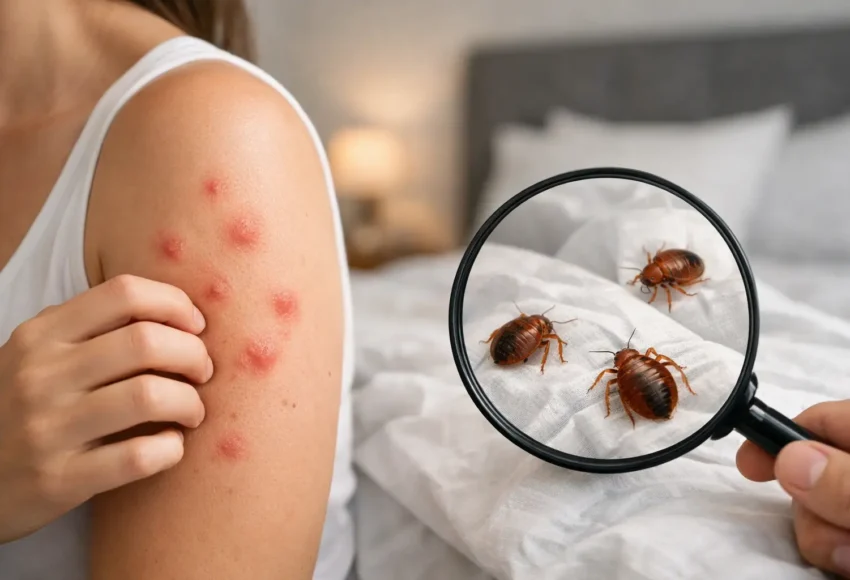
Most bed bug bites appear as small, red, itchy bumps. They often show up in a line, a cluster, or a zigzag pattern on skin that was exposed during sleep, such as the arms, shoulders, neck, legs, or back. Many people describe them as looking a bit like mosquito bites, but smaller and more tightly grouped.
One detail that matters is timing. Bed bugs usually feed at night, so people often notice new bites in the morning. If you go to bed with clear skin and wake up with several itchy welts, that raises suspicion.
That said, not everyone reacts the same way. Some people develop obvious swollen bumps, while others barely react at all. In shared homes, apartments, or hotels, one person may show multiple bites while another has none. That does not mean the bed bugs are only biting one person. It means skin reactions vary.
What bed bug bites usually look like
Bed bug bites are commonly:
- Small, red, raised bumps
- Itchy, sometimes intensely itchy
- Found in lines or clusters
- Located on exposed skin
- More noticeable after sleeping or resting in one spot
A small dark center can appear in some bites, but not always. The surrounding skin may look inflamed if the area has been scratched. In more sensitive people, bites can swell and look more dramatic than the actual feeding site.
Where bed bug bites tend to appear
Bed bugs prefer easy access. They often feed on skin that is not covered tightly by clothing or blankets. Common areas include the forearms, hands, neck, face, ankles, and lower legs. If marks keep appearing under snug clothing, bed bugs become a little less likely and other causes should be considered too.
Bed bug bites vs other bites and skin conditions
This is where many people get stuck. A rash does not confirm bed bugs by itself.
Mosquito bites are often more random and larger. Flea bites usually show up lower on the body, especially around ankles and feet, and are common in homes with pets. Hives can appear and fade quickly, sometimes moving to different spots. Allergic reactions may create broad patches rather than distinct bite marks.
Spider bites are often blamed, but true spider bites are less common than people think. If you have several small bites in a row, bed bugs are more likely than spiders.
The hard truth is this: you cannot identify bed bugs from skin marks alone with total certainty. You need to look at the environment too.
Signs that help confirm bed bug bites
If you want to know how to identify bed bug bites with more confidence, inspect the sleeping area for supporting evidence. Bed bugs leave clues.
Look for tiny rust-colored or dark stains on sheets, pillowcases, or mattresses. These can come from crushed bugs or droppings. You may also find pale shed skins, tiny white eggs, or live bugs hiding in seams, mattress tags, box springs, bed frames, headboards, and nearby furniture.
A bed bug is small, flat, and reddish-brown, roughly the size of an apple seed when mature. Young bed bugs are smaller and lighter in color, so they are easier to miss.
If bites are showing up after sleeping on a couch, in a guest room, or after travel, inspect those areas too. Bed bugs do not stay only on beds. They can hide in upholstered furniture, baseboards, curtains, luggage, and cracks near where people rest.
When the pattern matters more than the bite
A single bite can mean almost anything. Several itchy bumps appearing overnight, in a line or tight group, and repeating over multiple nights is more suggestive of bed bugs. If you also notice spotting on bedding or signs in the mattress seam, the case gets stronger.
Still, there is a trade-off here. Some infestations are early and leave very little evidence. Others are established and easier to confirm. If the bites fit the pattern but you cannot find visible bugs, that does not clear the room.
Why bed bug bites are often missed at first
Bed bugs are good at staying hidden. They feed quickly, usually for a few minutes, then return to narrow cracks and fabric seams. Many people first assume dry skin, stress, or mosquitoes. In busy households or rental properties, that delay is common.
Another reason is inconsistent reaction time. Some bites appear within hours. Others can take days to show. That makes it harder to connect the marks to a specific night or room.
For property managers and business owners, this is especially important. If tenants or guests mention unexplained bites, waiting for obvious infestation signs can make the problem harder and more expensive to contain.
What to do if you think the bites are from bed bugs
Start by avoiding panic and focusing on confirmation. Wash bedding and dry it on high heat. Reduce clutter around the bed so hiding spots are easier to inspect. Check the mattress seams, bed frame joints, and nearby furniture carefully with a flashlight.
Do not move infested items through the home unless they are sealed properly. That can spread the problem into hallways, other bedrooms, or vehicles. Also, be careful with store-bought sprays. Some products kill only on direct contact, and misusing them can push bed bugs deeper into walls and furniture.
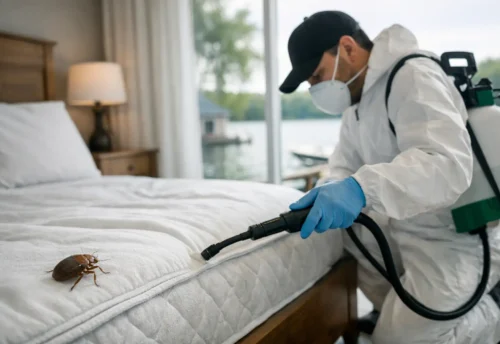
If bites keep appearing, professional inspection is the fastest way to stop guessing. A trained technician can tell the difference between a skin reaction and an active infestation by finding the physical evidence most people miss.
For homeowners and property managers dealing with ongoing signs, fast action matters more than home remedies. Bed bugs reproduce quickly, and a small issue can become a whole-house problem if it is left alone.
When to call for help
You should call for help if you are getting repeated bites, finding stains on bedding, noticing bugs or shed skins, or dealing with complaints in a rental or commercial property. This is especially true if you have already washed linens and inspected the room but the signs keep coming back.
A discreet service matters to many customers for obvious reasons. No one wants attention drawn to a bed bug issue, whether it is in a private home, a multi-unit building, or a business. That is one reason many people choose a local team that can respond quickly and handle treatment safely around families and pets.
If you are in Georgina, Keswick, Sutton, Jackson Point, Mount Albert, Pefferlaw, Bolton, or Caledon, getting the space checked early can save time, stress, and repeat treatment costs. Discount Pest Control handles bed bug issues with fast response and practical treatment plans built for real homes and occupied properties.
How to identify bed bug bites without overreacting
The best approach is balanced. Take the bites seriously, but do not assume every itchy mark is bed bugs. Look at the whole picture: when the bites appear, where they are on the body, whether they show up in lines or clusters, and whether the room shows bed bug evidence.
If you have only one or two random spots and no other signs, keep watch and inspect again. If bites are recurring, especially after sleep, move quickly. Bed bugs are much easier to deal with when caught early.
Itching can make anyone want immediate answers, but clear identification comes from patterns, not panic. The sooner you connect the skin signs with what is happening in the room, the sooner you can stop the problem from growing.
If something feels off in your home, trust that instinct and check it properly. A few small bites can be easy to dismiss, but acting early is often what keeps a stressful problem from becoming a much bigger one.

Leave a Comment