
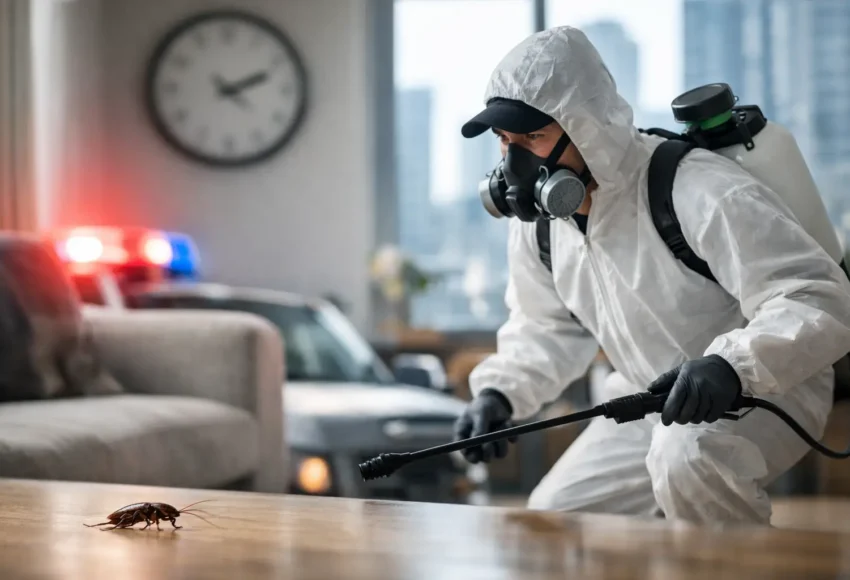
Emergency Pest Control When Time Matters
You usually know the difference between an annoying pest problem and one that cannot wait. A wasp nest over the front door, rats in a restaurant stock room, bed bugs showing up the day before guests arrive, or scratching in the attic at 2 a.m. is not something most people can put off until next week. Emergency pest control is about acting quickly before the problem spreads, becomes more expensive, or puts people and pets at risk.
When pests show up suddenly, panic makes everything feel worse. What most homeowners, landlords, and business owners need in that moment is not a science lesson. They need a clear plan, a fast response, and confidence that the issue can be handled safely and discreetly.
What counts as emergency pest control?
Not every pest sighting is an emergency, but some situations absolutely are. The line usually comes down to risk, speed of spread, and how much disruption the problem is causing.
A single ant in the kitchen is frustrating. A stream of ants in a food prep area is different. One mouse in a garage may not feel urgent to some people. Mice or rats in a daycare, restaurant, apartment kitchen, or behind commercial walls are a much bigger concern because contamination and damage can happen fast.
The most common emergency calls usually involve rodents, bed bugs, wasps, cockroaches, and wildlife. Rodents can chew wires, contaminate surfaces, and multiply quickly. Bed bugs create immediate stress, especially in homes with children, shared living spaces, rental units, or hospitality settings. Wasps become dangerous when nests are close to entrances, decks, rooflines, or areas where people gather. Cockroaches raise health concerns and can hurt a business reputation overnight. Wildlife in attics or wall voids can damage insulation, create odor issues, and keep people awake for days.
Sometimes the emergency is not just the pest itself. It is the timing. If you are managing tenants, preparing for visitors, opening a business in the morning, or trying to keep a pest issue private, waiting is not always realistic.
Why fast emergency pest control matters
The biggest reason to move quickly is simple: pest problems rarely stay the same. They usually get worse.
Rodents do not stop at one entry point. They explore, nest, and return to food and water sources. Wasp nests get larger. Cockroach activity expands into hidden spaces. Bed bugs spread through furniture, clothing, and adjoining rooms. The longer the delay, the more treatment may be needed and the more disruption you deal with.
There is also the safety side. Some pests create direct health risks through bites, stings, droppings, or contamination. Others create indirect risks, like chewed electrical wires, damaged insulation, and stress that affects sleep and daily life. For businesses, especially food service, retail, and property management, there is also the cost of complaints, lost trust, and possible shutdowns.
Fast service does not mean rushed or careless service. It means getting a trained technician on site quickly enough to assess the problem, control the immediate risk, and build a treatment plan that actually solves it.
What to expect during an emergency visit
A good emergency response should feel calm and organized from the first call. You should be able to explain what you are seeing, where the activity is happening, and whether children, pets, tenants, or customers are involved. That information helps prioritize the visit and prepares the technician to arrive with the right tools and treatment options.
Once on site, the first step is usually inspection. Even in urgent situations, guessing helps no one. The technician needs to confirm the pest, identify the extent of the activity, and find the source. In some cases, the immediate goal is removal or knockdown, like treating a wasp nest or trapping an active rodent issue. In others, the first visit focuses on containment, sanitation guidance, access point identification, and a treatment strategy that continues over follow-up visits.
This is where honesty matters. Some emergencies can be resolved very quickly. Others can be controlled right away but need follow-up to fully eliminate the infestation. Bed bugs are a good example. Fast action is essential, but one rushed treatment without a full plan often leads to repeat problems.
The pests that most often need urgent attention
Emergency pest control for rodents
Mice and rats are one of the most common reasons people call for urgent help. If you are hearing movement in walls or ceilings, finding droppings in kitchens, or noticing gnaw marks around food packaging, the issue has likely been building for a while.
Rodent problems tend to feel especially urgent in homes with children and pets, and in businesses where cleanliness matters every day. The right response is not just putting down traps. It is identifying travel routes, nesting areas, and entry points so the problem does not return after the first wave is removed.
Bed bugs and time-sensitive infestations
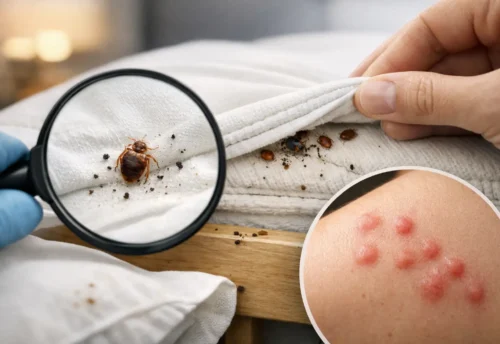
Bed bugs create a different kind of emergency. They are not usually about structural damage or food contamination. They are about stress, sleep disruption, skin reactions, and fast spread between rooms or units.
For landlords, property managers, and homeowners hosting family or guests, bed bugs often feel urgent because every day of delay increases the chance of wider infestation. Quick inspection and treatment planning matter here, but so does discretion. Many people want help without drawing attention to the issue, and that is completely understandable.
Wasps near doors, decks, and work areas
A visible wasp nest is one of the clearest emergency calls because the risk is immediate. If the nest is close to the front entrance, a play area, a loading dock, or an outdoor seating space, people can get stung before they even realize the nest is there.
Trying to remove a nest yourself can make the situation worse, especially if the nest is active, elevated, or tucked into siding, soffits, or rooflines. Fast professional removal is usually the safer move.
Cockroaches and commercial urgency
Cockroaches often trigger emergency calls in apartments, restaurants, offices, and multi-unit buildings. Part of the urgency is health related, but part of it is practical. Roaches reproduce quickly and are very good at hiding.
If you see them during the day, there is often more activity behind walls, under appliances, or in nearby units. Fast treatment helps limit spread, but long-term control may also depend on sanitation, moisture reduction, and cooperation across the property.
Discreet service matters more than people admit
A lot of customers are not only worried about the pests. They are worried about who might notice.
That is true for homeowners who do not want neighbors talking, landlords trying to protect tenant relationships, and business owners who cannot afford public embarrassment. Discreet service, including unmarked vehicles when available, is not just a nice extra. For many people, it removes one more barrier to getting help quickly.
The same goes for communication. Clear, respectful service matters during stressful calls. People want direct answers, not pressure and not confusion.
Safe treatment is part of the emergency response
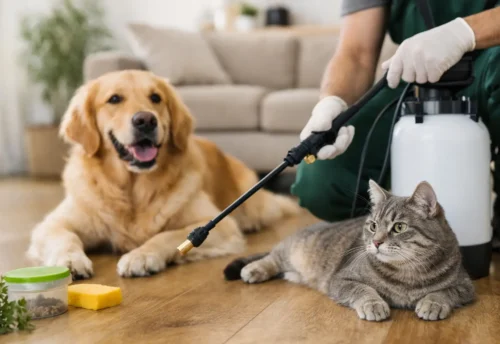
When people hear the word emergency, they sometimes assume the treatment will be harsh or unsafe. That is not necessarily true. In many cases, the best urgent response is targeted, controlled, and chosen with children, pets, and occupied spaces in mind.
It depends on the pest, the severity, and the layout of the property. A family home, a restaurant kitchen, and a rental building hallway all require a different approach. Eco-friendly options can make sense in many situations, but the real priority is using the right treatment safely and effectively.
A trustworthy provider should explain what is being used, what precautions matter, and whether follow-up is needed. Quick service should still come with clear instructions.
When to call now instead of waiting
If anyone is at risk of being bitten or stung, call right away. If pests are contaminating food areas, disturbing sleep, damaging the building, or spreading into multiple rooms or units, call right away. If you run a business and the issue could affect customers, staff, or inspections, do not wait and hope it settles down on its own.
The same is true if you have already tried store-bought products and the problem is still active. That usually means the source has not been addressed. DIY products can sometimes help with minor activity, but in urgent situations they often delay the real fix.
For homeowners and businesses in places like Georgina, Keswick, Sutton, Pefferlaw, Mount Albert, Bolton, and Caledon, fast local service can make a real difference because response time matters when the problem is active right now.
If you are dealing with an urgent infestation, the best next step is simple: get a trained professional involved before a stressful situation turns into a larger one. Help is most effective when it starts early.
Leave a Comment