
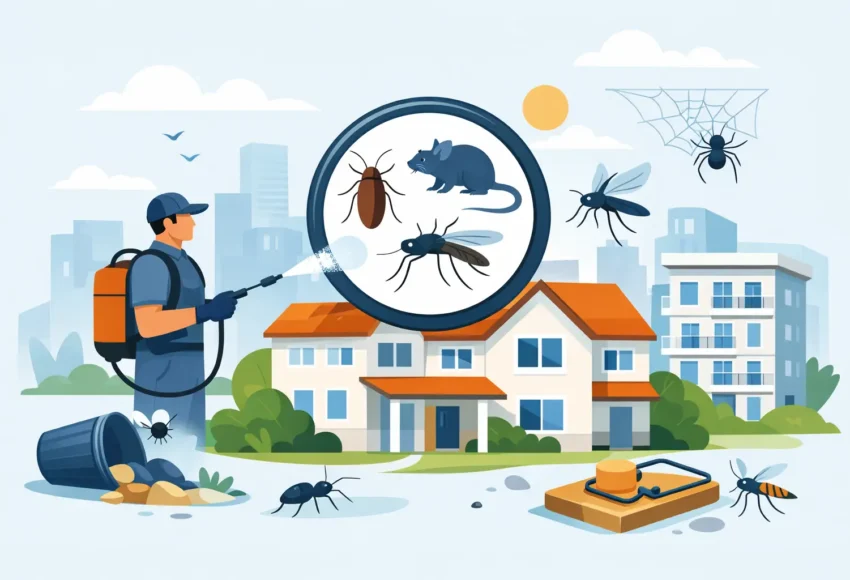
Pest Control for Rental Properties That Works
A single tenant complaint about mice in the kitchen or bed bugs in a bedroom can turn into a bigger problem fast. Pest control for rental properties is not just about getting rid of bugs or rodents once – it is about protecting tenants, avoiding repeat issues, and keeping the property in good shape without delays or drama.
Landlords and property managers usually feel pressure from both sides. Tenants want quick action, and they should. At the same time, owners need solutions that are affordable, discreet, and safe for people and pets. The right approach handles the infestation now while reducing the chance of another call next month.
Why pest control for rental properties needs a different approach
Rental units are different from owner-occupied homes because responsibility is shared. Tenants live with the problem, but landlords often have to arrange service, approve treatment, and manage follow-up. In multi-unit buildings, one untreated issue can also spread from one suite to another.
That changes the job. A technician is not only treating pests. They are helping protect the relationship between landlord and tenant, limiting damage to the unit, and reducing the risk of complaints, bad reviews, or vacancy problems.
Speed matters here. If mice are nesting behind walls, cockroaches are moving between kitchens, or wasps have built near an entryway, waiting usually makes treatment harder and more expensive. Fast response is often the difference between a contained issue and a building-wide headache.
The pests that cause the most trouble in rentals
Some pest problems are more common in rentals because people move in and out, units share walls, and trash or storage areas are used by multiple households. The exact pest depends on the property type, season, and housekeeping conditions, but a few show up again and again.
Rodents
Mice and rats are a major concern in rental properties because they spread quietly. A tenant may only notice droppings under the sink, scratching in the wall, or food packaging that has been chewed. By that point, rodents may already be nesting.
Rodents are not just unpleasant. They contaminate food, damage insulation and wiring, and reproduce quickly. In older homes and duplexes, small foundation gaps or utility openings often give them easy access. In apartment settings, they can move between units if the building has unresolved entry points.
Bed bugs
Bed bugs create some of the most stressful calls landlords receive. They do not necessarily mean a property is dirty, which is why these cases need a calm and professional response. In rentals, bed bugs can be introduced through luggage, secondhand furniture, guests, or neighboring units.
The challenge is that bed bugs are easy to spread and hard to eliminate with store-bought products. Delayed action usually leads to wider treatment and more disruption for everyone involved.
Cockroaches
Cockroaches thrive where food, moisture, and shelter are easy to find. Shared walls, laundry rooms, garbage areas, and plumbing lines can all support an infestation. One tenant may keep a spotless unit and still end up with roaches because the source is next door or below.
This is where professional inspection matters. Surface spraying rarely fixes the actual problem if the infestation is established inside walls, behind appliances, or across multiple units.
Wasps and wildlife
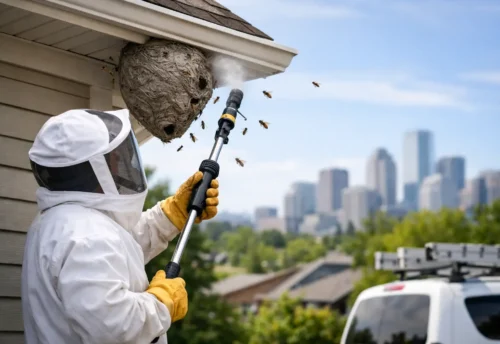
Rental homes, townhomes, and small commercial-residential properties also deal with outdoor pest issues. Wasps near entrances, raccoons in attics, and squirrels in soffits create safety concerns fast. These are not problems to leave for later, especially if tenants have children, allergies, or pets.
Who is responsible – landlord or tenant?
This is where many rental pest situations become tense. In most cases, landlords are responsible for maintaining a livable property and arranging treatment when pests are present. That said, the source of the problem still matters.
If a tenant reports mice because of structural gaps, nesting in walls, or a long-standing building issue, that usually points to a property maintenance problem. If a unit has recurring pest problems tied to garbage buildup, food left out, or refusal to follow treatment instructions, the conversation can be different.
The smartest move is not to argue first. It is to inspect first. Once the cause is clearer, the next steps become easier to explain and document.
What good rental property pest control looks like
The best service plan is practical, not overly complicated. It starts with a clear inspection, identifies the pest correctly, and looks for contributing factors such as entry points, moisture, sanitation issues, or neighboring unit activity.
For rental properties, treatment also needs to fit real-life conditions. Tenants may have children, pets, work schedules, or concerns about privacy. That is why safe treatment options, clear preparation instructions, and discreet service matter so much.
A strong pest control plan usually includes three parts: immediate treatment, prevention work, and follow-up. Immediate treatment addresses the active infestation. Prevention work reduces access to food, water, and shelter. Follow-up confirms the problem is actually resolved rather than temporarily reduced.
That follow-up matters more in rentals than many owners realize. A few days of quiet does not always mean the issue is gone. Rodents can remain hidden, bed bug activity can continue after an incomplete treatment, and cockroaches often return if neighboring spaces are still active.
Pest control for rental properties in multi-unit buildings
Multi-unit rentals require more coordination. If one unit has roaches or bed bugs, treating that unit alone may not be enough. Adjacent units, common areas, trash rooms, and utility access points may also need attention.
This is where landlords and property managers benefit from working with a company that understands building patterns, not just single-room treatments. Partial action can seem cheaper at first, but it often creates repeat service calls and frustrated tenants.
Communication is just as important as treatment. Tenants need to know what to expect, how to prepare, and what steps help prevent reinfestation. When instructions are vague, treatment results suffer.
Why cheap DIY fixes usually cost more
Property owners often try traps, sprays, bait stations, or online remedies before calling a professional. That is understandable. Everyone wants to keep costs under control. But in rentals, DIY pest control often delays the real fix.
A can of spray may kill visible insects without touching the nest, eggs, or source. A few traps may catch mice while the main entry point stays open. Strong-smelling repellents might even push pests deeper into walls or into neighboring units.
The more practical question is not whether a store product can kill a pest. It is whether it can solve the property problem in a way that holds up. For active rentals, especially occupied ones, that answer is often no.
What landlords should do as soon as a tenant reports pests
Respond quickly, even if the complaint seems minor. Ask what was seen, where it was seen, and when it started. Photos help, but they do not replace an inspection.
From there, arrange professional service as soon as possible. Waiting for more evidence usually works against you. If the issue is mice, bed bugs, or cockroaches, early treatment is almost always simpler than delayed treatment.
It also helps to document communication and keep records of service visits. That protects everyone. If treatment requires tenant preparation, give simple written instructions and confirm access ahead of time.
Choosing a pest control company for rentals
Not every pest control company is a good fit for rental properties. You need a team that can respond fast, communicate clearly, and work discreetly around tenants. Safety matters too, especially in occupied homes and family units.
For landlords and property managers in places like Georgina, Keswick, Sutton, Bolton, or Caledon, local experience can make a real difference. Pest patterns, housing types, and seasonal wildlife issues vary by area. A company familiar with those conditions can usually identify the source faster and recommend a treatment plan that fits the property.
Discount Pest Control works with that kind of urgency. When a rental property has mice, bed bugs, wasps, or other pest activity, fast response and clear follow-through are what keep a small issue from turning into a bigger one.
If you manage rental units, the goal is not just to get through the current complaint. It is to make the property easier to live in, easier to manage, and less likely to surprise you with the same problem again.
Leave a Comment