
What Attracts Cockroaches in a House?
You usually do not see the first cockroach when the problem starts. You see the signs around it – a bug running when the kitchen light comes on, droppings inside a cabinet, or a musty odor near a damp area. If you are wondering what attracts cockroaches in a house, the short answer is simple: food, water, shelter, and easy access. The harder part is that even clean homes can offer all four without realizing it.
That is why cockroach problems can feel frustrating and a little embarrassing when they should not. Roaches are survival pests. They look for opportunities, not perfection. A home, rental unit, restaurant, office break room, or basement apartment can all give them what they need if a few conditions line up.
What attracts cockroaches in a house most often
Cockroaches are drawn to places where they can eat, stay hydrated, and hide during the day. Kitchens and bathrooms are the obvious hotspots, but they are not the only ones. Utility rooms, laundry areas, basements, garages, and storage spaces can be just as appealing if moisture and clutter build up.
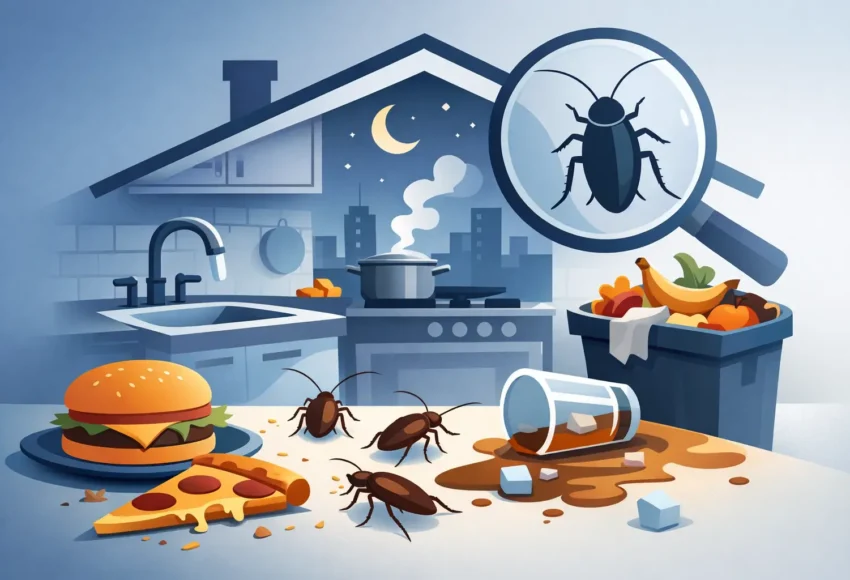
Food is usually the first issue people think about, and for good reason. Roaches eat far more than crumbs on the floor. They are attracted to grease on the side of a stove, food residue in a sink drain, open cereal boxes, pet food left out overnight, and sticky spills under appliances. Even garbage bins with small amounts of food waste can keep them coming back.
Water matters just as much. A leaky pipe under the sink, condensation around plumbing, standing water in a tray under the refrigerator, or a damp basement corner can support a roach population. Some species can go longer without food than without water, which is why moisture problems often make an infestation harder to control.
Shelter is the piece many people miss. Cockroaches like tight, dark spaces where they can stay hidden and undisturbed. That includes gaps behind cabinets, wall voids, cardboard storage, stacks of paper bags, cluttered closets, and spaces around appliances that stay warm. If a home gives them cover, they are more likely to settle in instead of just passing through.
Food sources roaches find fast
Roaches are not picky. They will eat human food, pet food, grease, crumbs, garbage, and even non-food materials when necessary. That is why a kitchen can look mostly clean and still attract activity.
The usual trouble spots are under the stove, under the fridge, inside the toaster area, pantry shelves, and trash storage. Small spills that go unnoticed for a day or two can be enough. So can food packaging that is folded closed but not sealed. In shared buildings or rental properties, one unit with exposed food can also affect nearby units.
Pet owners run into this issue often. A bowl of kibble left out overnight is an open food source. Bird seed, treats, and food stored in torn bags can do the same thing. If roaches are active, feeding pets on a schedule and storing food in sealed containers can make a real difference.
Why moisture makes a home more inviting
Leaks, humidity, and damp areas
If you want to understand what attracts cockroaches in a house, look closely at moisture. Roaches thrive where water is easy to find. A slow plumbing leak may not seem urgent, but to a cockroach it is a reliable water station.
Bathrooms, kitchens, laundry rooms, crawl spaces, and basements are common problem areas. Damp mop heads, wet sponges, clogged drains, and heavy humidity all help create the kind of environment roaches prefer. In older properties, hidden leaks behind walls or under sinks can support activity for a long time before anyone notices.
Why basements and utility areas matter
Basements often get overlooked because they are not used as often as kitchens. But if the area is dark, humid, and packed with storage, it checks several boxes at once. Water heaters, floor drains, foundation cracks, and cardboard boxes make a basement a comfortable place for roaches to hide and breed.
This is especially important in homes and buildings throughout Ontario where seasonal moisture swings can affect lower levels. If a basement feels damp to you, it is even more attractive to pests.
Clutter gives cockroaches safe hiding spots
Roaches prefer to stay out of sight. The more protected spaces they have, the harder they are to spot early and the easier it is for an infestation to grow.
Cardboard is a common issue because it offers both shelter and a material roaches like to stay near. Paper bags, stacks of newspapers, crowded utility closets, and overfilled storage rooms can all give them a place to settle. Clutter also blocks cleaning access, which means crumbs, dust, and moisture can build up underneath.
This does not mean every packed garage or basement will have roaches. It does mean clutter lowers the chances of catching a problem early. In commercial spaces, storage rooms and break areas are often where activity starts quietly before moving outward.
Entry points are part of the problem too
Cracks, gaps, and items brought inside
Sometimes roaches are already living inside. Other times they are getting in from outside, from neighboring units, or through deliveries and secondhand items. Cracks around pipes, gaps under doors, torn screens, and openings near utility lines all create access points.
In apartments, condos, and multi-unit buildings, this matters even more. One unit may be very clean and still have roach activity because pests move through walls, plumbing chases, and shared spaces. That is one reason store-bought sprays often disappoint people. They may kill a few visible roaches but do not solve the hidden access and nesting areas.
Used appliances, cardboard shipments, grocery bags, and furniture can also bring roaches indoors. German cockroaches in particular are known for spreading this way. If activity seems to appear suddenly after a move, delivery, or tenant turnover, that detail matters.
What attracts cockroaches in a house even when it looks clean
This is one of the biggest misconceptions. Roaches do prefer easy food and water, but they do not require a filthy space. A clean home with a plumbing leak, pet food left out at night, and a few hidden cracks can still support them.
That is why people often feel confused when they spot cockroaches in an otherwise well-kept home. The issue may be behind the walls, under appliances, in a neighboring unit, or in places that do not get cleaned often. Cleanliness helps, but it is only part of prevention.
How to make your home less attractive to roaches
Start with the basics and be consistent. Wipe up food residue quickly, especially grease and sugary spills. Store pantry goods and pet food in sealed containers. Take out trash regularly and clean the bins themselves, not just the bagged waste.
Next, reduce moisture. Fix leaking faucets and pipes, dry sinks before bed, and use a dehumidifier in damp areas if needed. Pay attention to basement corners, laundry rooms, and the space under sinks where small leaks can go unnoticed.
Then cut down hiding spots. Break down extra cardboard, organize storage areas, and avoid letting paper clutter pile up. Pull appliances out when possible and clean behind them. Seal cracks and gaps around pipes, baseboards, doors, and windows.
If you are seeing live roaches during the day, finding droppings, or noticing recurring activity after cleaning, the problem may already be established. At that point, fast treatment usually saves time, stress, and money compared with waiting for it to spread.
Professional service is especially helpful in multi-unit housing, restaurants, rental properties, and homes where children or pets are present. A proper inspection can identify where the attraction is coming from, where roaches are nesting, and what needs to be treated versus what needs to be corrected.
If you are in Georgina, Keswick, Sutton, or nearby areas and the problem is not going away, getting help early is the practical move. Roaches rarely leave on their own. The sooner the source is identified, the easier it is to get your space back to normal.
A cockroach problem is stressful, but it is also solvable. The key is not guessing – it is finding what is feeding the problem and shutting that down before a few roaches turn into a much bigger issue.

Leave a Comment