
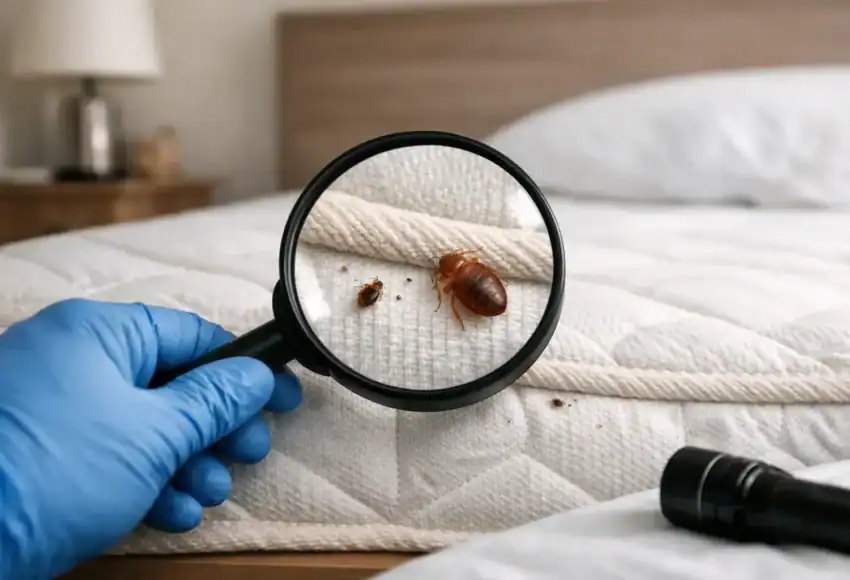
How to Spot Bed Bugs Before an Infestation Spreads
A single unexplained bite can make anyone uneasy. But bites alone do not confirm bed bugs – mosquitoes, fleas, skin irritation, and allergies can look similar. Knowing how to spot bed bugs means looking for several signs together, especially around where people sleep or rest. The sooner you find evidence, the easier it is to limit the spread and arrange effective treatment.
How to Spot Bed Bugs in Your Home
Bed bugs are small, flat insects that feed on blood, usually while people are asleep. Adult bed bugs are reddish-brown, oval-shaped, and about the size of an apple seed. Young bed bugs, called nymphs, are smaller and lighter in color. After feeding, they may look darker, rounder, and easier to notice.
The challenge is that bed bugs are skilled at staying out of sight. They do not live only in mattresses, and a clean home can still get bed bugs. They often arrive through luggage, secondhand furniture, shared laundry areas, visitors’ belongings, or items moved between apartments and units.
Rather than relying on one clue, inspect sleeping areas for a combination of physical signs. The most common evidence includes:
- Small dark brown or black dots on sheets, mattresses, box springs, bed frames, or nearby furniture. These are bed bug droppings and may smear like ink when damp.
- Tiny rust-colored stains on bedding or pillowcases. These can occur when a recently fed bed bug is crushed.
- Pale yellow shed skins, especially in mattress seams, along the headboard, or inside cracks in furniture.
- Tiny pearly white eggs or eggshells, often tucked into narrow seams and protected spaces.
- Live bugs, which may be hiding in groups near the bed rather than crawling openly across the room.
A sweet, musty odor can occur during a heavier infestation, but it is not usually the first sign. If you notice that smell along with bites and spotting, do not wait for the problem to become more obvious.
Check the Bed First, Then the Room
Start with the mattress, but do not stop there. Pull back the sheets and inspect mattress piping, seams, tags, handles, and the area where the mattress meets the box spring. Use a flashlight and move slowly. Bed bugs prefer tight, dark spaces, so they can be missed during a quick glance.
Next, look at the bed frame, headboard, footboard, and screw holes. If the headboard is against the wall, check behind it if you can do so safely. Wooden frames, upholstered headboards, and cracked or damaged furniture offer plenty of hiding places.
Then widen the inspection area. Look inside bedside tables, dresser drawers near the bed, couch seams, recliners, curtain folds, baseboards, picture frames, electrical outlet covers, and loose wallpaper. In apartments, condos, hotels, and multi-unit rentals, bed bugs can travel between rooms or neighboring units through wall gaps and utility openings.
You do not need to pull apart every piece of furniture at the first sign. Focus first on places within several feet of where people sleep or spend long periods sitting. If evidence is found, avoid moving furniture or belongings into another room. That can spread the infestation instead of solving it.
What Bed Bug Bites Usually Look Like
Bed bug bites can appear as small, itchy, red bumps. They may be grouped close together or form a rough line, often on exposed skin such as the arms, shoulders, neck, face, legs, or hands. Some people react strongly, while others have little or no visible reaction at all.
This is why bites are a warning sign, not a diagnosis. A person may be bitten at night but see marks only later in the day. Pets can also be irritated by pests, but bed bugs usually prefer human hosts when people are available.
If bites are severe, swollen, painful, infected, or causing an allergic reaction, seek medical advice. For the home itself, focus on finding physical evidence before assuming the cause. Correct identification matters because flea, cockroach, and carpet beetle issues require different treatment approaches.
Signs Often Mistaken for Bed Bugs
Seeing a small bug near a bed does not automatically mean bed bugs. Carpet beetle larvae may leave shed skins and are sometimes found in bedrooms, but they are hairy and do not bite people. Fleas are smaller, darker, and jump. Spider beetles, booklice, and small pantry pests may also cause concern without being bed bugs.
Dark marks on a mattress can be old stains, dirt, or mold rather than droppings. Bed bug droppings are typically concentrated around hiding areas, such as seams, cracks, and frame joints. A professional inspection can help when the signs are unclear, especially before you throw out furniture or use a treatment that may not address the real pest.
What to Do If You Find Bed Bug Evidence
Do not panic, and do not start carrying bedding, mattresses, or clothing through the house. Bed bugs are stressful, but they can be treated. Early action gives you more options and helps protect other rooms, tenants, customers, or guests.
If possible, take a clear photo or carefully collect a sample in a sealed container for identification. Avoid crushing every bug you see before you can confirm what it is. Then reduce the chance of spreading them. Keep sleeping in the usual bed unless a pest professional advises otherwise, because moving to a couch or guest room can cause bed bugs to follow you and establish new hiding spots.
Wash and dry washable bedding, sleepwear, and nearby clothing using the highest heat the fabric can safely handle. The dryer is especially useful because heat can kill bed bugs and eggs when used correctly. Place clean, dry items in sealed bags or containers until the infestation is addressed. Vacuum seams, cracks, bed frames, and nearby flooring carefully, then seal and dispose of the vacuum contents outside.
Do not rely on foggers, bug bombs, alcohol sprays, or random online remedies. These can push bed bugs deeper into walls and furniture, create safety hazards, and make professional treatment harder. Over-the-counter products may have a limited role in some situations, but they are rarely enough for an established infestation.
When Professional Bed Bug Treatment Makes Sense
Professional help is usually the best choice when you have confirmed bed bugs, repeated bites, signs in more than one room, or a rental or business setting where the issue could spread quickly. Bed bugs can hide in places most people cannot safely inspect or treat, and missed eggs can lead to another outbreak weeks later.
A proper bed bug service should begin with a careful inspection and a clear preparation plan. Treatment may involve targeted products, heat-based methods, steam, mattress encasements, monitoring, and follow-up visits. The right approach depends on the size of the infestation, the type of property, and where bed bugs are hiding.
For homeowners, landlords, and business owners in York Region, fast action also helps prevent the embarrassment and disruption that come with a growing problem. Discount Pest Control provides discreet bed bug extermination with unmarked vehicles and treatment options designed with people and pets in mind. If you manage a rental property, report and document signs promptly so the issue can be assessed before it reaches additional units.
A Quick Inspection After Travel or Buying Furniture
Bed bugs often enter homes unnoticed after travel or through used items. After staying in a hotel, rental, or guest space, inspect luggage seams before bringing bags into bedrooms. Keep suitcases off beds and upholstered furniture while traveling when possible. At home, unpack directly into the laundry area and dry travel clothing on high heat if the fabrics allow.
Before buying a used mattress, couch, bed frame, or upholstered chair, inspect seams, cracks, undersides, and joints with a flashlight. A bargain is not a bargain if it brings an infestation into your home. Hard furniture can sometimes be inspected and cleaned more easily, but upholstered and heavily damaged items carry more uncertainty.
Finding a few suspicious marks does not always mean bed bugs, but waiting for the signs to become undeniable is rarely a good strategy. Check the sleeping area carefully, keep evidence if you can, and get a prompt inspection when the clues add up. A calm, early response can keep one hidden problem from taking over the places where you should feel most comfortable.


Leave a Comment