
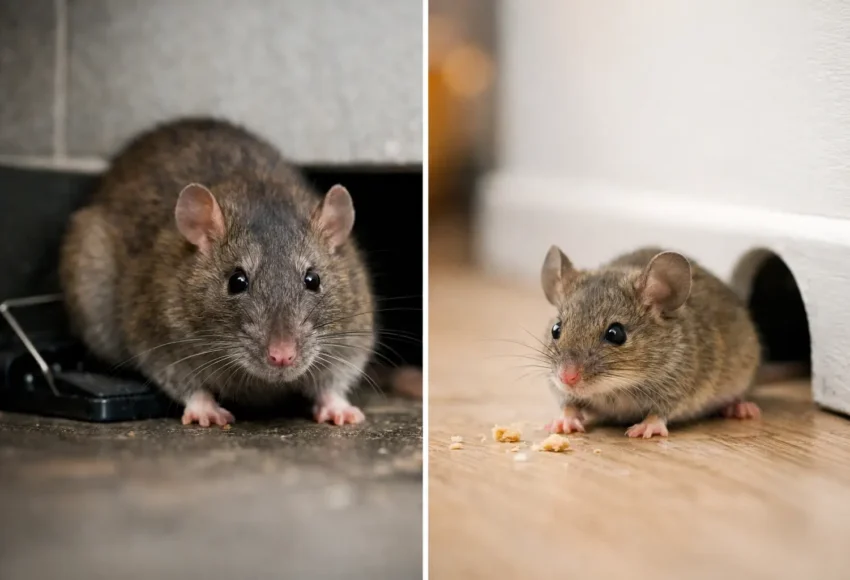
Rat Control Versus Mouse Control: Key Differences
A scratching sound above the ceiling, a torn food bag in the pantry, or small droppings behind the stove can make any property owner worry. Rat control versus mouse control is not a matter of using the same trap in a different size. These rodents behave differently, enter buildings through different gaps, and create different levels of damage. Getting the identification right helps stop the problem faster and reduces the chance of a repeat infestation.
For homeowners, landlords, restaurants, and small businesses, the goal is straightforward: remove the rodents, protect people and pets, and close the routes that allowed them inside. A quick response matters because rodents reproduce quickly and can turn a small sighting into an ongoing problem.
Rat Control Versus Mouse Control Starts With the Signs
Mice are small, curious, and surprisingly good at slipping into tight areas. A mouse can fit through an opening about the width of a pencil. They commonly nest in wall voids, cabinets, storage rooms, basements, and behind appliances where warmth and food are close by. Their droppings are small, dark, and pointed at the ends, usually around the size of a grain of rice.
Rats need more room than mice, but they are stronger, more cautious, and more destructive. They may enter through gaps near foundations, utility lines, garage doors, damaged vents, or sewer-related openings. Rat droppings are larger and more blunt at the ends. You may also notice greasy rub marks along baseboards or walls, gnaw marks on wood and wiring, disturbed garbage, or burrows near the exterior of the building.
Sounds can provide a clue, but they are not enough on their own. Mice often make light scratching or scurrying sounds, especially at night. Rats can sound heavier in walls, ceilings, and crawl spaces. A professional inspection is the safest way to confirm the species, find active areas, and identify how the rodents are getting in.
Why Rats and Mice Need Different Treatment Plans
Mouse control often focuses on many small opportunities. Because mice can travel through narrow gaps, effective treatment includes inspecting cabinets, plumbing penetrations, door sweeps, attic vents, utility openings, and cracks around the foundation. One missed opening can allow new mice to enter after the original activity has been reduced.
Mice are also social and breed rapidly. Seeing one mouse can mean there are others nearby, especially when there are droppings, nesting material, or food damage. Targeted trapping and monitoring are typically placed along walls, behind appliances, and in protected areas where mice naturally travel. Placement matters more than simply putting a trap in the middle of a room.
Rat control usually requires a more cautious approach. Rats may avoid unfamiliar objects and can become wary after a disturbance. They also have stronger teeth and can cause more serious property damage. A rat treatment plan may need exterior bait stations where appropriate, carefully positioned traps, removal of food and shelter sources, and more substantial exclusion work around the building.
The difference is especially important for commercial properties. A mouse issue in a break room or storage area may require detailed indoor monitoring and sanitation improvements. Rat activity around dumpsters, loading areas, sheds, or a building perimeter often requires exterior-focused control combined with structural repairs. In both cases, a one-time visit without follow-up can leave the conditions that caused the infestation unchanged.
The Risks Go Beyond an Unpleasant Sighting
Both rats and mice can contaminate food, food-preparation surfaces, and stored products with droppings and urine. They may carry parasites and can spread bacteria through contaminated areas. For families, this creates added concern around kitchens, pantries, pet food, children’s play areas, and storage spaces.
Rodents can also damage the building itself. Mice may chew insulation, cardboard, fabric, and wiring. Rats can damage similar materials on a larger scale, including pipes, wood, and electrical components. Chewed wiring is not just expensive to repair. It can create a fire risk.
For rental properties and businesses, rodents can quickly become a trust issue. Tenants may worry that the problem will return. Customers or staff who see a rat near a garbage area or a mouse in a workplace may question the property’s cleanliness. Prompt, discreet treatment helps protect both the space and the people who rely on it.
What You Can Do While Waiting for Service
There are practical steps that can reduce rodent activity, but they do not replace a proper inspection and treatment plan. Start by securing food in hard containers, cleaning crumbs and spills, and avoiding overnight pet food where possible. Garbage should have tight-fitting lids, and outdoor bins should be kept away from doors and exterior walls when space allows.
Look for obvious access points, but avoid sealing an opening if you believe rodents are still actively using it. Closing a gap too early can trap rodents inside walls or push them into another part of the property. A technician can help determine which openings should be sealed immediately and which should be addressed after active control has started.
Avoid placing poison products loosely indoors, especially in homes with children or pets. Improper placement can create safety concerns and may lead to rodents dying in inaccessible areas such as walls or ceilings. Store-bought traps can help with a very minor mouse problem, but they often fall short when activity is established, the entry points are unknown, or rats are involved.
If you find droppings, do not sweep or vacuum them dry. Ventilate the area if possible, wear gloves, and use a disinfectant to wet the droppings before wiping them up with disposable paper towels. Wash your hands thoroughly afterward. This reduces the chance of stirring contaminated dust into the air.
When Professional Rodent Control Is the Better Choice
Call for professional help when you see a rat, find repeated droppings, hear activity in walls or ceilings, discover chewed wiring, or notice new signs after trying to handle the issue yourself. Immediate service is also a smart choice for restaurants, rental units, childcare settings, and businesses where a rodent sighting can affect operations.
A dependable rodent service should begin with an inspection rather than a guess. The technician should identify whether the activity points to rats, mice, or both, locate likely nesting and travel areas, and explain the recommended treatment. The best plans combine removal, monitoring, sanitation guidance, and exclusion. Removing rodents without correcting access points can leave the door open for the next infestation.
For properties in Georgina, Keswick, Sutton, Jackson Point, Mount Albert, Pefferlaw, Bolton, and Caledon, local conditions can also affect rodent activity. Cooler weather often drives rodents indoors, while garages, sheds, crawl spaces, and properties near fields or water can create extra access opportunities. Discount Pest Control provides fast, discreet rodent treatment with options designed to be safe around families and pets when used as directed.
Prevention Is What Keeps the Problem From Returning
Rodent prevention is not about making a home perfect. It is about making it harder for rats and mice to find food, shelter, and an easy route indoors. Keep vegetation trimmed back from the foundation, reduce clutter in garages and storage areas, repair damaged screens, and inspect doors for gaps along the bottom and sides.
Pay special attention to areas where pipes, cables, and vents enter the building. These small details are among the most common entry routes for mice. For rats, check larger gaps around foundations, damaged exterior materials, and areas near garbage storage. If you live in a multi-unit property, prevention may also require cooperation between units, since rodents can move through shared walls, utility spaces, and hallways.
You do not need to wait until the scratching gets louder or the droppings multiply. A fast inspection can give you clear answers, a treatment plan that fits the rodent involved, and the reassurance that your property is being protected the right way.


Leave a Comment