
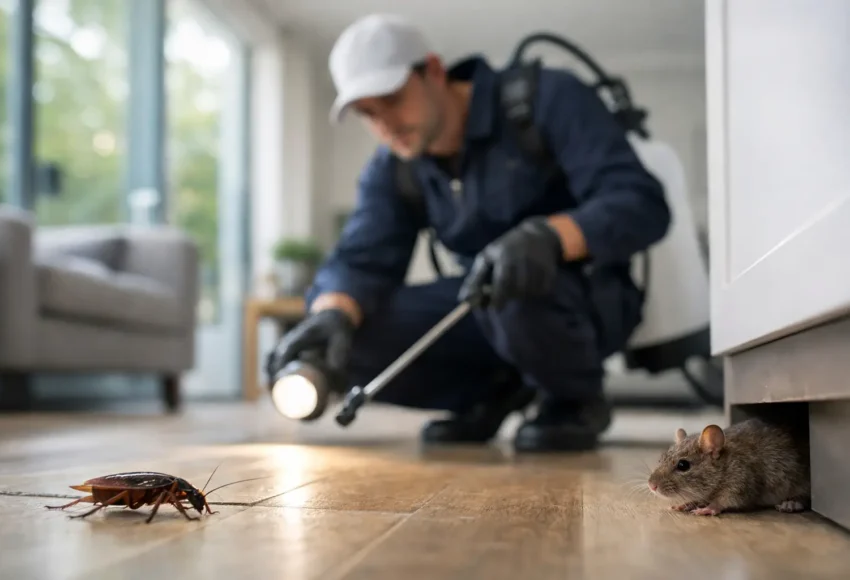
A Guide to Emergency Pest Response at Home
A wasp nest over the front door, rats in a restaurant storage room, or bed bugs found before guests arrive can turn a normal day into a stressful emergency. This guide to emergency pest response helps you take control of the first few minutes, protect the people around you, and get the right help without making the problem worse.
The goal is not to solve every infestation yourself. In many urgent situations, the safest move is to contain the area, avoid risky shortcuts, and arrange professional treatment as soon as possible. Fast action can reduce bites, contamination, property damage, and the chance that pests spread to other rooms or units.
What Counts as a Pest Emergency?
Not every spider in a basement or ant near a window needs immediate service. A pest issue becomes an emergency when it creates a direct risk to health, safety, food, business operations, or the structure of the property.
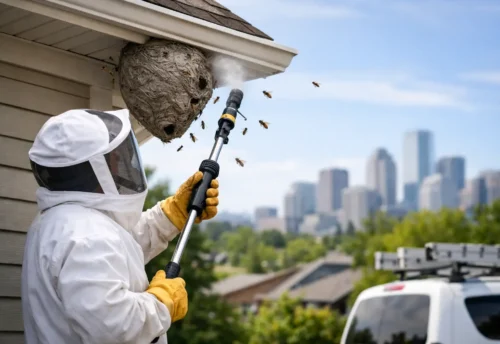
Stinging insects are a clear example. A wasp nest near an entryway, playground, patio, or work area can put children, visitors, pets, and staff at risk, especially if someone has a severe allergy. Do not spray, hit, cover, or knock down an active nest. Wasps may swarm when disturbed, and a nest inside a wall can become harder to remove if insects find another way into the building.
Rodents also require fast attention when they are seen indoors, especially around kitchens, food storage, utility rooms, or bedrooms. Mice and rats can contaminate surfaces and food, chew wires, damage insulation, and multiply quickly. One sighting does not always show the full scope of the problem.
Bed bugs are urgent for a different reason. They do not spread disease in the same way rodents can, but they can spread through bedrooms, furniture, laundry, shared walls, and personal belongings. For landlords, hotels, short-term rentals, and families with visitors, acting quickly can prevent a difficult and costly infestation from expanding.
Other situations that deserve immediate attention include cockroaches in food-service areas, a raccoon trapped inside a building, large numbers of ants near electrical equipment, or an unexplained foul odor that could point to a dead animal in a wall or ceiling.
Your First 30 Minutes: Protect, Contain, Document
When you spot a serious pest issue, take a breath and focus on safety before treatment. Panic often leads people to use too much store-bought pesticide, block an animal inside a dangerous area, or move infested belongings through the home. Those steps can spread the issue or create a new hazard.
Start by moving children, pets, customers, and staff away from the affected area. Close doors where possible, but do not seal vents, exits, or animal entry points without knowing whether pests are trapped inside. If there is a wasp nest near a door, use a different entrance until it is removed. If rodents are in a kitchen or pantry, stop food preparation there and keep people out until surfaces can be properly cleaned.
Then document what you see. Take clear photos or short videos from a safe distance. Note where the pest was found, when it appeared, how many you saw, and whether there are signs such as droppings, gnaw marks, shed skins, bites, nests, odors, or noises in walls. This information helps a pest control professional assess urgency and arrive prepared.
For an active emergency, avoid these common mistakes:
- Do not mix pesticides, bleach, ammonia, or other chemicals.
- Do not use foggers or bug bombs indoors unless specifically directed by a licensed professional.
- Do not move mattresses, upholstered furniture, or loose belongings from a room with suspected bed bugs.
- Do not handle wildlife, corner an animal, or try to remove a wasp nest yourself.
- Do not vacuum rodent droppings while dry, as this can stir contaminated dust into the air.
If someone is having trouble breathing, has facial or throat swelling after a sting, has been bitten badly, or may have been exposed to a dangerous animal, seek emergency medical help immediately. Pest control handles the source of the problem, but medical emergencies need medical care first.
Emergency Pest Response by Pest Type
Wasps and other stinging insects
Keep your distance and watch the flight path from a safe location. This can help identify the nest area without provoking the insects. Avoid mowing, trimming, or using loud equipment near the nest. At night, wasps may be less active, but that does not make DIY nest removal safe.
A professional removal service can assess whether the nest is exposed, in the ground, inside a wall, or near an entrance. Treatment methods depend on the species, nest location, and level of activity. The priority is safe removal with minimal disruption to your household or business.
Mice and rats
Remove accessible food sources by sealing food in hard containers and clearing crumbs, pet food, and garbage. Do not leave food out overnight. If you find droppings, ventilate the area, wear gloves, and dampen the droppings with an appropriate disinfectant before carefully wiping them up. Never sweep or vacuum dry droppings.
Avoid relying only on a few traps if you are seeing rodents regularly. Traps can help with limited activity, but recurring sightings often mean there are entry points, nesting areas, or a larger population that needs to be addressed. A complete response includes removal, exclusion, sanitation guidance, and follow-up monitoring.
Bed bugs
If you suspect bed bugs, do not throw out your mattress or drag furniture into the hallway, garage, or another bedroom. That can spread bugs to new areas and make treatment more complicated. Keep the room in use only as directed, limit movement of personal items, and place recently used clothing in sealed bags until it can be handled properly.
Take photos of any insects, dark spotting, shed skins, or bites if possible. Bed bug bites alone are not enough to confirm an infestation, since many skin conditions can look similar. A professional inspection gives you a clearer answer and a treatment plan that fits the property.
Cockroaches and food-area pests
For restaurants, offices with kitchens, rental units, and homes, cockroaches require fast action because they can contaminate food and spread through cracks, appliances, drains, and shared building spaces. Remove exposed food, clean spills, empty garbage, and stop using any heavily affected preparation area.
Do not spray random chemicals around food, dishes, or prep surfaces. A targeted treatment plan is safer and more effective than heavy over-the-counter spraying, which can push cockroaches deeper into walls and cabinets.
Wildlife indoors
A raccoon, squirrel, bat, or other wild animal inside a home or business needs calm, careful handling. Keep people and pets away. If you can safely isolate the animal by closing an interior door, do so without approaching it. Do not attempt to grab, feed, trap, or force it outside.
Wildlife removal requires a different approach than insect control. The animal must be removed humanely, and the entry point needs attention afterward. Otherwise, another animal may return through the same opening.
When a Fast Professional Response Makes the Difference
Emergency pest service is especially valuable when the problem is active, visible, or likely to spread. That includes a nest near a busy entrance, rodents in a commercial property, bed bugs in a multi-unit building, or pests disrupting a family with young children or pets.
For property managers, early communication matters. Document the complaint, advise tenants not to move infested items through common areas, and arrange an inspection quickly. Waiting can create more affected units, more tenant stress, and a more expensive treatment process.
For business owners, protect customers and staff without creating unnecessary alarm. Restrict access to the affected area, remove food or products that may be contaminated, and get professional guidance before reopening that section. Discreet service can be particularly helpful when a visible pest issue could affect your reputation.
Discount Pest Control provides fast-response pest and wildlife services for homeowners and businesses in York Region communities, including Georgina, Keswick, Sutton, Bolton, and Caledon. Ask about treatment options that consider children, pets, sensitive spaces, and the need for discreet service.
What to Tell the Pest Control Team
A clear call can speed up the response. Explain the pest you saw, where it is located, how long the problem has been happening, and whether anyone has been bitten, stung, or exposed to droppings. Mention if the property is a home, apartment, restaurant, office, rental unit, or other commercial space.
Also share what you have already done. Tell the technician about traps, sprays, cleaning products, sealed rooms, moved furniture, or any attempts to block entry points. Honest details help prevent unsafe chemical combinations and allow the team to choose the right treatment from the start.
After the Immediate Problem Is Controlled
Professional treatment is the turning point, not always the finish line. Follow the preparation and aftercare instructions you receive. Depending on the pest, that may mean laundering items, reducing clutter, keeping food sealed, repairing gaps around pipes, trimming vegetation away from the building, or scheduling a follow-up visit.
The right response is fast, but it should also be thoughtful. When you protect people first, avoid spreading pests, and call for help early, you give your home or business the best chance of returning to normal quickly and safely.
Leave a Comment