
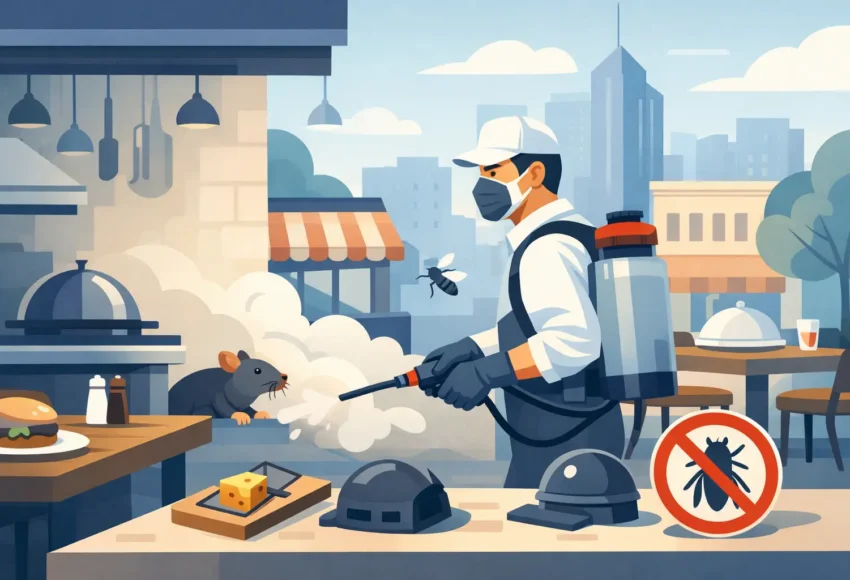
Commercial Pest Control for Restaurants
A single mouse sighting in a dining room can undo years of hard work. For restaurant owners and managers, commercial pest control for restaurants is not just about getting rid of bugs or rodents – it is about protecting food, passing inspections, keeping staff safe, and avoiding the kind of customer complaint that spreads fast.
Restaurants deal with constant pest pressure because they give pests exactly what they want: food, water, warmth, and hiding places. Even a clean kitchen can develop a problem if deliveries bring pests in, drains stay damp, dumpsters are too close to the building, or a back door is left open during a busy shift. That is why restaurant pest control needs to be proactive, fast, and handled discreetly.
Why commercial pest control for restaurants matters so much
A pest issue in a restaurant is different from a pest issue in many other businesses. In a retail store, pests are serious. In a restaurant, they can quickly become a health code issue, a staff morale problem, and a reputation problem all at once.
Rodents contaminate food prep areas with droppings and urine. Cockroaches spread bacteria and tend to hide where heat and moisture are present, including kitchens, appliance motors, cracks behind sinks, and floor drains. Flies move from waste to food surfaces in a matter of seconds. Wasps create a different kind of risk, especially around patios, entrances, and garbage areas where guests and staff can get stung.
The challenge is that pests do not wait for a convenient time. They show up during prep, service, inspections, or after close when damage is already happening out of sight. Fast response matters, but so does having a plan that prevents the next issue.
The pests restaurants deal with most
Most restaurant infestations are not random. They usually follow predictable patterns tied to moisture, food storage, waste handling, and building access points.
Rodents
Mice and rats are among the most damaging pests in food service spaces. They chew wiring, contaminate dry goods, and squeeze through very small openings near utility lines, doors, and foundations. A restaurant may notice droppings first, but by then the activity is usually established. Commercial rodent control works best when exclusion, trapping, sanitation guidance, and follow-up are combined. If rodents are active in storage rooms, kitchens, or dumpster areas, the problem needs immediate attention.
Cockroaches
Roaches are one of the biggest concerns in restaurant environments because they are hard to spot early and harder to eliminate with store-bought products. They hide during the day and spread quickly through wall voids, under equipment, and around plumbing. Spraying what is visible rarely solves the full problem. A proper treatment plan targets nesting areas and includes monitoring so activity is not missed between visits.
Flies
Drain flies, fruit flies, and house flies can all become major frustrations in a restaurant. The source is often organic buildup, standing moisture, or garbage handling issues. Flies may seem minor compared to rodents or roaches, but customers notice them immediately. In front-of-house spaces, that matters.
Wasps and stinging insects
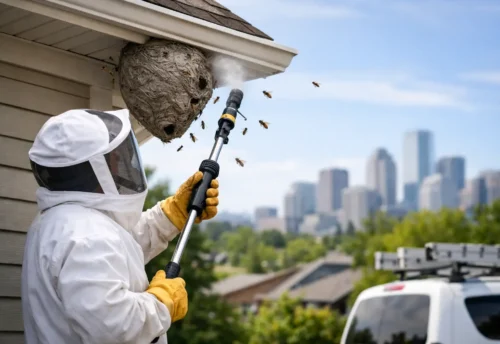
Outdoor dining areas, loading doors, and waste stations often attract wasps. Late summer is usually the worst period, but nests can become a problem anytime conditions are right. Restaurants with patios need to treat wasp activity seriously because one aggressive nest near guests can create a safety issue fast.
What good restaurant pest control actually looks like
The best commercial pest control for restaurants is not built around one visit. It is built around inspection, targeted treatment, prevention, and documentation. That matters because pests return when the conditions that attracted them stay in place.
A proper service starts with a full assessment of the kitchen, food storage, dining areas, washrooms, utility spaces, and exterior trouble spots. Entry points need to be identified. Moisture issues need to be noted. Staff habits, cleaning routines, and delivery procedures may also need review because pest activity often follows daily patterns.
Treatment should fit the environment. Restaurants need solutions that are effective but also safe for food-handling spaces, staff, and guests when used properly. In many cases, eco-friendly options are a smart fit, especially when the goal is to minimize disruption while addressing the infestation thoroughly.
Discretion matters too. No restaurant owner wants a visible pest control situation during service hours. Unmarked vehicles and flexible scheduling can make a real difference, especially for businesses that need help without drawing attention.
Warning signs your restaurant needs service now
Some signs are obvious. Others are easy to dismiss until the problem gets worse.
You should act quickly if staff are seeing droppings, gnaw marks, grease trails, shed insect skins, egg cases, live roaches, or repeated fly activity near prep and storage areas. Scratching sounds in walls, bad odors near hidden voids, or wasp traffic around exterior doors also point to an active issue.
It is also worth paying attention to what happens after closing. Many restaurant pests are nocturnal. If activity seems low during business hours, that does not mean the building is clear.
One of the biggest mistakes restaurant operators make is waiting until a pest is seen by a customer. By that point, the cost is not just treatment. It may involve lost trust, bad reviews, food waste, and stress for the whole team.
Prevention is where restaurants save money
Emergency service is important, but prevention is what reduces repeat problems. This is where commercial pest control for restaurants becomes a practical business decision, not just a reaction.
Small changes often help a lot. Door sweeps, sealing gaps around pipes, fixing leaking faucets, cleaning under equipment, rotating stock properly, and keeping dumpsters managed can all lower pest pressure. Still, prevention has limits if there is already an active infestation inside walls, drains, or storage zones. That is why regular inspections matter.
Every restaurant is different. A small takeout shop has different pressure points than a full-service restaurant with a bar and patio. Older buildings may have more entry points. High-volume kitchens may struggle more with moisture and grease buildup. A good pest control plan takes those differences into account instead of using the same approach everywhere.
Choosing a provider for commercial pest control for restaurants
Restaurants need a pest control company that understands urgency. If service is slow, the problem has more time to spread. If treatment is too generic, the issue may come back. If the company is careless about visibility or scheduling, your business pays for that too.
Look for a provider that offers fast response, clear communication, practical recommendations, and follow-up service when needed. It also helps when the company has experience with the pests that commonly affect food businesses, especially rodents, roaches, and wasps.
For restaurants in Ontario communities such as Georgina, Keswick, Sutton, Pefferlaw, Mount Albert, Bolton, and Caledon, local response time can make a real difference when a problem needs to be handled before the next service period. Discount Pest Control focuses on fast, discreet service with safe treatment options that help business owners act quickly without adding more stress to the situation.
What restaurant owners can do between visits
Pest control works best when management and service teams are on the same page. Staff do not need to become pest experts, but they should know what to report and how daily habits affect pest activity.
Keep food sealed, clean spills quickly, avoid leaving standing water overnight, and make sure garbage areas are cleaned as consistently as the kitchen itself. If deliveries come in cardboard, move contents to clean storage when possible because pests often travel in packaging. If staff notice even minor signs, report them early. Small warnings are easier to deal with than full infestations.
That said, restaurants should not rely on retail sprays or quick fixes. Those products may scatter pests into new hiding spots or create a false sense of control. In food service spaces, a targeted professional approach is safer and more effective.
The real goal is confidence
Restaurant owners already manage staffing, inventory, customer service, and compliance. Pest control should not become another daily source of worry. The goal is simple: a clean, protected space where your team can work confidently and your customers can eat without concern.
If pests are active, act fast. If you are not sure, get the building checked before a small issue becomes a public one. The right help gives you more than treatment – it gives you room to focus on running the business.
Pingback: Rat Infestation Removal That Stops Rats for Good - Pest Control Ontario Exterminators